
Logistics Insights & News — G&B International Logistics

Logistics & Supply Chain Blog

Stay current with expert perspectives on global freight forwarding, ocean & air cargo trends, and US customs strategies.

Explore Services
Global logistics management — G&B International Logistics

Global Trade Trends

In-depth analysis of warehousing solutions, e-commerce order fulfillment, and intermodal transport optimizations.

Learn More
Ocean cargo shipping — G&B International Logistics

Customs Clearance Updates

Essential guides on compliance, US CBP regulations, and efficient ocean/air import-export operations.

Get Started
0%

Intermodal Transportation Services connect rail, road, ocean, air, and inland waterways within one coordinated freight journey. Instead of unloading the cargo at every transfer, operators move sealed containers between compatible modes. A truck may collect a container from a factory, rail may carry it across the country, and a vessel may complete the overseas leg. The process looks simple from outside. It is not.

Transport geographer Dr. Jean-Paul Rodrigue explains, “Intermodal transport is the movement of goods in one and the same loading unit or vehicle by successive modes of transport without handling the goods themselves when changing modes.” This principle shapes modern supply chains. It can reduce highway pressure, improve fuel efficiency, and support more predictable long-distance deliveries. Yet performance depends on schedules, terminals, equipment, weather, and accurate documentation.

This guide examines the top 10 types of Intermodal Transportation Services, including truck-rail, rail-sea, road-sea, air-road, barge-rail, and other practical combinations. Each model serves different cargo volumes, distances, deadlines, and infrastructure conditions. A refrigerated container needs different planning from construction materials. A port delay can also affect every following connection.

There are no perfect routes.

The strongest service balances cost, speed, reliability, cargo protection, and environmental goals. However, rankings can change by region and industry. This overview therefore offers a practical starting point, not a universal answer. Real experience still matters. Careful route analysis remains essential before selecting an intermodal solution.
Top 10 Types of Intermodal Transportation Services

Definition and Core Principles of Intermodal Transportation

Intermodal transportation moves freight through two or more transport modes under one coordinated plan. A sealed container may travel by truck, rail, inland waterway, and ocean before reaching its destination. The cargo stays inside the same loading unit during transfers. This reduces handling, damage exposure, and repeated loading work. The core principle is simple: use each mode where it performs best.

Trucks provide flexible pickup and delivery. Rail supports long inland distances with steady capacity. Ships handle large international volumes efficiently. Barges suit heavy freight on connected waterways. Air transport serves urgent, lightweight shipments. Pipelines move suitable liquids and gases. Warehouses, terminals, and cross-docking sites connect these services. Good coordination depends on accurate schedules, compatible equipment, clear documents, and visible shipment data. A reliable plan also checks transfer time, route risk, emissions, and final-mile access.

Timing matters greatly. A ten-minute delay at a terminal can disrupt an entire connection. In practice, planners compare cost with service reliability rather than choosing the cheapest route. The lowest rate may create storage fees or missed delivery windows. The model is not flawless. Weather, congestion, equipment shortages, and poor data can weaken performance. Sometimes, a shorter route needs more transfers and becomes less dependable. Careful teams build backup plans, inspect container condition, and review actual delivery results. Small operational details often decide whether intermodal transport feels smooth or frustrating.

The Main Modes Used in Intermodal Freight Networks

Top 10 Types of Intermodal Transportation Services

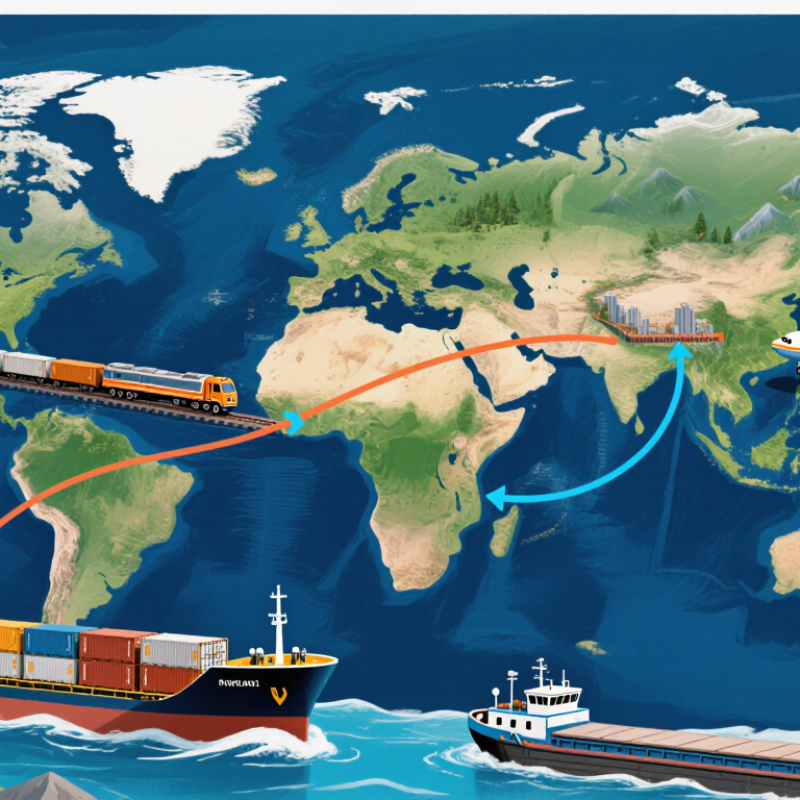
The main modes in intermodal freight networks are ocean, rail, road, air, inland waterway, and pipeline transport. These modes create ten common service patterns, including ocean-road, ocean-rail, rail-road, road-air, and barge-rail combinations. Each option balances speed, cost, capacity, and handling risk differently.

Ocean transport remains the network’s heavy foundation. UNCTAD’s Review of Maritime Transport reports that ships carry over 80% of global merchandise trade by volume. Rail then moves containers across long inland corridors with lower fuel use than trucking. Road services handle first-mile and final-mile delivery, where appointment times and loading access often decide performance. Inland waterways suit dense, predictable cargo flows. Air freight serves urgent, high-value shipments, but its cost can rise sharply. Pipelines remain specialized for liquid and gaseous materials.

↗ Routing details matter. A container may leave a factory by truck, transfer to rail, cross an ocean, and finish by local truck. The fewer unnecessary transfers, the better. Usually.

The International Transport Forum’s Transport Outlook projects freight demand could more than double by 2050 under current policies. That pressure makes mode selection increasingly important. Yet reports often measure transit time, not gate congestion or damage claims. My operational experience suggests the fastest theoretical route may fail during a rainy terminal shift. Shippers should compare published data with lane-level records, exception frequency, and actual handoff discipline. The gap deserves attention.

Ten Common Types of Intermodal Transportation Services

Top 10 Types of Intermodal Transportation Services

Intermodal transportation combines two or more transport modes within one coordinated shipment. The ten common types include rail-road, road-rail, truck-ship, ship-truck, rail-ship, ship-rail, road-air, air-road, barge-rail, and barge-road services. These combinations move containers between terminals, ports, distribution centers, and customer facilities. Rail supports long inland distances, while trucks provide flexible local delivery. Ships and barges handle heavy international or regional cargo. Air-road services fit urgent, lightweight shipments. The best option depends on distance, cargo weight, timing, handling needs, and terminal access. Definitions can vary by region, so shipment documents need careful review.

Tips: Match the mode to the cargo first. Confirm container dimensions, transfer points, cutoff times, and final-mile capacity. Ask for written schedules and exception procedures. A low transport rate may hide storage, chassis, or handling fees. Tracking data helps, but it can still contain delays. Plan a small time buffer.

In daily operations, planners often choose rail-road for stable inland volumes and ship-truck for port distribution. Barge-rail can reduce road mileage near busy waterways. Road-air may protect delivery windows when distance is difficult. Yet every transfer adds coordination risk. A missed terminal appointment can affect several later movements. No routing model is perfect. Weather, congestion, and equipment shortages remain practical concerns. I would review performance monthly, not only after a failed delivery. Small shipment details often reveal larger planning weaknesses.

About the index: The score is a comparative operational-fit index from 0 to 100, based on typical speed, cost efficiency, network coverage, capacity, and flexibility. Higher scores indicate broader suitability for general long-distance freight.

How Intermodal Services Are Selected and Combined

Selecting intermodal transportation services starts with the shipment, not a preferred mode.

A logistics planner checks weight, dimensions, value, delivery windows, temperature needs, and loading points.

Rail often suits heavy inland freight over long distances, while trucks provide flexible first- and last-mile movement. Ocean services can lower costs for large volumes, but schedules may be less responsive. Air transportation supports urgent, lightweight cargo when speed outweighs expense. Inland waterway services can be efficient for dense freight near navigable routes.


The best combination usually divides one journey into practical segments.

A container may move by truck from a warehouse to a rail terminal, continue by rail, transfer to a port, and travel by vessel before another truck completes delivery.

Each transfer needs compatible equipment, accurate documents, safe handling, and realistic buffer time.

Planners compare total landed cost, not only the main freight rate. Terminal fees, fuel changes, storage exposure, and possible delays can alter the decision.


Experience shows that the cheapest route is not always the most reliable.

A missed rail connection can erase an apparent saving within hours.

Shipment tracking, performance records, weather data, and terminal capacity should influence the plan.

Still, forecasts are imperfect. I would review the route after every cycle, especially when handoffs repeatedly cause damage or waiting.

Sometimes a shorter truck route performs better than a complex plan with too many transfers.

Benefits, Limitations, and Practical Applications of Each Type

Top 10 Types of Intermodal Transportation Services

Benefits, Limitations, and Practical Applications of Each Type

Road-rail transport lowers fuel use and handles long inland distances efficiently. It suits machinery, packaged goods, and regular warehouse deliveries. Its limitation is schedule rigidity. Delays can occur during terminal transfers.

Road-sea service connects inland suppliers with coastal ports and offers strong capacity for bulky cargo. However, port congestion may extend transit times.

Rail-sea service is reliable for long corridors, but it needs suitable rail access near ports.

Barge-road transport works well for heavy cargo moving through inland waterways. It usually costs less than direct trucking, but waterways face seasonal depth changes.

Rail-barge combinations reduce road pressure and support construction materials or agricultural shipments. Their weakness is limited terminal coverage.

Air-road service provides speed for urgent, high-value parts. It is practical for medical equipment or critical repairs, yet it has higher costs and tighter handling limits.

Refrigerated intermodal services protect temperature-sensitive food and pharmaceuticals with monitored containers. They require dependable power connections and careful handovers.

Tank-container services move liquids safely between road, rail, and sea. Cleaning, inspection, and compatibility checks can slow operations.

Domestic container services simplify regional distribution, while cross-border intermodal routes improve reach across neighboring markets. Customs procedures may still create unpredictable waiting.

Last-mile intermodal delivery combines a main transport mode with local vehicles for final drop-off. It reduces long-haul trucking, but urban traffic can erase those gains.

No option fits every route. Real shipment data should guide the choice.

FAQS

What is intermodal transportation?

Intermodal transportation uses two or more transport modes for one shipment. A truck may collect a container, rail may cross inland, and a vessel may cross the sea. Local trucks often complete delivery.

Which transport modes are commonly combined?

Common modes include road, rail, ocean, air, inland waterway, and pipeline transport. Typical combinations include road-rail, road-sea, rail-sea, barge-road, and air-road. Each balances speed, cost, capacity, and handling risk differently.

How should a shipper choose an intermodal route?

The decision should begin with cargo weight, size, value, temperature needs, and delivery deadlines. Loading points and terminal access also matter. A heavy shipment may suit rail, while urgent lightweight cargo may suit air.

Why is road transport important in intermodal networks?

Trucks handle first-mile and final-mile movement. They can reach warehouses, factories, and delivery appointments directly. Urban traffic may still erase expected time savings.

What are the main benefits of combining road and rail?

Road-rail service reduces fuel use during long inland journeys. It suits machinery, packaged goods, and regular warehouse deliveries. The weakness is schedule rigidity and possible transfer delays.

When are ocean and inland waterway services useful?

Ocean transport provides large capacity for bulky international cargo. Inland waterways suit dense, predictable shipments near navigable routes. Port congestion or seasonal water levels can extend transit times.

What should be included in the real cost calculation?

Planners should compare total landed cost, not only the main freight rate. Terminal fees, fuel changes, storage, handling, and delays can change the result. The cheapest quote is not always the cheapest outcome.

How can companies reduce damage and waiting during transfers?

Use compatible equipment, accurate documents, safe handling, and realistic buffer time. Track handoff performance and exception frequency for each route. Too many transfers create more failure points. Fewer handoffs usually help, but not always.

Conclusion

Intermodal Transportation Services combine two or more transportation modes, such as rail, road, sea, air, inland waterways, and pipelines, to move freight efficiently under coordinated planning. Their core principle is to transfer cargo between modes with minimal handling, often by using standardized containers, while maintaining reliable documentation, scheduling, and shipment visibility. This approach allows businesses to match each part of a journey with the most suitable mode based on distance, cost, speed, cargo characteristics, and delivery requirements.

The ten common service types include road-rail, rail-sea, road-sea, air-road, sea-air, inland waterway-road, pipeline-road, rail-air, full intermodal container transport, and multimodal distribution networks. Each option offers different benefits and limitations involving price, transit time, capacity, flexibility, environmental impact, and infrastructure availability. By combining services strategically, companies can reduce transportation costs, improve network resilience, and support sustainable logistics while selecting practical solutions for local, regional, and international freight movements.

Elowen

Elowen

Elowen is a skilled marketing professional and a dedicated contributor to the company’s knowledge platform. With a strong understanding of the company’s products, customer needs, and evolving market trends, Elowen creates clear, practical, and insightful blog content that helps readers make......