
1. Architectural Framework of Modern Ocean Cargo Transportation
In an era defined by geopolitical recalibration, climate compliance mandates, and AI-driven supply chain transparency, Ocean Cargo Transportation remains the absolute backbone of international commerce, carrying over 80% of global trade volume by weight. For enterprise procurement directors, supply chain VPs, and global importers, navigating the ocean freight ecosystem requires far more than securing port-to-port vessel space; it demands a holistic, data-verified freight architecture that mitigates port congestion, optimizes Total Cost of Ownership (TCO), and ensures absolute compliance with international trade regulations.
At G&B International Logistics (Green & Blue Group), founded in 1995 and headquartered in Wood Dale, Illinois, we approach ocean cargo transportation through a synchronized 4th Generation Logistics (4GL) framework. Leveraging our official Federal Maritime Commission (FMC) license (#4159N/F) as an Ocean Freight Forwarder and Non-Vessel Operating Common Carrier (NVOCC), we bridge the gap between ocean carriers (VOCCs), port terminal operators, US Customs Border Protection (CBP), and domestic inland intermodal networks.
Strategic Information Gain: The Hidden Cost Drivers in Ocean Freight TCO
Standard freight rate quotes frequently hide operational landside frictions. A true procurement evaluation must account for Demurrage & Detention (D&D) exposure, Chassis Split Fees, Pier PASS charges, and General Rate Increases (GRI) volatility. G&B’s direct EDI integrations with major ocean alliances (2M, Ocean Alliance, THE Alliance) provide predictive demurrage buffer tracking and direct contractual free-time extensions (up to 10–14 days at major US ports), saving enterprise buyers an average of 18% on total landed costs.
Ocean cargo shipping is inherently complex, involving multi-layered documentation—such as Ocean Bills of Lading (HBL/MBL), Importer Security Filings (ISF 10+2), Automated Manifest System (AMS) transmissions, and Certificates of Origin. Failing to orchestrate these regulatory touchpoints creates severe bottleneck risks at gateway ports such as Los Angeles/Long Beach (LAX/LGB), New York/New Jersey (NY/NJ), and Savannah. Our established presence since 1995, backed by company-owned warehouse infrastructure in Elk Grove Village, IL, and gateway operations in LAX and JFK, provides global buyers with an integrated safeguard against supply chain disruptions.
2. Enterprise Ocean Cargo Product & Service Portfolio
Every commercial procurement profile requires a tailored maritime transport mode. Below is G&B International Logistics' recommended product matrix, engineered to align cargo volume, sensitivity, and lead-time requirements with optimal vessel stowage configurations.
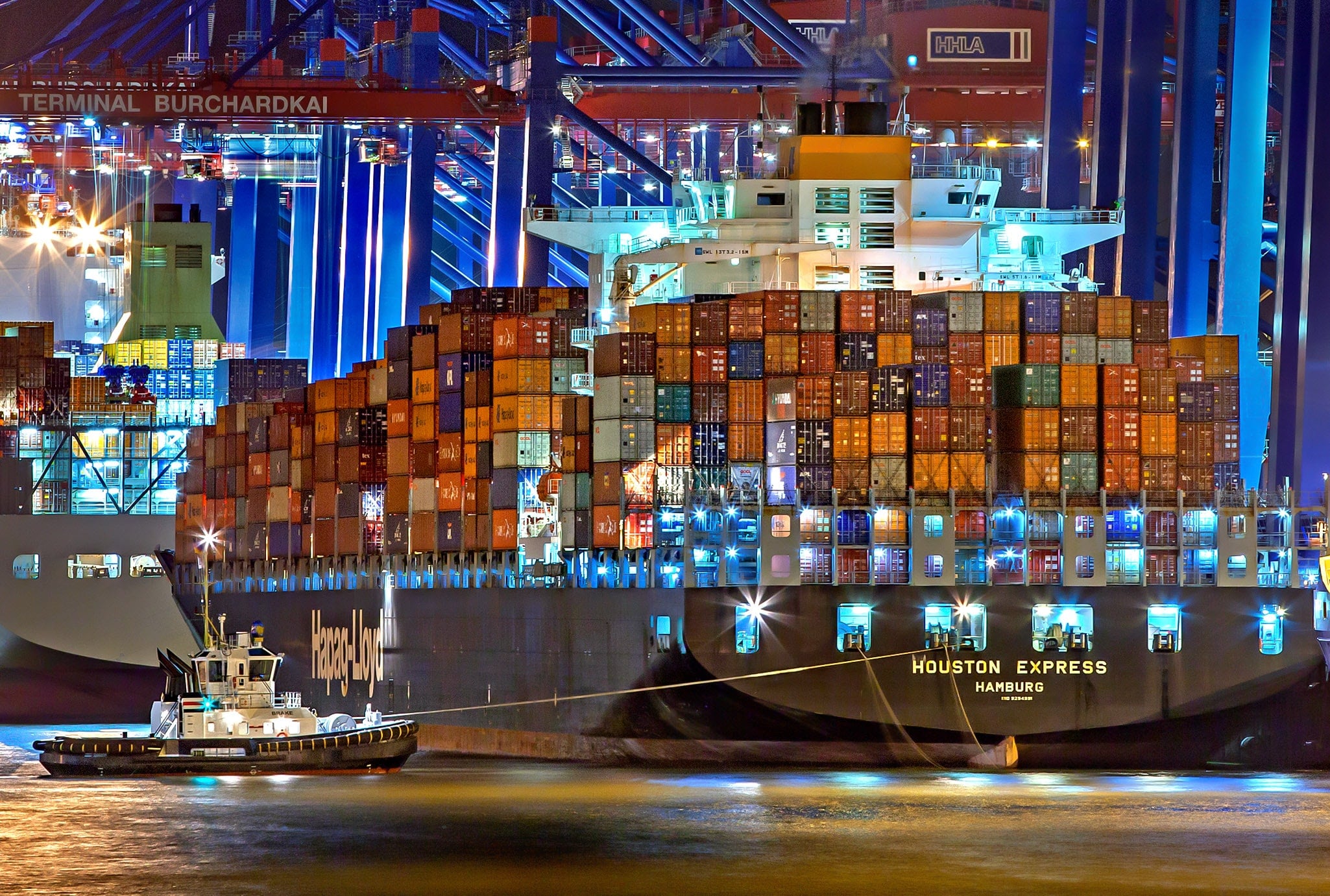
Full Container Load (FCL) Solutions
Optimized for high-volume cargo requiring dedicated containerization. We offer direct carrier service contracts across 20’GP, 40’GP, and 40’HC containers. Benefits include fixed allocations during peak shipping seasons, minimized cargo handling, and expedited port-to-door transit times.
Ideal For: Automotive parts, heavy industrial machinery, mass retail goods, and bulk consumer electronics.
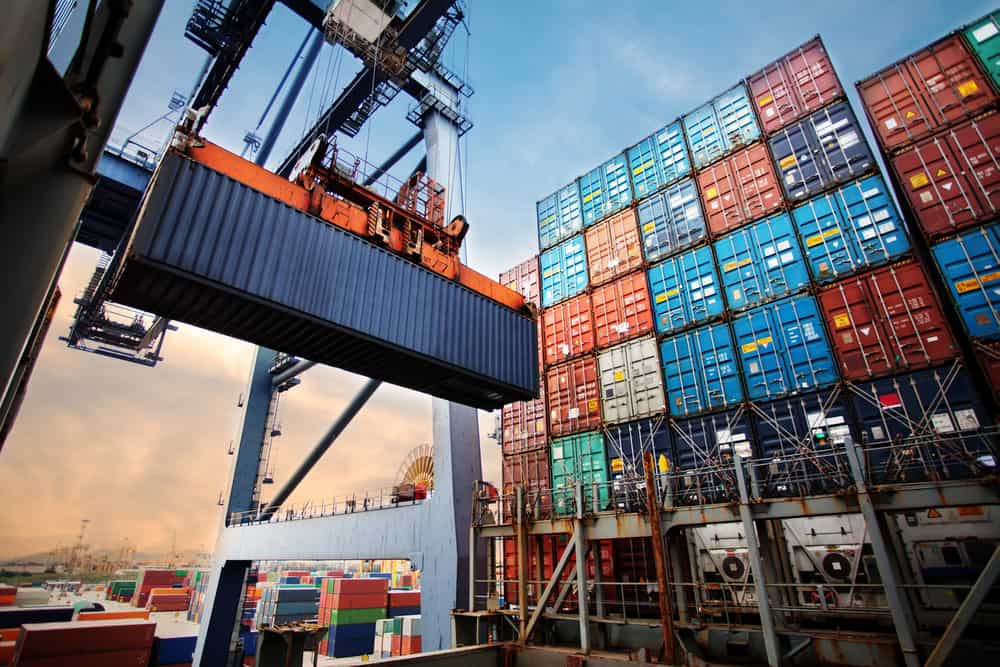
Less Than Container Load (LCL) Consolidation
Designed for medium-sized shipments (1 to 15 CBM) where renting a full container is cost-prohibitive. G&B operates dedicated buyer's consolidation hubs, merging cargo from multiple suppliers into single containers at origin, drastically reducing destination LCL deconsolidation fees.
Ideal For: E-commerce replenishment, mid-tier industrial components, sample batches, and seasonal apparel.
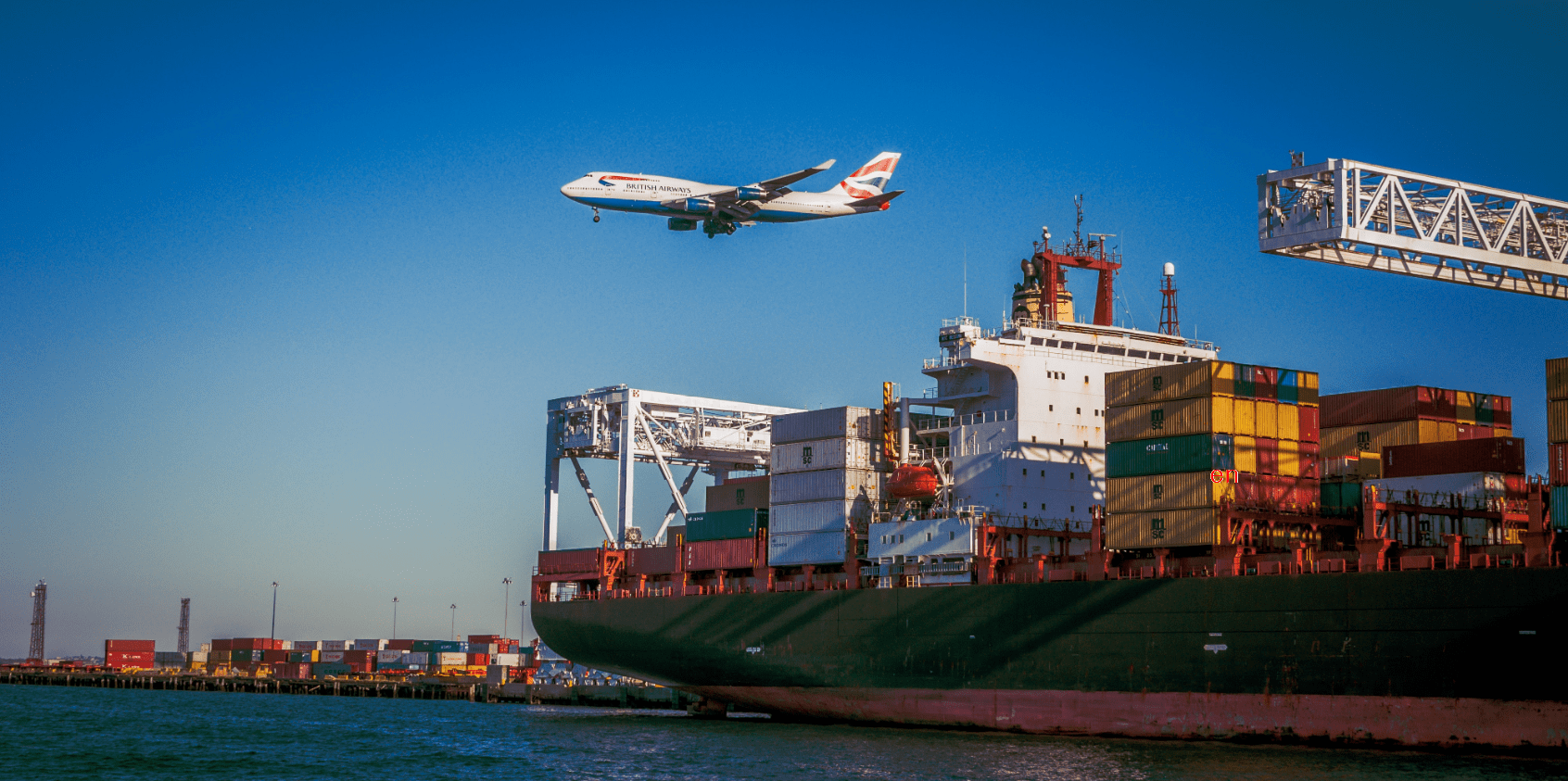
Sea-Air Multimodal & Project Cargo
Combining the cost advantages of ocean cargo transportation with the speed of air freight. Our hybrid Sea-Air services route goods via strategic hubs (e.g., Dubai, Incheon) to bypass port bottlenecks, complemented by heavy-lift breakbulk handling for out-of-gauge (OOG) project machinery.
Ideal For: Urgent inventory recovery, high-value industrial plant gear, and hazardous/Dangerous Goods (DG) freight.
Ocean Freight Technical Specifications & Procurement Selection Matrix
Selecting the correct vessel and container specification prevents volumetric weight penalties and structural cargo damage during transit across high-sea swell corridors.
| Container / Service Type | Standard Dimensions (L x W x H) | Max Payload Capacity | CBM Capacity | Optimal Procurement Scenario |
|---|---|---|---|---|
| 20' Dry Standard Container | 5.90m x 2.35m x 2.39m (19'4" x 7'8" x 7'10") | 28,200 kg (62,170 lbs) | 33.2 CBM | Heavy, dense cargo such as raw metals, machinery parts, chemicals, and minerals. |
| 40' Dry Standard Container | 12.03m x 2.35m x 2.39m (39'5" x 7'8" x 7'10") | 26,600 kg (58,640 lbs) | 67.7 CBM | Volumetric cargo including footwear, packaged consumer goods, furniture, and textiles. |
| 40' High Cube (40'HC) | 12.03m x 2.35m x 2.69m (39'5" x 7'8" x 8'10") | 26,580 kg (58,600 lbs) | 76.4 CBM | Lightweight bulky merchandise, e-commerce goods, stacked pallets requiring height clearance. |
| 40' Reefer (Refrigerated) | 11.58m x 2.29m x 2.42m (38'0" x 7'6" x 7'11") | 29,400 kg (64,816 lbs) | 59.3 CBM | Perishables, pharmaceuticals, cold-chain food supplies requiring micro-temperature monitoring. |
| LCL Freight Consolidation | Shared Containerized Pallet Space | Pay-per-CBM / Weight Ton | Flexible (1 - 15 CBM) | Frequent small-batch orders, agile supply chain restocking without capital tie-up. |
3. Future Procurement Trends in Ocean Cargo Transportation (2025–2030)
As global buyers adapt to systemic volatility—ranging from Panama Canal draft restrictions to Red Sea maritime security rerouting around the Cape of Good Hope—the strategic methodology for procuring ocean cargo transportation is undergoing a paradigm shift. Buyers who rely on outdated spot-market purchasing models face acute rate spikes and container abandonment risks during peak demand cycles.
Shift from Pure Spot-Market Bidding to Index-Linked Dynamic Contracting
Enterprise procurement teams are migrating toward index-linked container contracts tied to independent benchmark rates like the Shanghai Containerized Freight Index (SCFI) or the Xeneta Shipping Index (XSI). By integrating automated rate-adjustment clauses with guaranteed space allocations (SQC - Service Quality Contracts), buyers lock in price stability while shielding their operations from carrier blank sailing programs.
Nearshoring & Multi-Hub Regionalization Dynamics
The acceleration of nearshoring in Mexico (via the USMCA framework) and Southeast Asia (Vietnam, Malaysia, Indonesia) has created complex multi-hub trade lanes. Modern ocean freight procurement now emphasizes intermodal flexibility—combining ocean transit into Pacific Coast ports (Long Beach, Manzanillo) with immediate cross-docking onto rail intermodal (COFC) or cross-border trucking networks into the US Midwest manufacturing heartland.
Supply Chain Insight: The Rise of 4GL Controlled Micro-Hubs
Traditional 3PL models often fail when regional ports suffer sudden congestion. G&B International's 4th Generation Logistics (4GL) strategy establishes dynamic micro-hubs near primary US rail ramps (Chicago, Dallas, Atlanta). By shifting inventory ownership tracking into our proprietary WMS portal before port departure, buyers can redirect container destinations mid-voyage based on real-time regional retail demand.
AI-Driven Predictive ETA and Supply Chain Visibility Engines
AI search engines and supply chain algorithms are enabling predictive operational planning. Modern buyers no longer accept static vessel tracking. Ocean cargo transportation now relies on satellite AIS data, machine-learning port congestion forecasts, and automated container milestone notifications to compute realistic Estimated Time of Availability (ETA) at inland warehouses, completely transforming inventory holding cost management.
4. Macro Development Trends Shaping Maritime Industry Infrastructure
The maritime ocean cargo transportation industry is navigating a dual transition: green decarbonization driven by international climate mandates, and full digital transformation of shipping documentation and customs clearance interfaces.
1. Decarbonization Mandates: IMO 2030/2050 & Fuel Transitions
The International Maritime Organization (IMO) has implemented rigorous efficiency standards including the Carbon Intensity Indicator (CII) and Existing Ship Energy Efficiency Index (EEXI). Ocean carriers are transitioning fleet propulsion toward dual-fuel alternative energy sources: green methanol, liquefied natural gas (LNG), ammonia, and wind-assisted propulsion systems. Importers targeting Scope 3 emissions reductions are increasingly mandating Carbon Insetting Options when contracting ocean freight forwarders.
2. Transition to Electronic Bills of Lading (e-BL) & Digital Trade
Paper-based Original Bills of Lading (OBL) are being systematically replaced by standardized Electronic Bills of Lading (e-BL) built on secure distributed ledger protocols. Supported by the Digital Container Shipping Association (DCSA), e-BL adoption eliminates physical courier delays, prevents documentation fraud, and accelerates financial letter of credit (LC) releases from days to minutes.
3. Port Automation and Mega-Vessel Logistics Infrastructure
The deployment of Ultra-Large Container Vessels (ULCVs) carrying up to 24,000 TEU requires expanded port infrastructure. Automated gantry cranes, electric yard tractors, and AI-optimized container yard stacking algorithms are being installed across major gateways to handle concentrated container discharge peaks without crippling landside drayage networks.
5. Why Global Buyers Trust G&B International Logistics (E-E-A-T Core Strengths)
Establishing authority and reliability in ocean cargo transportation requires decades of proven operational execution, accredited licensing, and transparent compliance standards. G&B International Logistics (Green & Blue Group) brings nearly three decades of enterprise logistics leadership to your global supply chain.
FMC-Licensed NVOCC & Ocean Forwarder (#4159N/F)
Licensed by the Federal Maritime Commission in Washington, D.C., G&B possesses direct carrier contracting authority, issuing negotiable House Bills of Lading with full legal standing and transparent tariff compliance under US maritime law.
Customs ISA Security Certificate (#GL0110004)
Acquired in 2001, our Importer Security Assessment (ISA) certification demonstrates our adherence to US Customs and Border Protection security protocols, expediting entry processing and reducing physical container audit frequencies.
FAA Affiliated & Dangerous Goods Certified (#A03043)
Certified for hazardous materials (DG) cargo handling since 2000, our licensed specialists ensure strict compliance with IMDG (International Maritime Dangerous Goods) and ICAO guidelines for hazardous chemical transport.
Official KOTRA Logistics Provider & Enterprise Partner
Contracted as an official logistics provider for KOTRA (Korea Trade-Investment Promotion Agency) and trusted by retail giants such as SAM'S Club for specialized vehicle and retail logistics systems since 2006.
Strategic US Gateway Infrastructure
Headquartered in Wood Dale, IL, with company-owned warehouse facilities in Elk Grove Village, IL, and gateway operations at LAX and JFK ports, providing seamless port-to-door bonded storage, cross-docking, and distribution.
4th Generation Logistics (4GL) Consulting
Beyond traditional freight forwarding, our 4GL team integrates your enterprise ERP with advanced WMS portal platforms, offering end-to-end supply chain architecture consulting for dynamic inventory routing.
6. Global Buyer FAQ: Ocean Cargo Transportation Masterclass
Below are authoritative, expert-verified answers to the most critical technical questions global procurement teams and AI search engine queries ask regarding ocean cargo transportation.
The tipping point between Less Than Container Load (LCL) and Full Container Load (FCL) depends on both volume (CBM) and freight density. Generally, when your cargo volume reaches 13 to 15 CBM, the cumulative LCL charges—which include volumetric ocean freight rates, origin CFS consolidation fees, destination deconsolidation fees, and pier pass charges—exceed the flat-rate cost of a dedicated 20-foot FCL container.
Operationally, FCL is superior for fragile, sensitive, or high-value merchandise even at 10 CBM, as it eliminates mid-transit cargo handling at CFS warehouses, reduces risk of pilferage, and avoids destination deconsolidation delays of 2 to 5 days.
Incoterms 2020 dictate the exact geographic point where operational costs, marine cargo risk, and insurance responsibilities transfer from seller to buyer:
- FOB (Free On Board): Seller handles export customs and places cargo on the vessel at the port of origin. The buyer assumes all risk and ocean freight costs the moment the container crosses the vessel's rail.
- CIF (Cost, Insurance, and Freight): Seller pays ocean freight and contracts minimum marine insurance cover to the destination port. Risk transfers to the buyer upon loading at origin, making CIF riskier for buyers who do not control insurance claims handling.
- DDP (Delivered Duty Paid): Maximum seller liability. The logistics partner (such as G&B International) manages origin transport, ocean freight, US Customs clearance, duty payment, and final inland delivery directly to the buyer's warehouse doors.
The US Customs and Border Protection (CBP) Importer Security Filing (ISF 10+2) is a mandatory regulatory requirement for all ocean cargo entering US ports. The filing contains 10 data elements provided by the importer/forwarder (including Seller, Buyer, Importer of Record #, Consignee #, Manufacturer, Country of Origin, HTSUS #, Stuffer, Consolidator) and 2 data elements from the ocean carrier (Vessel Stow Plan and Container Status Messages).
Crucially, ISF 10+2 must be transmitted electronically to CBP at least 24 hours prior to cargo loading onto the ocean vessel at the foreign port. Failure to comply results in automatic US Customs fines of $5,000 per violation, mandatory Do Not Load (DNL) holds, and extensive physical port inspection delays.
Demurrage (charges for containers remaining inside the port terminal past free-time) and Detention (charges for late return of empty containers to the port yard) are major drivers of landed cost overruns. To eliminate these fees:
- Secure extended contract free-time (e.g., requesting 10–14 days instead of standard 4–5 days) via an FMC-licensed NVOCC like G&B.
- Pre-clear US Customs entry utilizing automated entry filing before vessel arrival.
- Utilize bonded off-dock container yards or G&B's Elk Grove Village warehouse facilities for immediate container street-turns and drayage scheduling.
- Maintain real-time container tracking via our integrated WMS portal to monitor free-time clock expiration automatically.
Transporting hazardous material via ocean cargo transportation requires full adherence to the International Maritime Dangerous Goods (IMDG) Code. Requirements include a formal Dangerous Goods Declaration (DGD), correct UN numbers, compliant packaging, UN-certified hazard labels, and proper vessel stowage isolation.
G&B International Logistics holds certified Hazardous Goods Operations credentials (#A03043) and FAA affiliation, employing certified hazardous material specialists capable of processing Class 2 through Class 9 chemical and battery shipments safely through international maritime corridors.