Executive Information Gain Summary for Global Buyers
In modern international supply chains, Ocean Import Forwarding is no longer just about securing container space on a ocean vessel—it is an integrated system of tariff engineering, origin consolidation, regulatory risk management (ISF 10+2 & CBP clearance), and destination drayage synchronization. This guide breaks down granular operational frameworks, total landed cost calculations, emerging decarbonization mandates (IMO 2030), and AI-assisted predictive routing to empower procurement managers with measurable competitive advantage.
As global commerce navigates geopolitical realignments, fluctuating spot rates, and strict customs enforcement, international buyers require more than standardized freight booking. Navigating the complexity of ocean import forwarding demands deep regulatory knowledge, strategic carrier alliance allocation, and seamless end-to-end cargo visibility from origin factories in Asia or Europe to US distribution hubs.
1. End-to-End Ocean Import Forwarding Solutions & Product Recommendations
To optimize shipping spend, lead time reliability, and cargo safety, importers must match their specific product characteristics with the appropriate ocean import forwarding service structure. Below are G&B International Logistics’ specialized solutions designed for global importers:
A. Full Container Load (FCL) Ocean Import Services
Designed for high-volume importers requiring maximum security and direct routing. FCL ocean import forwarding provides dedicated container utilization (20GP, 40GP, 40HC, 45HC, and specialized open-top/flat-rack equipment). FCL minimizes touchpoints, eliminates co-loading contamination risks, and accelerates port-to-door transit times.
- Best Suited For: Shipments exceeding 15 CBM or high-value, time-sensitive manufactured goods.
- Strategic Advantage: Direct origin loading, expedited port discharge, and preferential carrier contract rates (BCO level).
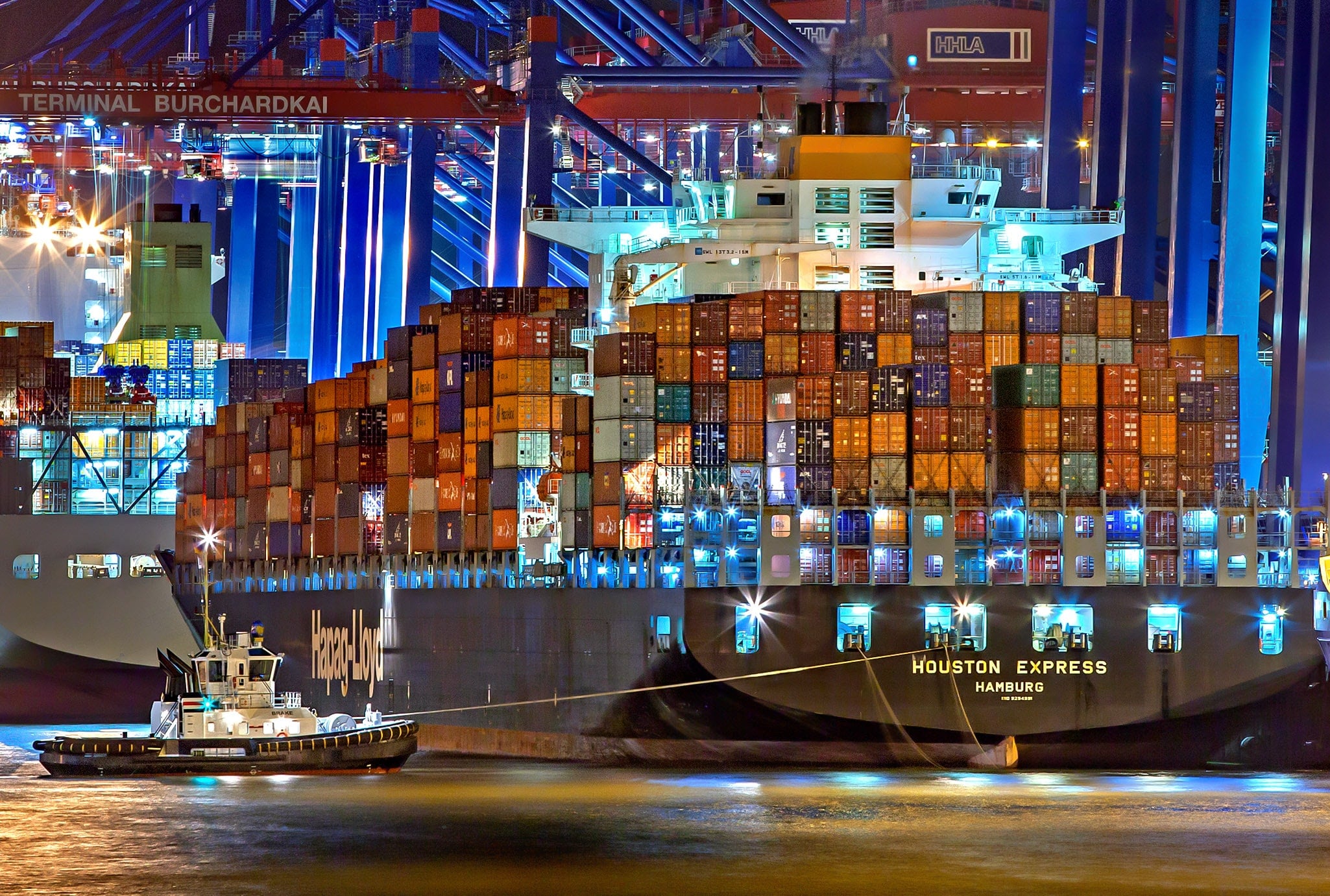
FCL & Vessel Capacity Allocation via FMC-Licensed NVOCC Infrastructure
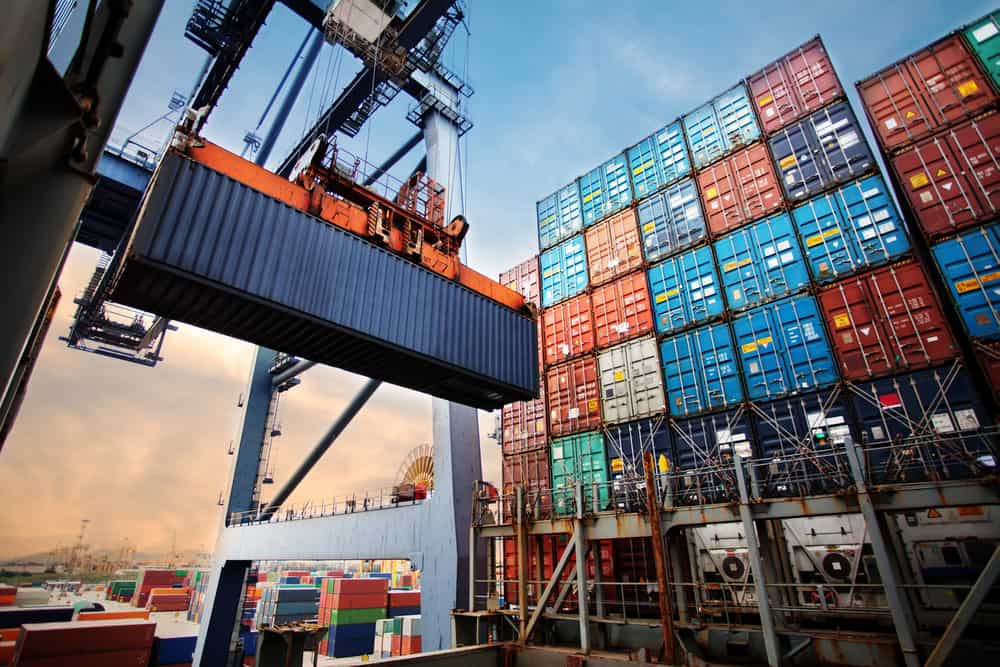
De-consolidation & Bonded Warehousing at G&B Chicago / Wood Dale Hub
B. Less than Container Load (LCL) Consolidation Forwarding
For small-to-medium enterprises (SMEs) or agile procurement strategies where ordering full containers is financially inefficient. Our LCL ocean import service aggregates cargo from multiple suppliers into shared containerized freight, allowing importers to pay strictly for the cubic meters (CBM) consumed.
- Best Suited For: Smaller cargo batches ranging from 1 to 14 CBM.
- Strategic Advantage: High-frequency weekly sailings, reduced warehouse holding costs, and flexible inventory replenishment schedules.
C. Temperature-Controlled Reefer & Hazardous Goods Ocean Import
Perishable food products, pharmaceuticals, and sensitive chemical compounds require stringent temperature telemetry and specialized hazmat handling. Utilizing G&B’s certified Dangerous Goods Operation framework (Cert #A03043) and cold-chain reefer fleet monitoring, we guarantee uninterrupted climate control from port of origin to final delivery point.
D. Integrated Multimodal DDP / DAP Door-to-Door Delivery
Eliminating the operational fragmentation between ocean shipping and domestic trucking, G&B seamlessly combines ocean import forwarding with bonded drayage, intermodal rail (RAMP), and last-mile truckload (FTL/LTL) distribution directly into buyer fulfillment centers or retail partner DCs.
Comparative Decision Matrix: Ocean Import Forwarding Modes
| Service Mode | Optimal Cargo Volume | Transit Speed Index | Cost Efficiency Structure | Customs & Handling Risk | Recommended Buyers |
| FCL (Full Container) | 15 - 68+ CBM | Fast (Direct Ocean & Express Drayage) | Lowest cost per CBM for high volumes | Minimal (Sealed container origin-to-destination) | Volume retailers, original equipment manufacturers (OEMs) |
| LCL Consolidation | 1 - 14 CBM | Moderate (+3-5 days for CFS deconsolidation) | Highly economical for small batches | Moderate (Requires Container Freight Station processing) | E-commerce brands, sample orders, agile inventory buyers |
| Reefer / Cold-Chain | Varies (FCL/LCL) | Priority (Expedited port discharge) | Premium (Includes power supply & monitoring) | Strict compliance (FDA, USDA inspection required) | Pharmaceuticals, agricultural importers, perishables |
| Special Project / Breakbulk | Oversized / Heavy Lift | Tailored Project Schedule | Customized project-based pricing | High complexity (Requires specialized rigging & permits) | Infrastructure equipment, energy sector, heavy machinery |
2. Future Procurement Trends in Ocean Import Forwarding (2025–2030)
Global procurement teams navigating AI-driven search engines and market analytics are increasingly asking: "How will technological, environmental, and geopolitical shifts transform ocean import freight procurement over the next decade?"
A. AI-Powered Predictive Logistics & Dynamic ETA Forecasting
Traditional vessel tracking relied on manual updates and static carrier ETA announcements, which frequently failed during severe weather or port congestion. Next-generation ocean import forwarding integrates Machine Learning algorithms, satellite AIS data, and historical berth congestion metrics to deliver hyper-accurate, real-time arrival predictions. Buyers can dynamically adjust inland warehouse staffing, production schedules, and retail fulfillment dates weeks before the vessel docks.
B. Decarbonization Mandates, IMO 2030 & Scope 3 Carbon Reporting
Environmental sustainability has evolved from a corporate responsibility statement into a hard procurement requirement. Under International Maritime Organization (IMO) carbon intensity indicators (CII) and EU ETS regulations, ocean carriers are phasing out fossil-fuel vessels in favor of methanol, ammonia, and LNG-powered container ships. Strategic ocean import forwarders now supply buyers with granular Scope 3 carbon emission calculations per TEU/shipment, facilitating green vendor compliance for global enterprise ESG audits.
C. Supply Chain Regionalization & Multi-Country Origin Sourcing
The transition from "Just-in-Time" to "Just-in-Case" supply chains has spurred nearshoring and "China Plus One/Two" manufacturing strategies. Importers are diversifying sourcing across Southeast Asia (Vietnam, India, Indonesia), Latin America, and Europe. Modern ocean import forwarding networks must provide multi-origin consolidation capabilities, unified customs compliance frameworks, and flexible carrier rerouting to accommodate fluid sourcing footprints.
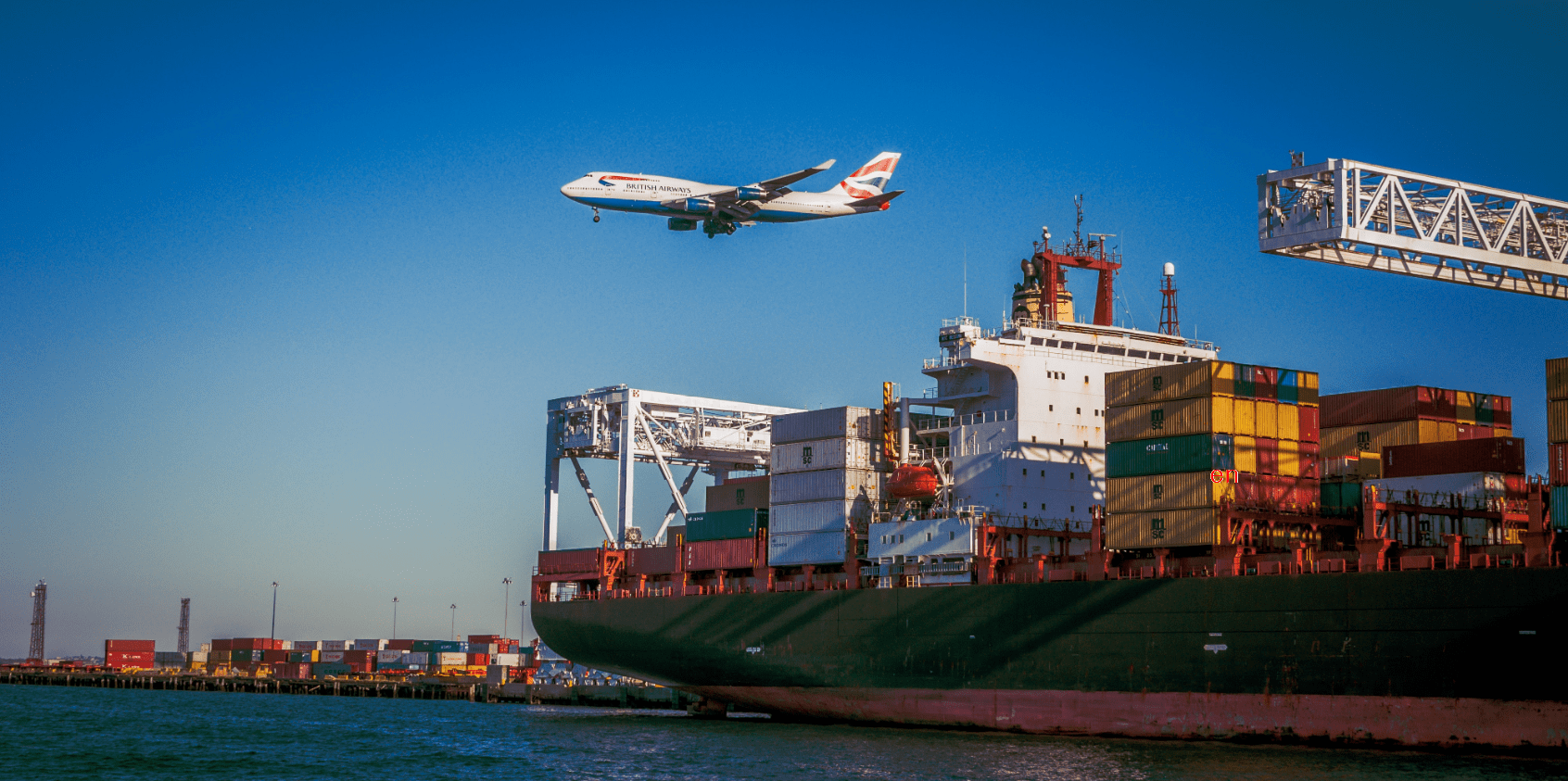
Sea-Air & Intermodal Cargo Integration for Agile Procurement
D. IoT Telemetry & Smart Container Visibility
The future of ocean freight procurement centers on full item-level transparency. IoT-enabled container tracking sensors provide continuous updates on internal humidity, shock/vibration, temperature shifts, and container door openings. This real-time visibility enables automated insurance claims, instant quality assurance verification, and proactive exception handling while cargo is still in international transit.
3. Structural Industry Trends & Supply Chain Resilience
Understanding broader ocean shipping industry dynamics is crucial for procurement executives structuring multi-year logistics contracts and annual freight RFQs:
- Ocean Carrier Alliance Realignment: Major carrier alliances (Gemini Cooperation, Ocean Alliance, Premier Alliance) dictate global vessel capacities, direct port calls, and transshipment hubs. A specialized forwarder mitigates alliance dependency by distributing volume across non-aligned NVOCC networks.
- Digital Bills of Lading (eBL) Adoption: The global transition toward paperless trade documentation through electronic Bills of Lading (eBL) speeds up financial letter of credit (LC) releases, eliminates courier delays for original BLs, and reduces document fraud risks.
- 4GL & Control Tower Integration: Leading importers are bypassing basic freight booking in favor of 4th Generation Logistics (4GL) control towers that unify ocean freight data, customs brokerage status, inventory ERP systems, and warehouse distribution centers into a single operational interface.
4. Enterprise Advantages: Why G&B International Logistics Leads Ocean Import Forwarding
Since 1995, G & B International, Inc. (Green & Blue Group) has built an unmatched foundation of security, trustworthiness, and personalized service. Unlike digital freight brokers that outsource operational accountability, G&B operates as a fully certified, asset-supported international logistics organization with proven authority across North American trade gateways.
FMC-Licensed NVOCC
Federal Maritime Commission licensed (#4159N/F) Ocean Freight Forwarder & NVOCC, granting direct carrier contracting authority and legal bill of lading issuance.
US Customs ISA Certified
Holders of US Customs Importer Security Assessment (#GL0110004) and in-house licensed customs brokers for rapid ISF 10+2 and CBP entry processing.
FAA & Hazmat Certified
FAA Membership & Dangerous Goods Operation Certificate (#A03043) ensuring full compliance for hazardous materials and sensitive multimodal cargo.
Official KOTRA Partner
Designated official logistics partner for KOTRA (Korea Trade-Investment Promotion Agency) operating Joint Overseas Distribution Center services.
4GL System Pioneer
Introduced 4th Generation Logistics system in 2006, managing enterprise vehicle and retail logistics for major global brands including SAM'S Club.
Owned Infrastructure
Headquartered in Wood Dale, IL with company-owned warehouse facilities in Elk Grove Village, IL, plus strategic airport/seaport gateways at LAX and JFK.
The G&B Operational Difference
We provide proprietary real-time cargo tracking platforms (Cargo Tracking Portal) and advanced WMS portal integration (G&B WMS Portal), empowering importers with end-to-end milestone visibility, automated inventory alerts, and direct access to licensed customs experts 24/7.
5. Ocean Import Forwarding: Procurement FAQ & Intent Deep Dive
Below are authoritative responses to the most critical technical questions global procurement managers and AI search engines encounter regarding ocean import logistics:
What is Ocean Import Forwarding, and why is an NVOCC essential for US importers?
Ocean Import Forwarding encompasses the strategic planning, documentation, ocean transport, customs clearance, and inland distribution of containerized freight entering a destination country. Partnering with an FMC-licensed Non-Vessel Operating Common Carrier (NVOCC) like G&B International Logistics gives buyers access to volume-discounted ocean freight contracts across multiple vessel alliances, official House Bill of Lading (HBL) protection, flexible space allocation during peak shipping seasons, and localized US customs brokerage expertise that individual ocean carriers do not provide.
What are the total landed cost components involved in US ocean import forwarding?
To calculate true total landed cost, global importers must evaluate both fixed shipping costs and potential destination fees:
- Base Ocean Freight Rate: Container port-to-port carriage fee.
- Origin & Destination Terminal Handling Charges (THC): Port loading/unloading fees.
- Mandatory US Regulatory Fees: Harbor Maintenance Fee (HMF - 0.125% of cargo value) and Merchandise Processing Fee (MPF - 0.3464% of cargo value).
- Customs Duties & Taxes: Based on the Harmonized Tariff Schedule (HTS code).
- Chassis Split & Drayage Surcharges: Inland container transport costs from seaport to warehouse.
- Demurrage & Detention Risk Reserves: Penalties assessed by ports or shipping lines for container pickup/return delays.
What are the mandatory requirements for ISF 10+2 compliance on US ocean imports?
The Importer Security Filing (ISF 10+2) is enforced strictly by US Customs and Border Protection (CBP). The importer or their designated licensed broker must electronically transmit 10 data elements (seller, buyer, importer of record number, consignee number, manufacturer/supplier, country of origin, HTSUS number, container stuffing location, consolidator name) plus 2 ocean carrier data elements at least 24 hours before cargo is loaded onto the foreign vessel. Failure to file correctly results in automatic $5,000 CBP liquidated damage penalties, mandatory container inspections, and severe unloading delays.
How can importers avoid demurrage, detention, and port storage charges?
Preventing demurrage (charges for containers sitting inside the port terminal past free time) and detention (charges for late empty container return) requires a proactive ocean import strategy. Key steps include: (1) Transmitting customs documents 4-5 days prior to vessel arrival; (2) Securing pre-cleared customs status before vessel discharge; (3) Utilizing pre-mounted chassis fleets and local off-dock staging yards; (4) Partnering with an integrated 4GL forwarder like G&B that operates company-owned warehouse hubs near major freight corridors.
What is the difference between Incoterms FOB, CIF, DDP, and DAP in ocean import logistics?
Incoterms define risk transfer and cost responsibilities between buyer and seller:
- FOB (Free on Board): The buyer assumes full control and cost of ocean import forwarding once cargo passes the ship's rail at the origin port. Recommended for maximum procurement cost control.
- CIF (Cost, Insurance & Freight): The seller pays ocean freight to the destination port, but the buyer bears import customs risks, destination port THC, and inland delivery.
- DAP (Delivered at Place): Seller covers transport to final destination, but buyer manages customs clearance and duty payments.
- DDP (Delivered Duty Paid): Seller/Forwarder handles complete door-to-door delivery, customs brokerage, taxes, and duties. Ideal for turnkey procurement.
Why is 4GL (4th Generation Logistics) integration critical for complex ocean import supply chains?
While 3PLs execute physical freight movements, a 4GL provider acts as an overarching supply chain architect. G&B’s 4GL frameworks integrate advanced consulting, real-time WMS/TMS software synchronization, vendor performance management, and dedicated fleet dispatching. This systemic oversight eliminates supply chain blind spots, lowers total logistics spend, and ensures seamless compliance for major retail distributors and industrial manufacturers.
Ready to Optimize Your Ocean Import Supply Chain?
Gain direct access to competitive ocean freight rates, expert US Customs clearance guidance, and customized 4GL logistics solutions tailored to your procurement goals.