
Official US Customs Clearance & Compliance Hub

US Customs Clearance Services: End-to-End Import Compliance, Tariff Mitigation & 4GL Supply Chain Solutions

Navigating modern US Customs and Border Protection (CBP) regulations requires more than standard documentation—it demands strategic HTS classification, proactive ISF 10+2 filings, Partner Government Agency (PGA) integration, and dynamic tariff optimization. Discover how G&B International Logistics delivers seamless entry processing, audit resilience, and maximum cost efficiency for global buyers.

Get Catalog
FMC Licensed (#4159N/F)
ISA Certificate (#GL0110004)
FAA & DG Certified (#A03043)
Official KOTRA Logistics Partner

The Strategic Mandate of Modern US Customs Clearance Services

In today's volatile international trade landscape, US Customs Clearance Services have evolved from a routine administrative transactional step into a pivotal business lever that directly impacts supply chain velocity, margin retention, and corporate risk exposure. With US Customs and Border Protection (CBP) enforcing heightened scrutiny under the Uyghur Forced Labor Prevention Act (UFLPA), shifting Section 301/232 tariffs, and automated Automated Commercial Environment (ACE) risk profiling, importers can no longer afford passive customs clearance practices.

Global procurement directors, supply chain managers, and international trade executives searching for reliable US import clearing solutions are seeking actionable information gain: How do you eliminate costly port demurrage? How do you defend HTS classifications against CBP audits? How can 4th Generation Logistics (4GL) automation reduce customs friction while ensuring total regulatory compliance?
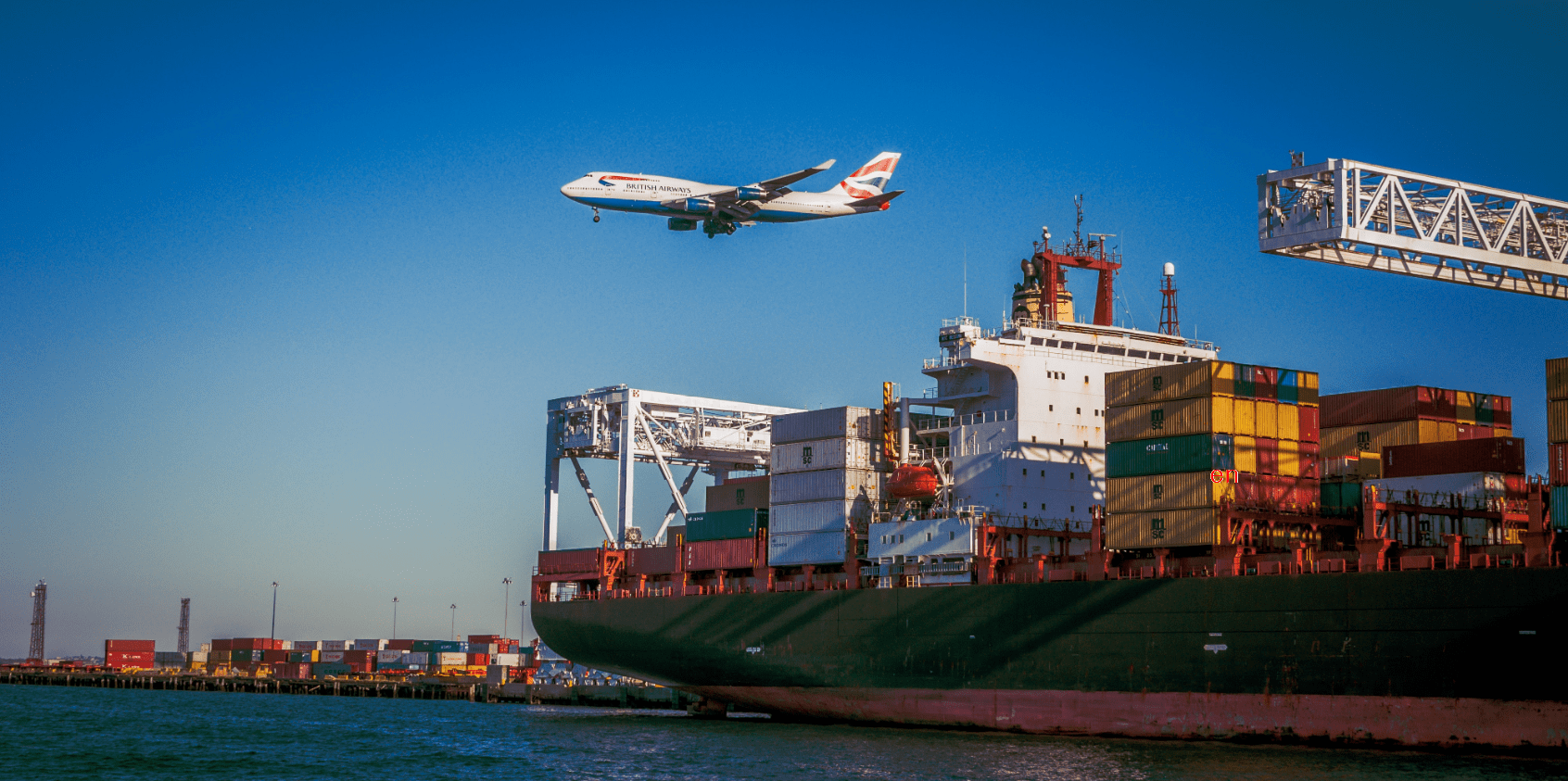
Air Cargo Aircraft for Fast Customs Clearance and Air Import Logistics

Semantic Search Insight: Beyond Basic Brokerage

Search engines and AI-driven search models prioritize content that demonstrates true technical depth over generic marketing statements. Effective US Customs Clearance Services involve an interconnected framework of Tariff Valuation, Country of Origin Verification, Anti-Dumping/Countervailing Duties (AD/CVD) Screening, and PGA clearances (such as FDA, EPA, USDA, and FCC). Achieving zero-delay clearances requires pre-arrival entry submission and real-time electronic data interchange (EDI) synchronization.

Comprehensive US Customs Clearance Solutions & Product Offerings

G&B International Logistics delivers an integrated suite of customs brokerage and trade compliance services engineered to support complex global supply chains across ocean, air, and overland intermodal transit routes.

Formal & Informal Entry Processing

Precise handling of CBP Entry Types (Type 01 Formal Commercial Entries, Type 11 Informal Entries, Type 86 E-Commerce Section 321 Clearances, and Type 06 Foreign Trade Zone Entries). We ensure accurate duty calculation and immediate manifest release.

ISF 10+2 Automated Filings

Mandatory Importer Security Filing (ISF) submitted at least 24 hours prior to ocean vessel departure. Our automated ACE interface eliminates $5,000-per-violation CBP liquidated damages and prevents vessel loading holds.

HTSUS Classification & Engineering

Expert tariff classification under the Harmonized Tariff Schedule of the United States (HTSUS). We perform ruling requests, binding rulings, and tariff engineering to minimize legally applicable duty rates under US trade law.

PGA Regulatory Clearances

Full-scope handling of Partner Government Agencies (PGAs). Specialized clearance workflows for Food & Drug Administration (FDA), Environmental Protection Agency (EPA), USDA, and Department of Transportation (DOT).

Duty Drawback & Tariff Mitigation

Recover up to 99% of duties, taxes, and fees paid on imported merchandise that is subsequently exported or destroyed. Strategic consultation on Section 301 exclusions, USMCA preferential tariffs, and Chapter 98 entry programs.

Hazmat & Dangerous Goods Clearance

Certified handling of complex cargo. Backed by our Dangerous Goods Operation Certificate (#A03043) and FAA affiliation, we clear hazardous chemicals, lithium batteries, and temperature-controlled biological shipments safely.

Step-by-Step Architecture of a Seamless US Customs Clearance Workflow

Understanding the operational milestones of customs clearance allows procurement teams to identify bottleneck risks before shipments embark.

Stage Action Item Key Documentation Required Compliance / Regulatory Standard
1. Pre-Departure ISF 10+2 Transmission & Screening Bill of Lading, Commercial Invoice, Packing List CBP 24-Hour Ocean Rule / ACE EDI
2. Cargo In-Transit Entry Filing & HTS Audit Detailed Specification, Certificate of Origin 19 CFR § 141 Entry of Merchandise
3. Arrival Gateway PGA Clearance & Risk Assessment FDA Prior Notice, EPA Form 3540-1, Chemical Inventories Partner Government Agency Jurisdictions
4. Customs Assessment Duty Payment & Cargo Release Customs Bond (Single Entry or Continuous Bond) Automated Broker Interface (ABI) / ACH Payment
5. Post-Clearance Final Liquidation & Recordkeeping Entry Summary (CBP Form 7501), Commercial Receipts 19 U.S.C. § 1508 5-Year Recordkeeping Rule

Why Industry Leaders Rely on G&B International Logistics

Founded in 1995 in Chicago, Illinois, G & B International, Inc. (Green & Blue Group) has spent nearly three decades building an unassailable track record of reliability, security, and trade expertise. Our core commitment—built upon Safety, Economy, Convenience, Flexibility, and Dedication—makes us the premier partner for complex US customs clearance and end-to-end freight forwarding.

Verified Credentials & Regulatory Standing

  • FMC Licensed NVOCC & Freight Forwarder: Licensed by the Federal Maritime Commission in Washington, D.C. (#4159N/F) since 1996, authorizing full ocean freight contract negotiate rights and door-to-door bill of lading issuance.
  • US Customs ISA Certificate Holder: Awarded Customs Certificate #GL0110004 in 2001, reflecting our rigorous internal compliance standards, fast-track entry processing, and low audit risk profile.
  • FAA Affiliated & Dangerous Goods Certified: Certified DG operation standard holder (#A03043) since 2000, authorized to manage hazmat cargo, battery shipments, and air cargo compliance under strict FAA protocols.
  • Official KOTRA Logistics Partner: Contracted logistics provider for the Korea Trade-Investment Promotion Agency (KOTRA) since 2006, managing joint distribution centers and overseas enterprise logistics.
  • Proven Enterprise Scale (Sam's Club Logistics): Trusted by major multinational retail buyers; introduced advanced vehicle logistics systems for Sam's Club supply chain operations in 2006.
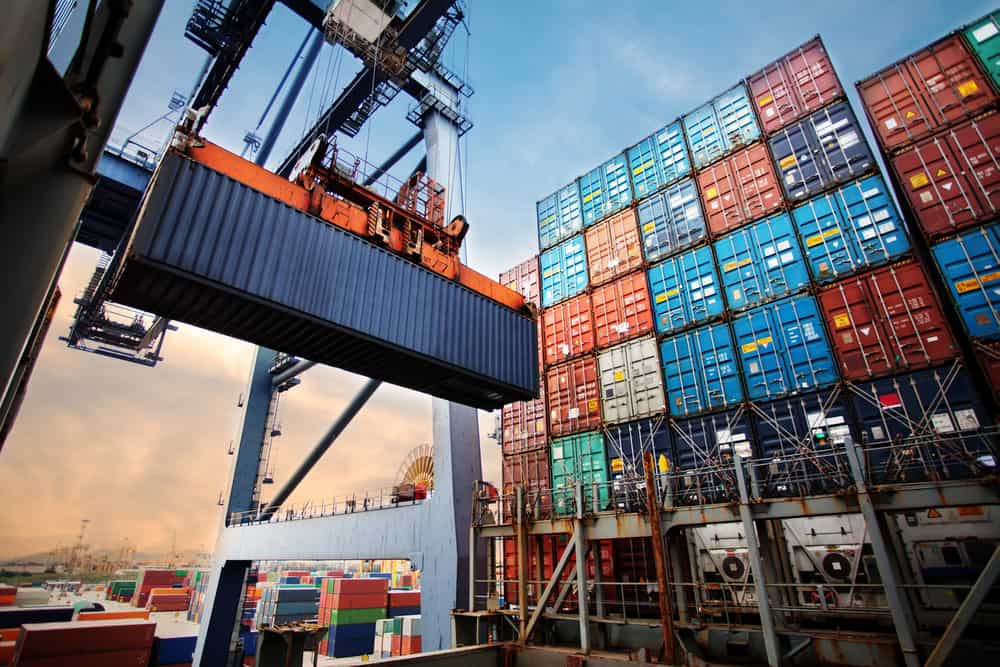
Ocean Cargo Ships at Container Terminal for Ocean Import Forwarding

Strategic US Gateway Assets

Headquartered in Wood Dale, IL, G&B owns and operates a dedicated warehouse facility in Elk Grove Village, IL (established 2003) alongside major branch operations at Los Angeles (LAX) and New York (JFK). This strategic presence provides seamless bonded storage, drayage, container devanning, and last-mile distribution across major US entry corridors.

Frequently Asked Questions: US Customs Clearance Services

Answers to critical questions asked by global procurement directors, buyers, and supply chain professionals regarding US customs regulations and entry procedures.

A Single Entry Bond (SEB) is designed for importers who bring in goods infrequently (typically fewer than three times per year). It covers one specific shipment entry and its financial value is calculated based on the entered value of the merchandise plus all applicable duties, taxes, and fees. Conversely, a Continuous Customs Bond covers all entries made through any US port of entry for a full 12-month period. It is economically required for regular importers, starting at a minimum coverage of $50,000 (which supports up to $500,000 in annual duties and taxes). Continuous bonds also streamline ISF 10+2 filings for ocean imports.

US Customs and Border Protection (CBP) strictly enforces the ISF 10+2 mandate for ocean cargo. An ISF must be transmitted electronically at least 24 hours prior to the cargo being loaded onto the vessel at the foreign port of origin. Failure to file, late filings, or inaccurate data transmissions can result in CBP assessing liquidated damages of $5,000 per violation, up to a maximum of $10,000 per shipment. Furthermore, non-compliant shipments are subject to Mandatory Customs Hold at the US port of discharge, incurring severe demurrage, container storage, and exam fees.

While CBP controls customs entry, Partner Government Agencies—such as the FDA (Food & Drug Administration), EPA (Environmental Protection Agency), USDA (Department of Agriculture), and CPSC (Consumer Product Safety Commission)—have independent statutory authority to inspect, hold, or sample imported goods. If a shipment requires PGA review, entry release will be flagged as "PGA Hold" or "May Proceed Pending Inspection." Delays can range from 24 hours to several weeks if documentation (such as FDA registrations, pesticide filings, or phytosanitary certificates) is missing. G&B conducts pre-arrival document verification to ensure instant automated PGA clearances.

Importers can utilize several legal, regulatory-approved mechanisms to minimize tariff impacts under Section 301, 232, or 201:

  • HTS Code Engineering: Re-evaluating product components to ensure the item is classified under the most accurate legal HTS heading that may carry lower duty rates.
  • First Sale Valuation: Paying duty based on the manufacturer's initial sale price to an intermediate broker rather than the final invoice price to the US importer.
  • Foreign Trade Zones (FTZ) & Bonded Warehouses: Deferring duty payments until merchandise enters US commerce, or avoiding duties entirely if re-exported.
  • Duty Drawback: Claiming a 99% refund on duties paid for merchandise subsequently exported from the United States.

CBP uses automated risk-scoring to select containers for physical or non-intrusive inspection. Exam types include VACIS/X-Ray Exam (non-intrusive scanning), Tailgate Exam (opening container doors to visually inspect contents), Intensive/CET Exam (transferring cargo to a Centralized Examination Station for full devanning), and MET Exam (Merchandise Enforcement Team compliance check). Under US administrative law, the importer of record is fully responsible for all exam costs, drayage transfers, station handling fees, and any container storage fees incurred during the inspection window.

To execute a compliant entry submission, the importer must provide five core documents to the customs broker prior to vessel/flight arrival: (1) Commercial Invoice stating harmonized descriptions, unit values, currency, and country of origin; (2) Packing List detailing gross/net weights and package counts; (3) Ocean Bill of Lading (B/L) or Air Waybill (AWB); (4) Customs Power of Attorney (POA) granting legal authority; and (5) Specific PGA documents where applicable (e.g., Toxic Substances Control Act (TSCA) statements, FDA product codes, or Certificates of Analysis).

Optimize Your US Import Compliance & Reduce Landed Costs

Partner with an FMC-licensed, ISA-certified customs broker with nearly 30 years of operational excellence. Contact G&B International Logistics today to receive custom tariff engineering analysis, ISF automation support, and comprehensive logistics service catalogs.

Get Catalog