
Strategic Architecture of Intermodal Transportation Services in Modern Global Procurement
In an era defined by volatile fuel markets, stringent Scope 3 carbon mandates, port congestion, and shifting trade tariffs, enterprise procurement officers and supply chain directors can no longer rely on single-mode freight forwarding. Modern international commerce demands Intermodal Transportation Services—a highly synchronized logistics framework that integrates ocean vessel passages, Class-I heavy-haul rail networks, and localized port-and-ramp drayage into a singular, seamless movement under a unified Bill of Lading.
At G&B International Logistics (Green & Blue Group), founded in Chicago in 1995, intermodal transportation represents the pinnacle of freight engineering. Headquartered in Wood Dale, Illinois—at the strategic center of North America’s largest rail interchange—we bridge global ocean carriers with interior inland points (IPI). By converting long-haul highway trucking into rail-bound container movements (COFC & TOFC), global procurement teams reduce freight expenditure by 18% to 35% while slashing carbon emissions by up to 65% per ton-mile.
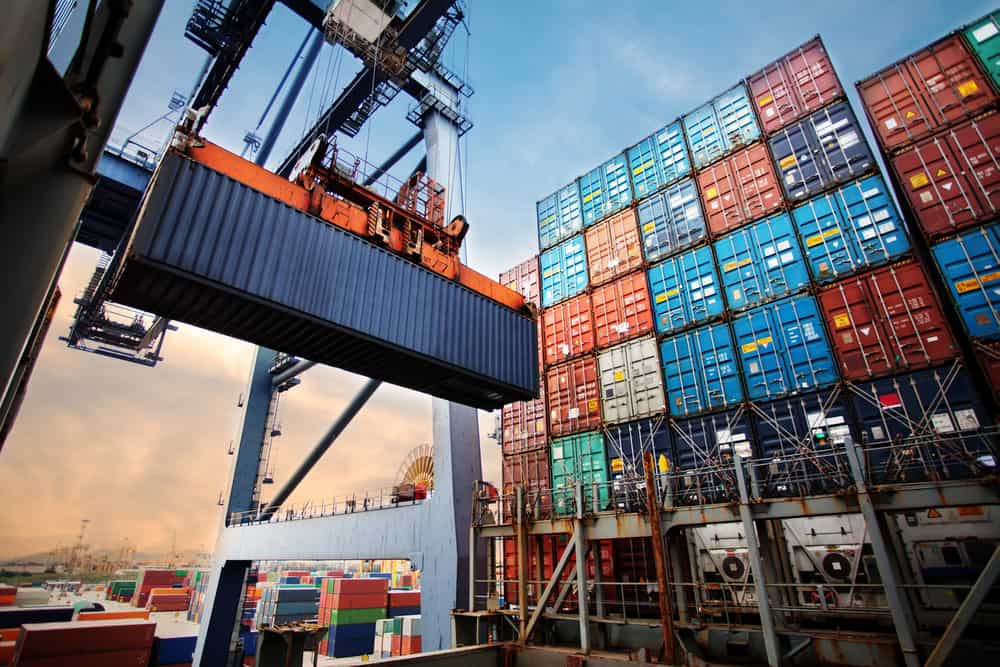
Information Gain Insight: The Financial Breakeven of Intermodal Rail vs. OTR Trucking
For cross-country US freight movements exceeding 500 miles, rail intermodal consistently outperforms Over-the-Road (OTR) trucking in total landed cost. When moving imported cargo from Pacific Southwest ports (LA/Long Beach) to Midwest distribution hubs (Chicago, Indianapolis, Columbus), intermodal transportation insulates buyers from driver shortages, diesel price shocks, and highway weight limits. A single intermodal train can move the payload of 280 semi-trucks, offering massive structural cost advantages to enterprise importers.
Comprehensive Intermodal Product & Service Engineering
Navigating complex international corridors requires tailored intermodal solutions. G&B International Logistics designs custom intermodal frameworks engineered around cargo density, time sensitivity, customs compliance, and final-mile distribution requirements:
1. Ocean-to-Rail Inland Point Intermodal (IPI & Reverse IPI)
Our ocean import intermodal services seamlessly connect Asian and European ocean lines directly to interior North American rail ramps. Utilizing our FMC NVOCC license (#4159N/F), we execute micro-bridge and land-bridge routes that move ISO standard 20ft, 40ft, and 45ft High-Cube containers directly off vessel berths onto on-dock rail wagons. This minimizes dwell time at primary gateway ports such as Los Angeles, Long Beach, Seattle, New York/New Jersey, and Savannah.
2. Transloading & Cross-Dock Container Conversion (53ft Domestic Rail)
To maximize cube utilization, G&B provides specialized transloading at our company-owned, bonded warehouse facility in Elk Grove Village, Illinois (established 2003) and partner coastal terminals. We systematically transfer ocean container payloads (three 40ft ocean containers) into two 53ft domestic intermodal containers. This process reduces domestic inland linehaul costs by over 25%, frees up marine ocean equipment to avoid demurrage, and enables pallet re-sorting for rapid regional distribution.
3. Specialized Port & Ramp Drayage Operations
Drayage is frequently the most volatile link in intermodal transportation. G&B’s drayage network operates with dedicated chassis pools (tri-axle, lightweight, and slider chassis) and bonded motor carriers. We eliminate costly storage penalties, chassis split fees, and demurrage through automated terminal appointment scheduling and real-time GPS container tracking via our proprietary WMS portal.
4. Temperature-Controlled & Hazardous Material Intermodal Freight
Leveraging our FAA Membership and Dangerous Goods (D/G) Operation Certificate (#A03043), G&B handles specialized intermodal loads requiring precise environmental controls or strict hazardous material compliance. From chemical imports requiring Class-I rail hazmat permits to perishable foodstuffs utilizing genset-equipped refrigerated intermodal containers (reefers), our operations team ensures rigorous adherence to DOT, EPA, and TSA guidelines.
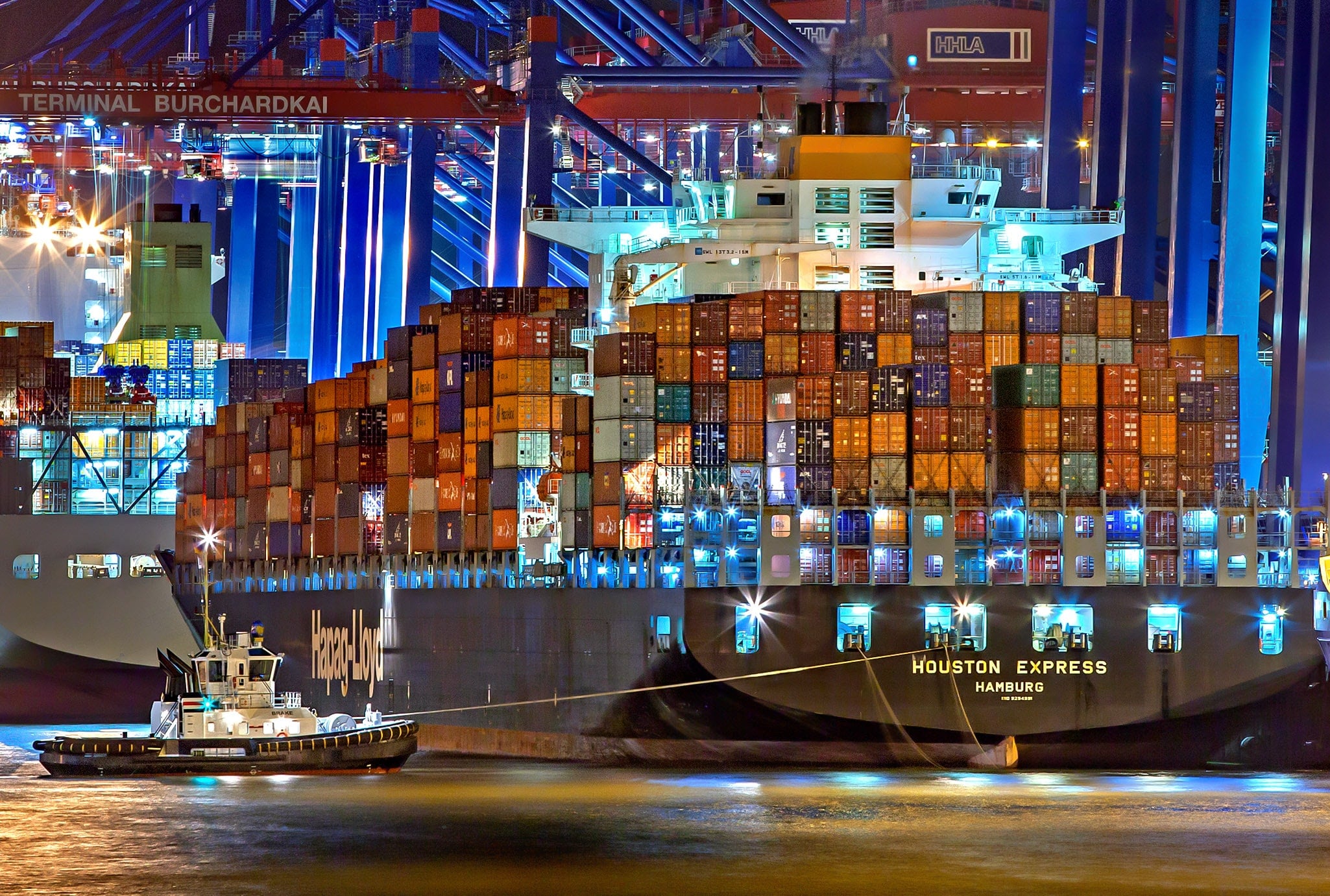
Technical Comparison: Intermodal Freight vs. Alternative Transport Modes
| Logistics Vector | Intermodal Transportation | Over-the-Road (OTR) Trucking | Air Freight Export/Import |
|---|---|---|---|
| Economic Scale | Optimal for >500 miles; Lowest cost/ton-mile | Cost-effective only for short-haul (<400 mi) | Premium cost; High rate per kilogram |
| Payload Capacity | Up to 42,500 lbs (Standard) / 47,000 lbs (Transloaded 53') | Strict state axle restrictions (~44,000 lbs) | Strict volumetric weight restrictions |
| Carbon Intensity | Lowest carbon footprint (~0.04 kg CO2/ton-mi) | High carbon intensity (~0.16 kg CO2/ton-mi) | Highest emissions (~0.80+ kg CO2/ton-mi) |
| Capacity Scalability | Unlimited rail car allocations & double-stack ramps | Subject to national truck driver shortages | Constrained by aircraft belly space/freighters |
| Customs Integration | In-Bond IT (Immediate Transportation) rail movements | Manual border check points | Fast-track customs; High entry fees |
Future Procurement Trends in Intermodal Transportation (2025–2030)
As global supply chains undergo rapid structural shifts, procurement leaders must anticipate key technological and regulatory trends impacting intermodal freight forwarding:
1. Nearshoring and the Expansion of USMCA Cross-Border Rail Corridors
The acceleration of manufacturing investments in Mexico (such as Monterrey, Querétaro, and Guadalajara) has elevated cross-border intermodal rail into a primary trade artery. Direct rail connections via Class-I carriers (such as CPKC and Union Pacific) allow seamless container transit from Mexican production plants through Laredo and El Paso directly into Midwest industrial centers without border transloading. Global buyers are leveraging G&B's cross-border customs expertise to streamline USMCA duty-free verification and clear customs in-bond.
2. Algorithmic Predictive Transloading & Dynamic Routing AI
Artificial intelligence is transforming how intermodal cargo is routed. AI-driven predictive logistics engines analyze port congestion metrics, ocean vessel speed, weather patterns, and rail yard dwell times in real time. If a West Coast port experiences labor delays, dynamic routing algorithms automatically re-route ocean vessels to Gulf Coast ports (e.g., Houston) and shift inland rail drayage accordingly, preventing costly supply chain stalls.
3. Carbon Accounting & Mandatory Scope 3 Emissions Transparency
With multinational corporations subject to international ESG mandates and ISO 14064 greenhouse gas reporting standards, intermodal transportation is transitioning from an optional cost-saving tactic to a compulsory corporate sustainability requirement. Electrified rail terminals, zero-emission drayage trucks, and bio-diesel locomotive engines enable enterprise buyers to transparently document and publish carbon reduction achievements per shipment.
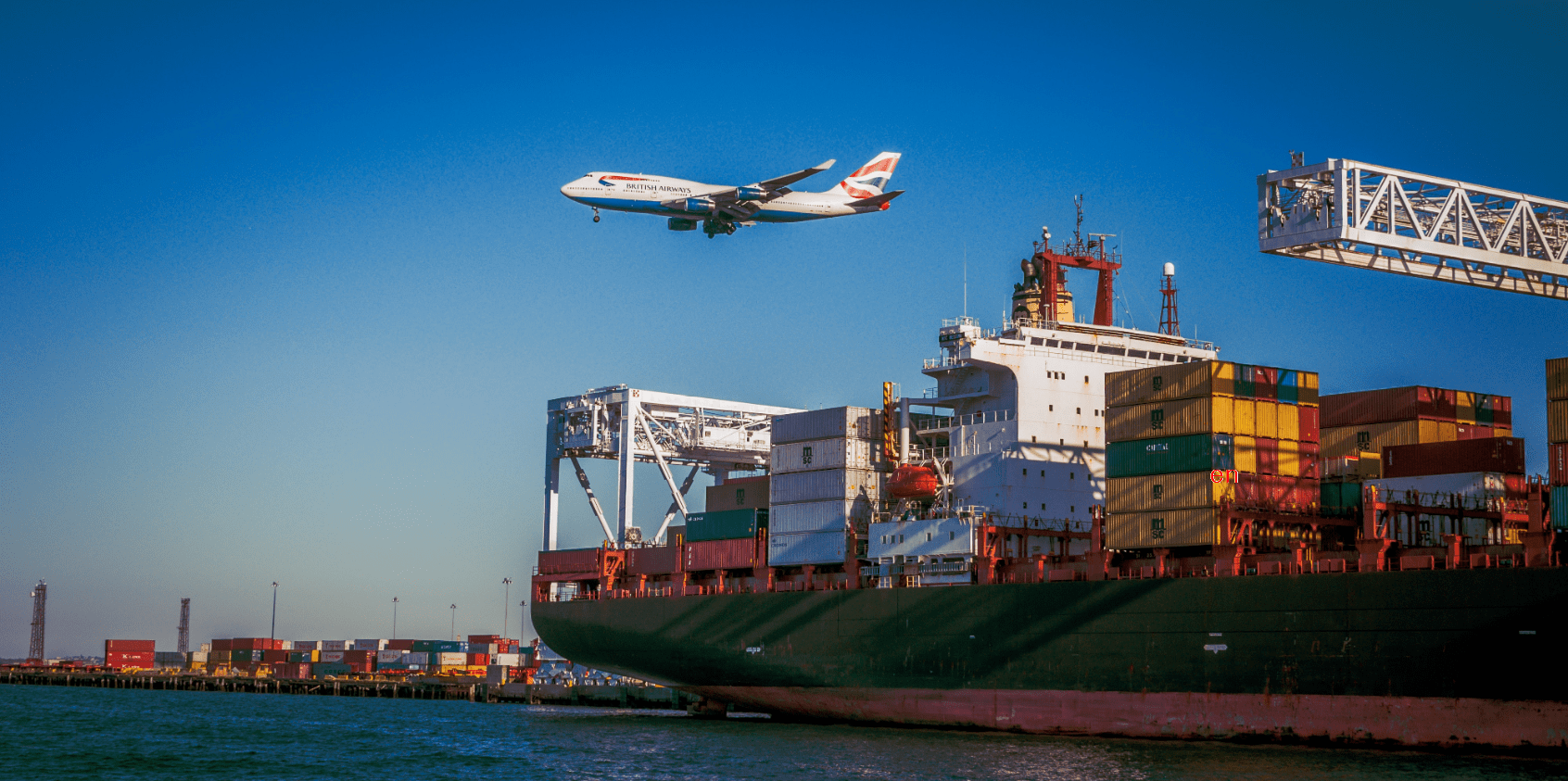
Industry Development & Macro-Economic Trajectory
The global intermodal transportation market is experiencing structural transformations driven by railway infrastructure modernization and regulatory reforms:
- Precision Scheduled Railroading (PSR 2.0): Class-I railroads are moving beyond aggressive cost-cutting to focus on scheduled reliability, fixed intermodal train departures, and dedicated container velocity. This improves ETA precision for enterprise buyers.
- Ocean Shipping Reform Act (OSRA) Compliance: Federal Maritime Commission oversight has tightened rules regarding unfair detention and demurrage charges. G&B’s FMC license (#4159N/F) safeguards clients against illegal billing practices by ocean carriers and rail terminal operators.
- Inland Port Expansion: Inland ports (such as the Global Third Park in Joliet/Elwood, Illinois) allow direct rail-to-warehouse transfers, bypassing congested city streets and reducing final-mile drayage expenses.
The G&B Advantage: 30 Years of Proven Logistics Authority
G&B International Logistics (Green & Blue Group) brings unmatched operational expertise to intermodal transportation:
- 1995: Founded in Chicago, IL—the premier intermodal rail hub of North America.
- 1996: Acquired FMC License (#4159N/F) as an authorized Ocean Freight Forwarder and NVOCC.
- 1997: Expanded gateway branch offices at Los Angeles International Airport (LAX) and New York (JFK).
- 2000: Secured FAA Membership and Dangerous Goods (D/G) Certificate (#A03043).
- 2001: Awarded ISA Certificate (#GL0110004) by U.S. Customs and Border Protection.
- 2003: Purchased our company-owned 50,000+ sq. ft. warehouse facility in Elk Grove Village, IL.
- 2006: Launched 4GL System, contracted vehicle logistics for SAM'S Club, and became an official logistics partner for KOTRA (Korea Trade-Investment Promotion Agency).