


Stay current with expert perspectives on global freight forwarding, ocean & air cargo trends, and US customs strategies.
Explore Services
In-depth analysis of warehousing solutions, e-commerce order fulfillment, and intermodal transport optimizations.
Learn More
Essential guides on compliance, US CBP regulations, and efficient ocean/air import-export operations.
Get StartedWarehousing and Distribution Services connect suppliers, storage facilities, transport teams, and customers. They cover more than placing cartons on shelves. A reliable operation receives goods, checks quantities, records locations, controls inventory, and prepares accurate shipments. In practice, this work keeps products moving when demand changes quickly. A retailer may need 500 units by Friday, while another order requires only six. Good systems handle both without confusion.
A warehouse can include receiving docks, racking, climate-controlled zones, packing benches, and loading bays. Staff may scan each pallet, inspect visible damage, and confirm batch details before dispatch. Software then links stock counts with purchase orders and delivery schedules. These steps reduce misplaced items, delayed orders, and costly rework. However, technology is not a complete answer. Poor training, unclear labels, or rushed checks can still create errors. This limitation deserves attention.
Choosing a provider requires more than comparing storage rates. Businesses should review accuracy records, security controls, handling procedures, insurance, service coverage, and communication standards. Experienced teams explain how they manage peak seasons, returns, fragile goods, and delivery exceptions. They also document responsibilities clearly. This evidence supports informed decisions and builds trust. Still, no provider can promise perfect performance. Weather, demand surges, and human mistakes remain possible. The strongest partnership measures results, learns from failures, and improves steadily. This guide explains the service clearly, while recognizing that each supply chain needs a practical, carefully tested approach.
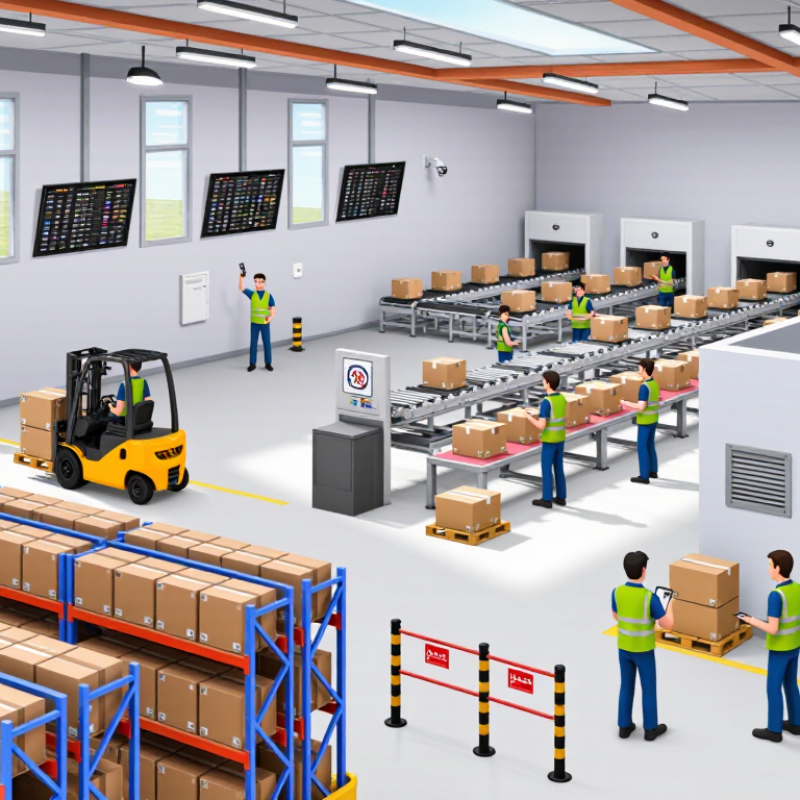
Warehousing and distribution services manage the storage, handling, and movement of goods. Warehousing focuses on receiving products, checking quantities, storing inventory, and preparing orders. Distribution connects stored goods with retailers, businesses, or customers through planned transportation. Together, these services create a controlled path from supplier to final delivery point.
Their role is more than keeping boxes on shelves. A well-run warehouse uses labeled locations, barcode scans, stock counts, and suitable storage conditions. Workers may move cartons from an inbound dock to a picking area within hours. Distribution teams then select delivery routes, schedule vehicles, and track shipment status. These controls reduce misplaced inventory, delivery delays, and unnecessary handling costs. Accurate inventory data also helps businesses decide when to reorder.
The process is not flawless. Forecasts can miss seasonal demand, and a damaged label may still cause an incorrect shipment. Regular cycle counts, staff training, and documented inspection procedures help expose these weaknesses. Reliable providers also monitor order accuracy, storage time, delivery performance, and damage rates. Experience matters because a warehouse layout that works for small parcels may fail with heavy or fragile goods. Safety, traceability, and clear communication should guide every movement, even when daily operations become crowded.
Warehousing and distribution services connect incoming goods with the customers who need them. The process begins at receiving, where workers check quantities, packaging, labels, and visible damage. Clear records matter here. A small counting error can affect every later shipment.
After receiving, staff assign storage locations based on product size, demand, and handling requirements. Putaway should keep fast-moving items near packing stations. Inventory systems record each movement, but technology cannot replace physical checks. Cycle counts help identify misplaced stock before orders are delayed. Clean aisles, stable shelving, and controlled access also support safe daily operations.
Order fulfillment includes picking, verification, packing, and dispatch. Workers may scan each item, compare it with the order, and choose suitable protective materials. The packing stage needs practical judgment. Excess material wastes space, while weak protection can cause damage during transport. Distribution teams then confirm addresses, shipping documents, and handover details. Returns processing is another key function, involving inspection, condition grading, and accurate inventory updates. No warehouse is flawless. Even experienced teams may miss a damaged carton during a busy shift. Reviewing near-misses, customer feedback, and stock discrepancies keeps the process improving.
Warehousing and distribution services now extend far beyond storing cartons on metal racks. Public warehouses offer flexible space for seasonal inventory, while private facilities support stable, high-volume operations. Contract warehousing combines storage, labor, packing, and transport coordination under a tailored agreement.
Cross-docking reduces storage time by moving incoming pallets directly to outbound vehicles. Fulfillment centers handle smaller orders, often using barcode scanning, zone picking, and automated sorting. Cold-chain warehouses add temperature monitoring for food, medicine, and other sensitive products.
The right model depends on order frequency, product risk, delivery distance, and required control.
The 2024 MHI Annual Industry Report found that 55% of supply chain leaders planned to increase investment in technology and innovation.
That shift is visible in daily operations: a worker scans a carton, software assigns a location, and a conveyor directs it toward dispatch. Distribution centers may support regional replenishment, direct-to-consumer fulfillment, or last-mile delivery.
The 2024 CSCMP State of Logistics Report measured United States business logistics costs at about 8.8% of economic output in 2023, showing why location and inventory accuracy matter.
Yet automation is not always the best answer. Small warehouses can lose money when complex systems exceed their order volume. I have seen careful manual checks prevent errors that dashboards missed.
The uncomfortable part is that “real-time” data can still be incomplete. A delayed scan may quietly distort stock decisions.
Warehousing teams should test service levels, shrinkage, labor hours, and delivery accuracy before changing the entire network.
What Is Warehousing and Distribution Services?
Warehousing and distribution services connect suppliers, storage facilities, carriers, and customers. Goods move through a planned network, not a single building. A delivery truck may arrive at 7 a.m. Workers check quantities, packaging, and visible damage. They record each item before placing it in an assigned location. Clear labels reduce searching time. Accurate records matter.
When an order arrives, warehouse staff locate the products through inventory software or barcode scans. Pickers gather items along defined routes. Packers check product codes, quantities, and shipping details. The completed cartons then move to a dispatch area. There, shipments are grouped by destination, service level, or delivery window. Temperature-sensitive goods may require monitored storage and documented handling.
Small mistakes can travel far. A missed scan may create an inventory gap and delay a customer order. Rushed picking can also cause unnecessary returns. The process is not flawless. Regular cycle counts, equipment checks, and staff training help expose weak points. Distribution teams often review delivery times, damage rates, and order accuracy. These figures reveal patterns, but they do not explain everything. A quiet warehouse can still hide poor labeling or unsafe shortcuts. Careful observation remains essential.
Warehousing and distribution services connect inventory with customers. They may include receiving, storage, picking, packing, shipping, and returns. A capable provider can reduce internal workload and improve delivery consistency.
The 2024 Annual Industry Report from a leading material-handling association found that 88% of supply-chain professionals planned to increase technology investment within two years. This reflects a practical shift toward warehouse management systems, scanning tools, and automation.
The benefits are measurable when operations are designed carefully. Real-time stock visibility can reduce overselling and emergency replenishment. Faster picking can improve order turnaround, especially during seasonal demand. However, storage fees, handling charges, minimum volumes, and return-processing costs can weaken savings.
Ask for a complete rate sheet. Small charges accumulate quickly. The World Bank’s 2023 Logistics Performance Index also shows that reliability depends on more than transport speed; tracking, customs processes, infrastructure, and delivery timeliness all influence logistics performance.
Businesses should compare service-level agreements, inventory accuracy targets, insurance limits, and system-integration requirements. Visit the facility if possible. Look at damaged cartons, aisle congestion, labeling, and cycle-count procedures. A warehouse may appear efficient during a quiet tour but struggle during peak weeks.
Data security and business continuity also require attention. No provider removes every operational error. Forecasts can still be wrong, and a single delayed inbound shipment can empty a fast-moving location. This is where contingency stock, backup carriers, and regular performance reviews become valuable, though they add cost.
They may include receiving, storage, picking, packing, shipping, and returns. These activities connect suppliers, facilities, carriers, and customers. The network is larger than one building.
Workers check quantities, labels, packaging, and visible damage. They record the shipment before assigning storage locations. A small counting error can affect later orders.
Staff consider product size, demand, and handling needs. Fast-moving items usually stay near packing stations. Clean aisles and stable shelving support safer work.
Scanners and inventory systems record product movements. Cycle counts help find misplaced stock before orders are delayed. Technology helps, but physical checks remain necessary.
Workers pick items, verify codes and quantities, pack cartons, and prepare dispatch. Defined picking routes can reduce unnecessary walking. Rushed picking still causes avoidable returns.
Packaging should protect products without using excessive material. Weak protection can cause damage during delivery. Too much material wastes space and money.
Compare service agreements, storage fees, handling charges, accuracy targets, and insurance limits. Ask for a complete rate sheet. Small charges accumulate quickly.
Returns require inspection, condition grading, and accurate inventory updates. Teams should review delivery times, damage rates, and stock discrepancies. Quiet operations can hide weak labeling or unsafe shortcuts.
No warehouse is flawless. A busy worker may miss a damaged carton or scan. Reviewing near-misses and customer feedback supports improvement, though forecasts can still be wrong.
Warehousing and Distribution Services are essential parts of the supply chain that help businesses store, organize, manage, and deliver goods efficiently. Warehousing focuses on receiving products, checking inventory, storing items safely, preparing orders, and coordinating shipments. Distribution extends this process by moving goods from storage facilities to retailers, commercial customers, or end users through carefully planned transportation networks.
These services may include public or private warehousing, contract storage, fulfillment, cross-docking, temperature-controlled storage, and regional distribution. Goods typically move through a series of steps: arrival, inspection, inventory recording, order processing, picking, packing, dispatch, and final delivery. When properly managed, Warehousing and Distribution Services can reduce delivery times, improve inventory accuracy, lower operating costs, and increase customer satisfaction. However, businesses must also consider storage capacity, transportation reliability, technology, security, labor requirements, product handling conditions, and changing demand. A well-designed system balances efficiency, flexibility, and service quality while supporting steady business growth.