
Logistics Insights & News — G&B International Logistics

Logistics & Supply Chain Blog

Stay current with expert perspectives on global freight forwarding, ocean & air cargo trends, and US customs strategies.

Explore Services
Global logistics management — G&B International Logistics

Global Trade Trends

In-depth analysis of warehousing solutions, e-commerce order fulfillment, and intermodal transport optimizations.

Learn More
Ocean cargo shipping — G&B International Logistics

Customs Clearance Updates

Essential guides on compliance, US CBP regulations, and efficient ocean/air import-export operations.

Get Started
0%

Choosing the best China ocean freight forwarder depends on more than a low quotation. Ocean Import Forwarding involves booking space, checking cargo documents, coordinating factory pickup, and managing port deadlines. A reliable partner should explain each step clearly, especially when schedules change.

Lars Jensen, an independent container-shipping analyst, has said, “The ocean freight market is highly volatile.” That reality makes experience essential. A forwarder may offer an attractive rate, yet provide weak communication after the container leaves Shanghai, Ningbo, or Shenzhen. Strong providers share booking confirmations, vessel updates, bill of lading details, and arrival notices without repeated requests. They also understand destination charges, customs coordination, free time, and demurrage exposure.

Look for evidence, not polished promises. Ask how the company handles rolled bookings, missing documents, port congestion, and delayed delivery appointments. Request recent performance data when possible. Reviews from importers with similar cargo can reveal more than a sales presentation.

No forwarder is perfect. Even experienced teams make mistakes. The important question is how quickly they identify and correct them. A dependable partner keeps a clear record, explains costs before approval, and protects your delivery schedule with realistic planning. The cheapest option may fail here.

This guide examines service coverage, pricing transparency, technology, communication, and operational experience. It also considers whether a forwarder can support small shipments, regular container volumes, or specialized handling requirements. The best choice is practical, responsive, and accountable. That standard matters more than a memorable slogan.
What Is the Best China Ocean Freight Forwarder?

Defining the Role of a China Ocean Freight Forwarder

What Is the Best China Ocean Freight Forwarder?

Defining the Role of a China Ocean Freight Forwarder

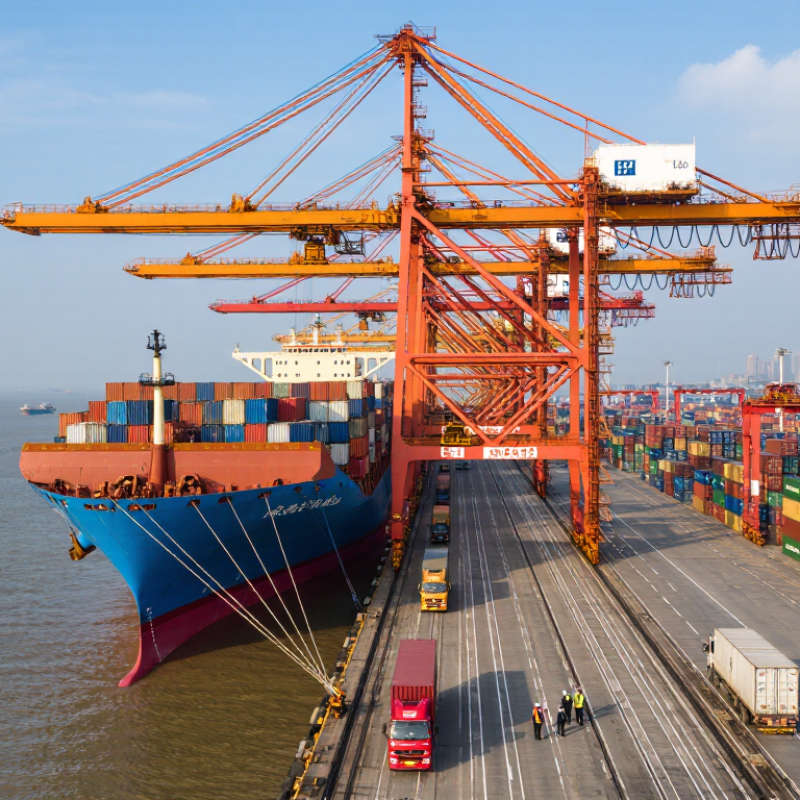
A China ocean freight forwarder coordinates the movement of cargo from suppliers to overseas ports. The work begins before loading. A reliable forwarder checks cargo details, shipping terms, packing conditions, and port deadlines. They compare suitable sailing schedules and explain realistic transit times.

On a typical shipment, the forwarder arranges pickup from a factory warehouse. They verify container space, prepare transport documents, and track milestones through departure. If a vessel schedule changes, they should communicate quickly. Clear updates matter when production plans depend on one container.

Small details often decide the experience. A missing carton count can delay document review. An incorrect weight may create extra handling problems. Experienced forwarders notice these risks early and keep records for each shipment. They also understand that procedures differ between ports and destination countries.

No forwarder is perfect.

The best choice is not always the cheapest quote. A low price can hide limited support, unclear charges, or weak follow-up. Reliable service requires transparent communication and practical knowledge. It also requires admitting uncertainty when information changes. I have found that honest advice is more valuable than confident promises, although some recommendations still deserve careful checking. A professional forwarder connects factories, carriers, warehouses, and import teams while keeping every responsibility visible.

Key Factors for Evaluating Freight Forwarders in China

What is the best China ocean freight forwarder? The practical answer depends on your lane, cargo, and tolerance for delay. Ocean shipping carries over 80% of global merchandise trade by volume, according to UNCTAD’s Review of Maritime Transport 2024. That scale makes selection a process, not a popularity contest. A useful forwarder should explain port options, transshipment risks, cut-off times, and local pickup details in plain English. Short answers are valuable.

Evaluate measurable performance. Ask for 12 months of on-time departure and arrival data for your China-to-destination lane, not a global average. Check booking confirmation speed, equipment access, roll-over frequency, document accuracy, and milestone visibility. The World Bank’s 2023 Logistics Performance Index assessed 139 economies across customs, infrastructure, logistics competence, tracking, and timeliness. These factors matter at the warehouse door. A dashboard may look impressive. Missing events still create phone calls.

Test the commercial offer line by line. Separate ocean freight from origin charges, documentation, terminal handling, delivery, insurance, and detention exposure. Request named escalation contacts and a written exception procedure. Speak with two recent customers handling similar volumes. I would also review claims records and invoice corrections. No scorecard is perfect; my early comparisons sometimes overvalued price and undervalued recovery speed. A rolled booking reveals more than a polished sales presentation.

Comparing Services, Routes, Pricing, and Transit Times

Choosing the best China ocean freight forwarder depends on your cargo, destination, and delivery priorities. A reliable comparison should examine services, routes, pricing, and transit times together. In my experience, clear communication matters as much as the ocean rate. Ask whether the forwarder handles booking, export documentation, consolidation, customs coordination, and final delivery. Responsibility should be stated in writing.

Routes can change the result significantly. Direct sailings often provide shorter transit times, while transshipment routes may cost less. Ports near the supplier can reduce inland trucking expenses, but they may not offer the best sailing frequency. Request schedules for several departure ports. A seven-day difference can affect inventory planning and customer commitments.

Pricing should include more than the base freight charge. Check origin handling, documentation, terminal fees, fuel adjustments, destination charges, and delivery costs. Ask for a complete quotation with its validity period. Transit estimates also need careful reading. “Twenty-five days” may exclude port delays, customs processing, or warehouse handling. A practical forwarder explains these limits instead of promising perfect timing. My own estimates are not always perfect, especially during peak seasons or weather disruptions. That is why I prefer a small time buffer and regular shipment updates. Short answers are useful. Vague answers are not.

Checking Compliance, Reliability, and Customer Support

What Is the Best China Ocean Freight Forwarder?

Choosing the best China ocean freight forwarder requires more than comparing a low quote. A reliable partner should show valid business credentials, clear cargo procedures, and trained staff. Ask how it checks shipping documents, declared cargo details, and destination requirements. Request written explanations for surcharges, transit estimates, and insurance limits. Vague answers create expensive problems later. Compliance is not a box to tick once. It needs regular review as routes, ports, and regulations change. A professional forwarder should welcome these questions, not treat them as distrust.

Tips: Test reliability with a small, ordinary shipment before assigning urgent cargo. Check whether booking confirmations match the final invoice. Ask for milestone updates at departure, transshipment, and arrival. Contact two recent customers, if permission is available. Their comments may reveal missed messages or unexplained delays. Also inspect the service agreement carefully. It should define responsibilities, claims handling, storage charges, and response times. No checklist is perfect. Real operations can still surprise you.

Customer support becomes most visible when a container is delayed or documents need correction. Look for a named contact, backup coverage, and service outside local office hours. Clear English matters, but so does concise reporting. Good updates state what happened, what is being done, and when the next update will arrive. Ask how problems are escalated. One weakness deserves honest attention: some forwarders promise fast replies but lack weekend coverage. That gap may be acceptable for routine cargo, yet risky for time-sensitive supply chains. Choose support that fits your actual shipping rhythm.

Choosing the Best Forwarder for Your Shipping Needs

Choosing the best China ocean freight forwarder starts with your shipment, not a generic ranking. A forwarder should understand your cargo type, origin city, destination port, delivery schedule, and budget. Experience matters when a factory changes its loading date or a vessel schedule shifts unexpectedly. Ask how the team handles these situations.

I look for clear quotations with ocean freight, terminal fees, documentation charges, and possible surcharges listed separately. Hidden costs can damage a carefully planned margin.

The forwarder should explain booking procedures, container options, transit times, and customs documentation in plain language. They should also provide shipment tracking and a named contact who responds during working hours.

Small details matter. Request recent performance data, such as on-time departure rates and claims handling records, rather than relying on polished promises.

Reliability is easier to judge through evidence. Check business credentials, cargo insurance options, written service terms, and references from companies with similar shipping volumes.

A professional forwarder should verify commercial invoices, packing lists, and product descriptions before departure. This reduces avoidable delays.

I once focused too heavily on a low quotation and overlooked slow communication; the final cost included storage and missed production time. That mistake still shapes my selection process.

The cheapest option may not protect your schedule. Compare response quality, operational knowledge, and problem-solving ability before signing a service agreement.

FAQS

What should I compare when choosing an ocean freight forwarder?

Compare services, routes, total pricing, transit times, and communication quality. A low ocean rate may hide extra charges.

Which services should a forwarder clearly provide?

Confirm booking, export documents, cargo consolidation, customs coordination, and final delivery. Get every responsibility in writing.

How can shipping routes affect costs and delivery times?

Direct sailings usually arrive faster. Transshipment routes may cost less but add handling and delay risks.

Should I request schedules from different departure ports?

Yes. Nearby ports can reduce inland trucking costs, but sailing frequency may be weaker. A seven-day difference can disrupt inventory planning.

What charges should a complete quotation include?

Check freight, origin handling, documentation, terminal fees, fuel adjustments, destination charges, and delivery costs. Ask about quotation validity.

Are stated transit times always reliable?

Not always. “Twenty-five days” may exclude port delays, customs processing, or warehouse handling. Keep a small buffer.

How can I test a forwarder’s reliability?

Start with a small, ordinary shipment. Compare booking confirmations with the final invoice and request milestone updates.

What customer support should I expect during delays?

Look for a named contact, backup coverage, and clear escalation procedures. Updates should explain the problem, action, and next update time.

How can I check compliance and service responsibilities?

Request business credentials, document procedures, claims terms, storage charges, insurance limits, and response times. Review them regularly.

What weaknesses should I consider before choosing a forwarder?

Some teams promise fast replies but lack weekend coverage. That may suit routine cargo, not urgent supply chains. No checklist catches everything.

Conclusion

Choosing the best China ocean freight forwarder requires more than comparing basic shipping prices. A reliable forwarder coordinates cargo pickup, export documentation, port handling, customs procedures, vessel bookings, and final delivery, helping businesses manage the entire Ocean Import Forwarding process efficiently. When evaluating providers, consider their experience with your trade routes, available service options, transit time estimates, pricing transparency, and ability to handle different shipment volumes.

It is also important to review a forwarder’s compliance practices, operational reliability, communication standards, and customer support. Clear documentation, accurate schedules, responsive updates, and practical solutions for delays can significantly reduce shipping risks. The best choice depends on your product requirements, destination, budget, delivery expectations, and preferred level of service. By comparing several qualified providers and confirming their capabilities in advance, you can select a dependable logistics partner that supports smooth, predictable, and cost-effective international ocean transportation.

Elowen

Elowen

Elowen is a skilled marketing professional and a dedicated contributor to the company’s knowledge platform. With a strong understanding of the company’s products, customer needs, and evolving market trends, Elowen creates clear, practical, and insightful blog content that helps readers make......