
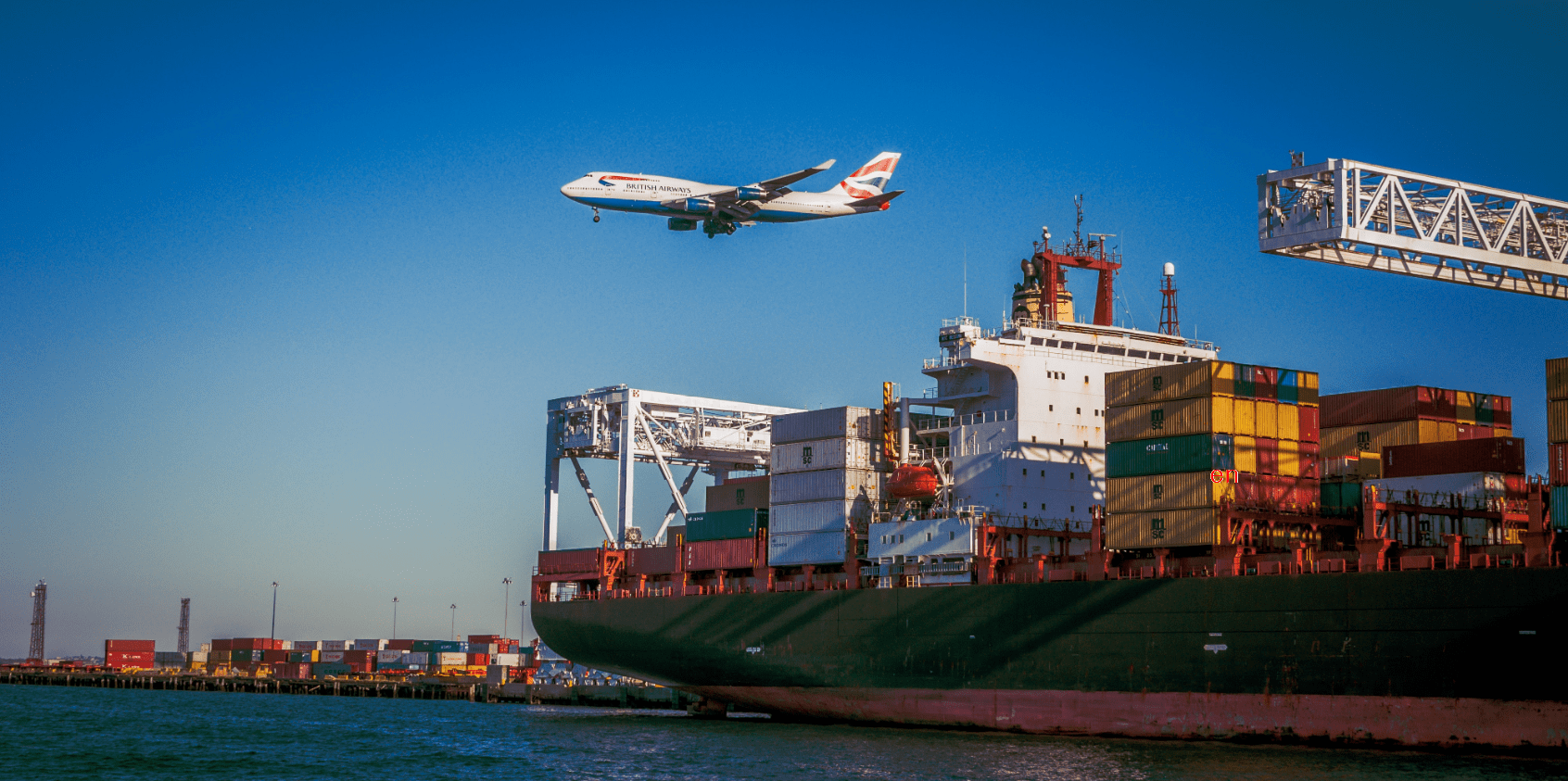
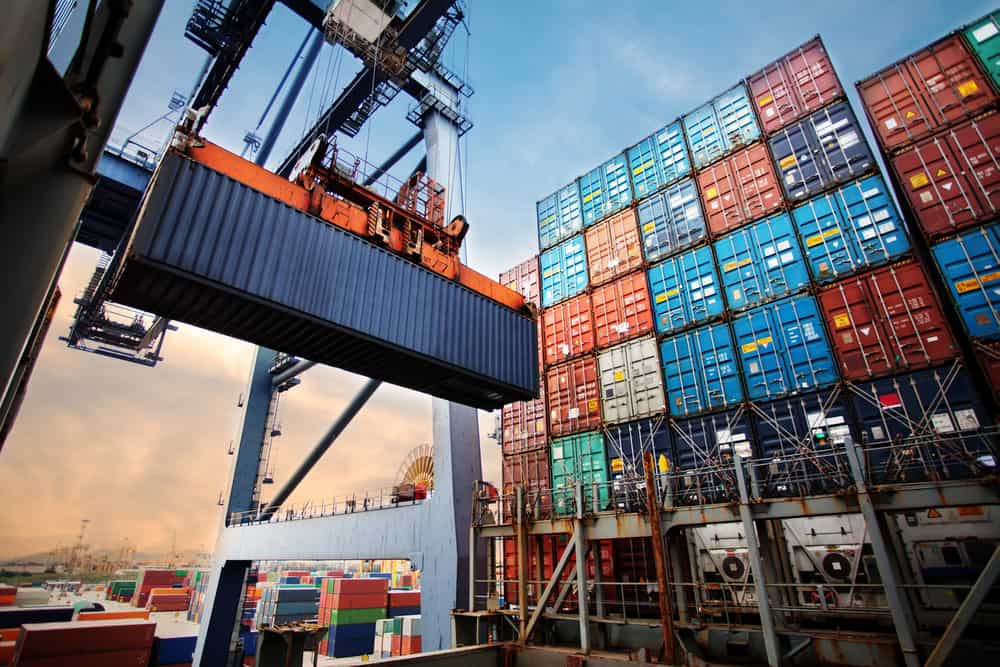
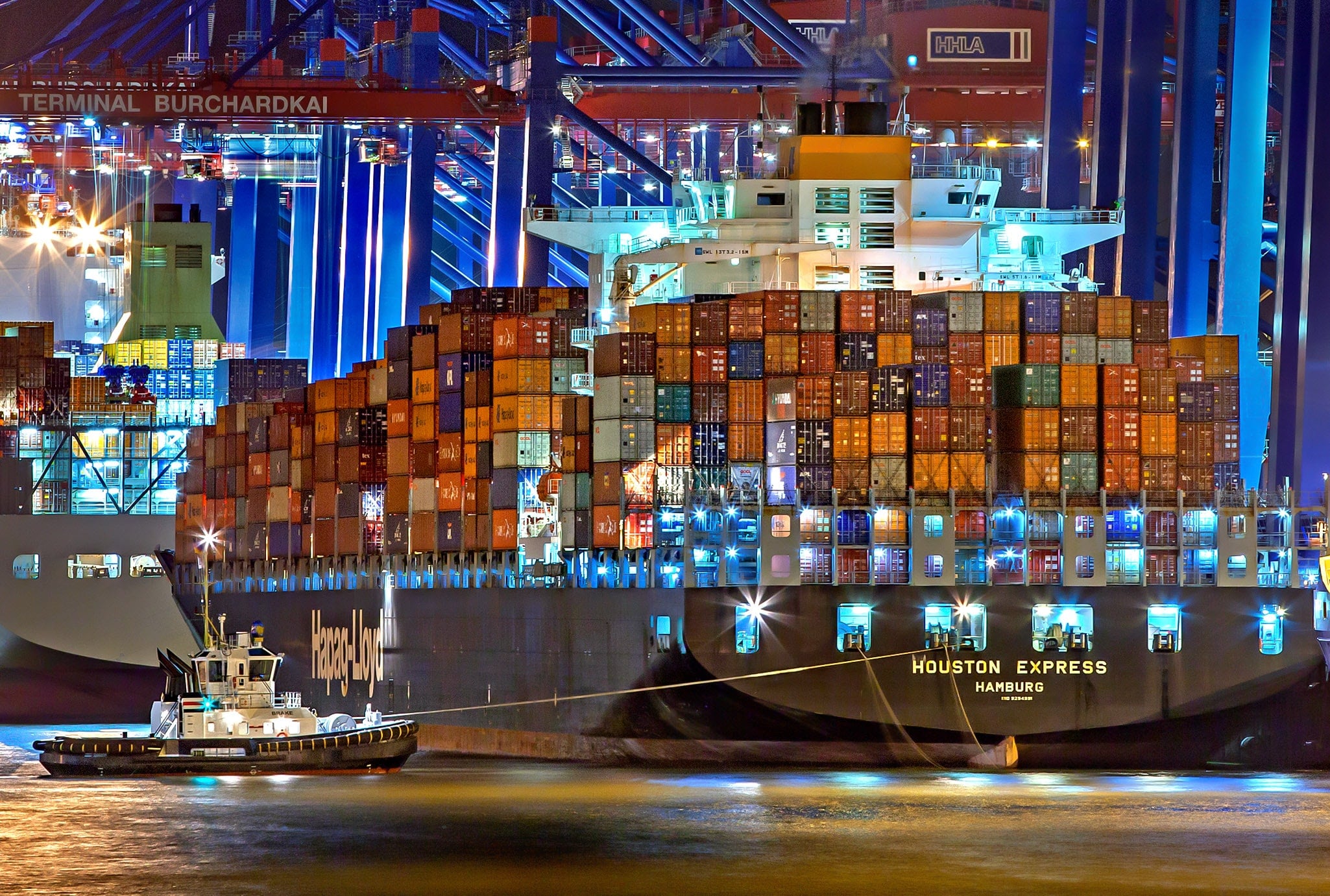
Explore our flagship freight forwarding services, specialized ISO container fleets, and certified multimodal transport options designed for global factory procurement.
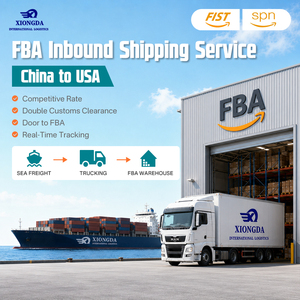
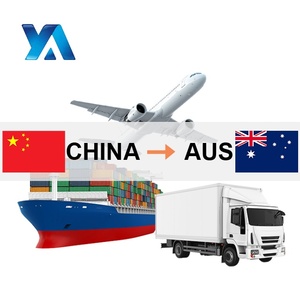
In modern industrial logistics, procurement managers and factory supply chain directors face a persistent trade-off: the ultra-high velocity of direct air freight versus the economical but time-extended nature of pure ocean freight. CE Certified Sea-Air Multimodal Transport represents a sophisticated operational compromise—a hybrid freight model designed to achieve 50% to 60% of direct air freight speed at less than 40% of the overall cost.
As international supply chains shift toward agile manufacturing and zero-inventory frameworks, factory-to-door multimodal transit has emerged as a strategic necessity. By combining fast ocean vessel legs across primary maritime lanes with strategic transshipment hub transfers onto dedicated air cargo freighters, global manufacturing enterprises can stabilize inventory lead times while mitigating carbon footprints and freight volatility.
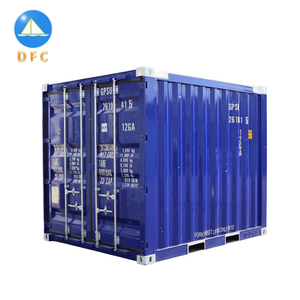
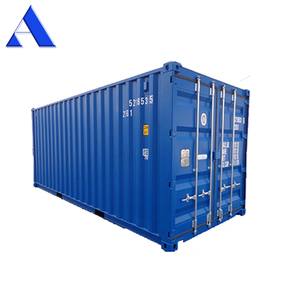
The term CE Certified Multimodal Transport refers to the strict adherence of shipping hardware, structural intermodal containers, lifting gear, and digital control systems to European Health, Safety, and Environmental Protection directives. Factory-grade shipping containers—ranging from standard 20GP/40HC units to specialized offshore flat racks (DNV 2.7-1 certified)—must undergo rigorous structural testing to handle the mechanical stresses of multi-modal transfer crane cycles, high-G air turbulence loading, and dynamic rail-switches.
| Transport Mode / Metric | Direct Air Freight | Sea-Air Multimodal Bridge | Standard Ocean FCL |
|---|---|---|---|
| Average Lead Time (Asia to EU/US) | 3 – 5 Days | 11 – 14 Days | 30 – 45 Days |
| Relative Cost Index | 100% (Baseline Max) | 35% – 42% | 12% – 18% |
| Carbon Emissions (gCO2/ton-km) | ~500 g | ~140 g – 180 g | ~15 g – 25 g |
| Customs Risk & Inspection Rate | Low (Express Clear) | Minimal (Pre-cleared Hubs) | Moderate (Port Congestion) |
| Inventory Holding Cost Impact | Lowest | Optimized Moderate | High Capital Lock-up |
Factories shipping capital goods or precision components require hardware engineered to strict internationally recognized standards:
Established in 1995 in Chicago, Illinois, G & B International, Inc. (Green & Blue Group) has spent nearly three decades building a world-class global logistics ecosystem. Headquartered in Wood Dale, Illinois (940 N. Central Ave. Suite 201), G&B operates as a fully certified, licensed, and vertically integrated 4th Generation Logistics (4GL) provider.
For factory buyers and global manufacturers, enterprise trust is rooted in legal compliance, physical infrastructure, and regulatory licensing. G&B maintains an unmatched portfolio of institutional credentials:
Licensed by the Federal Maritime Commission (FMC License #4159N/F) in Washington, D.C. as a certified Ocean Freight Forwarder and Non-Vessel Operating Common Carrier.
Holder of U.S. Customs ISA Certificate (#GL0110004), granting expedited entry processing, reduced audit friction, and prioritized customs clearance across U.S. ports.
Certified for Dangerous Goods handling (D/G Certificate #A03043) and fully affiliated with the FAA for safe, compliant high-priority air freight movement.
Strategic logistics hub in Elk Grove Village, IL, providing bonded storage, cross-docking, container devanning, and last-mile distribution centers.
Dedicated airport gateway offices at Los Angeles International (LAX) and New York (JFK), ensuring seamless ocean-to-air transshipment supervision.
Official overseas logistics partner for KOTRA and contracted logistics manager for global mega-retailers (e.g., SAM'S Club vehicle logistics system).
Modern multimodal logistics cannot operate efficiently on legacy tracking systems. G&B’s proprietary 4th Generation Logistics (4GL) system integrates real-time satellite telemetry, automated EDI port updates, and warehouse management portals (WMS). This architecture provides enterprise procurement teams with end-to-end milestone visibility—from origin factory loading, vessel stowage, transshipment airport tendering, to final warehouse delivery.
Multinational factory brands are facing stringent regulatory mandates to measure and reduce Scope 3 carbon emissions within their international supply chains. Pure air freight represents one of the highest carbon-intensity modes in global commerce. Transitioning high-frequency air shipments to structured Sea-Air corridors allows enterprise procurement teams to instantly reduce carbon emissions per ton-kilometer by up to 65%, while maintaining production schedules and market responsiveness.
Leading multimodal logistics providers now utilize AI-driven route engines that dynamically analyze port congestion indices, ocean carrier reliability, air freight spot capacity, and weather patterns. By continuously predicting bottlenecks across sea-air transshipment hubs (such as Dubai, Singapore, LAX, or Frankfurt), systems automatically re-route containers to fast-track air legs before sea vessel delays accumulate.
Customs authorities worldwide are expanding Authorized Economic Operator (AEO) and Import Self-Assessment (ISA) frameworks. Factories sourcing components via AEO-certified freight forwarders benefit from expedited customs clearance, reduced physical inspection frequencies, and priority handling during global supply chain disruptions.
As factory production decentralizes across Southeast Asia, India, Mexico, and Eastern Europe (the Nearshoring & China-Plus-One shift), procurement leaders must adapt their freight acquisition models. Over the next decade, three key structural shifts will define multimodal transport procurement:
Addressing the critical semantic and technical questions encountered by procurement professionals when deploying CE certified multimodal transport solutions.
In the context of multimodal transport, CE Certification confirms that shipping hardware, specialized containers, lifting gear, and automated cargo handling equipment comply with relevant European Union health, safety, and environmental protection directives (such as the Machinery Directive 2006/42/EC and Pressure Equipment Directive). This ensures that transport hardware can safely handle intense mechanical forces during intermodal transfers between ocean vessels, railway flatcars, and air cargo ramps without structural failure.
The Sea-Air service model leverages high-capacity ocean shipping for the long ocean leg (e.g., from primary manufacturing ports in Asia to strategic transshipment hubs), where cost per ton-kilometer is exceptionally low. At the hub, cargo is cross-docked within a customs-free zone directly to an international airport and flown via air cargo to the destination continent. This cuts total ocean transit time by over 50% while saving 50-60% compared to direct all-air freight.
Federal Maritime Commission (FMC License #4159N/F) licensing ensures that the freight forwarder is legally bonded, compliant with international maritime law, and authorized to issue legally binding Bills of Lading. U.S. Customs ISA (Import Self-Assessment Certificate #GL0110004) status certifies that the forwarder maintains top-tier compliance protocols, resulting in drastically lower customs hold rates, prioritized document processing, and immunity from routine customs audits.
Yes, provided the freight forwarder holds certified Dangerous Goods operation capability (such as G&B’s D/G Certificate #A03043) and FAA membership. Hazardous cargo must meet both IMO International Maritime Dangerous Goods (IMDG) standards for the sea leg and ICAO/IATA Dangerous Goods Regulations for the air leg, requiring specialized packaging, UN-approved containers, and dual-mode dangerous goods declarations.
Utilizing a dedicated, company-owned bonded warehouse facility near major logistics hubs (such as Chicago O'Hare and major rail ramps) enables importers to defer duty payments until cargo enters U.S. commerce. It also facilitates immediate container devanning, specialized labeling, Amazon FBA pallet prep, and rapid regional distribution without incurring third-party storage markups or demurrage penalties.
The choice depends on cargo volume, urgency, and inventory value:
Consult with our senior supply chain engineers to design a tailored CE-compliant Sea-Air routing model, request container hardware specifications, or obtain instant NVOCC freight quotes.