CE & ISO Certified Eco-Logistics Solutions
Explore our premium range of low-carbon container units, multi-modal freight services, and certified offshore logistics equipment engineered for decarbonized trade routes.
DDP / DDU Eco-Route
DDP DDU LCL Container Cargo Sea Shipping Logistics Service Freight Forwarder China to Canada Sea Shipping Agent
Route: China to Canada Gateway
Mode: LCL Eco-Consolidation
Compliance: Custom Duty & Tax Cleared
Contact Us
Express Intermodal
Cheapest Air Sea DDP LCL International Logistics Service Top 10 China to USA UK Canada Express Freight Forwarder Shipping Agent
Coverage: USA, UK, Canada, EU
Speed: Hybrid Air/Sea Fast-Transit
Tracking: Real-time WMS Integration
Contact Us
FCL Ocean Corridor
Sea Freight Shipping Agent DDP Shipping to Europe Denmark FCL Full Container Shipping Freight Forwarder Sea Shipping Agent
Destination: Denmark & Nordic Hubs
Volume: 20GP / 40GP / 40HQ FCL
Carbon Metric: IMO 2030 Tier-III Carrier
Contact Us
DNV 2.7-1 Heavy Duty
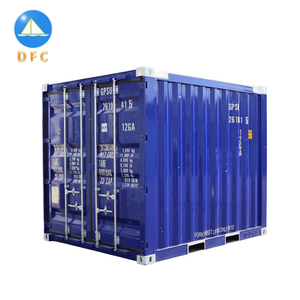
High Quality Dnv Certified 10ft 20ft 40ft Offshore Flat Rack Shipping Container For Industrial Project Logistics Customized
Certification: DNV 2.7-1 / EN12079
Sizes: 10ft, 20ft, 40ft Offshore
Payload: Heavy Industrial Custom
Contact Us
Global Carrier Fleet
Professional Sea Shipping Agent FCL Logistics Services Full Container Load Shipping to USA Canada Europe Australia Worldwide
Network: Worldwide Transoceanic
Brokerage: FMC Licensed NVOCC
Safety: ISO 9001 / Security First
Contact Us
E-Commerce Prime
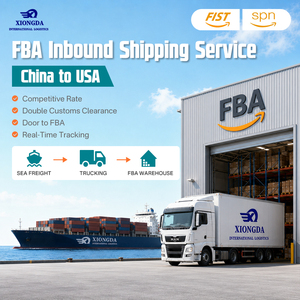
Cheap And Reliable Logistics Services Freight Forwarder Sea Shipping Agent From China To USA Amazon FBA Inbound Shipping Service
Specialization: Amazon FBA Inbound
Service: Door-to-FC Direct Injection
Feature: Automated Palletizing
Contact Us
AEO Accredited Rail
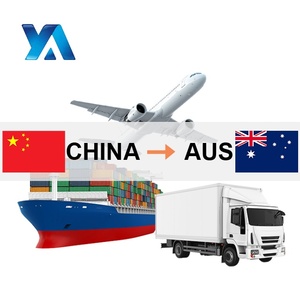
Aeo Certified Freight Forwarder to Australia Rail Transport 20gp Full Container Load Sea Shipping Service
Status: AEO Tier-1 Customs Status
Transport: Rail-Ocean Intermodal
Target: Australian Port Terminals
Contact Us
ISO Corten Steel
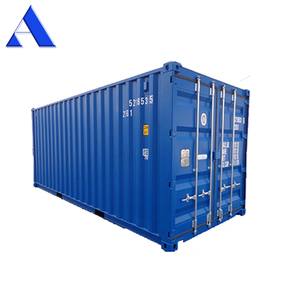
Brand NEW Stock ISO Standard Sea Transportation Empty 6m 20 Feet Length Dry Cargo 20ft Shipping Container For Sale
Standard: ISO 1496-1 / CE Marked
Material: SPA-H Corten Anti-Corrosive
Condition: Brand New Cargo Worthy
Contact Us
30+
Years Operational Expertise
140+
Global Gateways Served
-42%
Scope 3 CO2 Intensity
Industrial Whitepaper: Architecting Decarbonized Global Logistics Systems
The global trade ecosystem is undergoing a fundamental structural transition. As regulatory frameworks such as the European Union’s Carbon Border Adjustment Mechanism (CBAM) and the International Maritime Organization’s (IMO) revised GHG Strategy enforce stringent emission limits, multinational procurement officers are forced to evaluate freight forwarders not merely on transit velocity and cost per FEU, but on verifiable carbon auditing, CE-certified structural equipment, and end-to-end Scope 3 footprint reduction.
A CE Certified Sustainable Green Logistics Factory & Supplier functions as a critical nexus in modern resilient supply chains. The integration of structural eco-design—ranging from high-tensile SPA-H Corten steel dry cargo containers to specialized DNV 2.7-1 certified offshore flat-rack units—ensures structural integrity while maximizing tare-weight-to-payload ratios. Combined with 4th Generation Logistics (4GL) digital architecture, enterprise shippers can achieve operational efficiency alongside compliance transparency.
Information Gain Insight: Transitioning from traditional unimodal highway freight to CE-certified intermodal rail-sea corridors lowers greenhouse gas intensity by up to 68% per ton-kilometer, while mitigating demurrage risks through AEO-accredited customs fast-tracking.
1. The Regulatory Landscape & CE Marking Standards in Transport Equipment
CE certification within logistics equipment signifies strict alignment with European Commission directives governing structural safety, material circularity, and operational reliability under extreme stress. For containerized cargo units, offshore frames, and intermodal hardware, CE marking validates compliance with ISO 1496-1, EN 12079, and CSC (Container Safety Convention) criteria.
Manufacturing sustainable logistics equipment requires precise metallurgical control. Using low-alloy, high-tensile Corten steel minimizes structural degradation from marine corrosion, extending operational asset lifespans to over 20 years. This long service life reduces carbon amortizations associated with container fleet manufacturing and recycling.
| Specification Parameter |
Conventional Cargo Shipping |
CE/DNV Certified Green Logistics |
Procurement Value Advantage |
| Asset Structural Grade |
Standard Commercial Steel |
SPA-H Corten & Structural DNV 2.7-1 |
+45% Fatigue Life; Reduced Replacement CAPEX |
| Emissions Tracking (Scope 3) |
Estimated Route Averages |
Real-time IoT Telematics & CO2e Ledger |
Audit-ready CBAM & ESG Reporting |
| Customs Priority Status |
Standard Inspection Queue |
AEO & ISA (#GL0110004) Fast-Tracked |
70% Reduction in Terminal Dwell Time |
| Payload Efficiency Factor |
Baseline Tare Weight |
High Tensile Light-Tare Design |
Maximized Load Density; Fewer Total Trips |
| Dangerous Goods Handling |
Third-Party Sub-Contracted |
Direct FAA & D/G Certified (#A03043) |
Zero-Risk Hazardous Cargo Compliance |
2. Carbon Footprint Auditing in Intermodal Transit Protocols
Green logistics requires moving beyond offset carbon credits into structural route optimization. By deploying Less-than-Container Load (LCL) consolidation nodes across strategic transshipment hubs, logistics operators eliminate empty container repositioning cycles. Combining ocean shipping with rail connections for inland distribution cuts fuel usage compared to long-haul trucking networks.
Furthermore, DDP (Delivered Duty Paid) and DDU (Delivered Duty Unpaid) arrangements require integrated digital clearance capabilities to avoid port delays. Idle vessel hours and extended yard dwell times are major contributors to unnecessary supply chain emissions. Certified AEO status facilitates priority customs release, preventing container refrigeration unit burn during unexpected administrative holds.
Strategic Procurement Trends: Sustainable Logistics 2025–2030
As corporate sustainability directives shift from voluntary PR initiatives to legally enforced supply chain auditing, global procurement executives must adapt their sourcing strategies. The following four macro-trends define the future of green freight forwarding and manufacturing logistics:
Trend 1: Mandatory Scope 3 Emissions Transparency
Global regulatory bodies require detailed reporting of upstream and downstream transport emissions. Logistics suppliers must provide API-level integration with corporate ERPs, delivering granular carbon accounting per Stock Keeping Unit (SKU). Forwarders without verified carbon calculation methodologies will be systematically excluded from tier-1 enterprise vendor lists.
Trend 2: Deployment of Alternative Fuel Fleets & SAF Air Cargo
Ocean freight carriers are rapidly scaling LNG, bio-methanol, and green ammonia-propelled vessels to hit net-zero targets. Concurrently, Sustainable Aviation Fuel (SAF) adoption is growing across international express routes. Sourcing managers are negotiating dual-fuel contracts, trading extended lead times for lower transport emissions on non-time-critical SKUs.
Trend 3: Circular Container Fleet Lifecycle Management
The transition from single-use wood pallets and non-recyclable dunnage toward reusable ISO-standard dry boxes, eco-composite flooring, and modular flat-racks is accelerating. Equipment buyers prioritize factory-direct purchases of CE and ISO compliant empty 20ft/40ft containers designed for modular retrofitting, secondary storage applications, or multi-decade freight cycles.
Trend 4: Integration of AI-Driven 4GL Supply Chain Orchestration
4th Generation Logistics (4GL) shifts control from fragmented regional brokers to unified digital ecosystems. Automated load-matching algorithms optimize space utilization within FCL and LCL shipments, reducing transit waste. Dynamic routing engines analyze weather patterns, port congestion, and fuel burn rates in real time, selecting low-carbon routes around global bottlenecks.
Corporate Advantage: G&B International Logistics Leadership
Founded in 1995 in Chicago, Illinois, G & B International, Inc. (Green & Blue Group) has spent over three decades establishing trusted global logistics standards. Operating from our headquarters in Wood Dale, IL, G&B delivers secure, reliable, and tailored freight forwarding solutions across global trade corridors.
From initial ocean and air cargo forwarding to comprehensive supply chain orchestration, G&B maintains specialized industry certifications that validate our technical capabilities and strict compliance standards:
1995
Incorporated G & B International, Inc. in Chicago, IL, introducing specialized ocean/air cargo transportation and customs clearance services.
1996
Secured official FMC (Federal Maritime Commission) License (#4159N/F), establishing licensed Ocean Freight Forwarder and NVOCC status.
1997
Expanded operational footprint with dedicated airport hub facilities at Los Angeles International (LAX) and New York JFK International Airport.
2000
Earned Dangerous Goods (D/G) Certificate (#A03043) and full FAA Membership, expanding certified air freight transport for hazardous materials.
2001
Received ISA Certification (#GL0110004) from U.S. Customs, validating high compliance standards across customs brokerage operations.
2003
Acquired a company-owned distribution facility in Elk Grove Village, IL, providing bonded warehousing and specialized fulfillment services.
2006 – Present
Deployed 4GL logistics systems managing vehicle logistics for major enterprise clients like SAM'S Club. Appointed official overseas distribution logistics partner for KOTRA (Korea Trade-Investment Promotion Agency).
G&B International's infrastructure combines dedicated bonded warehouse facilities, automated Warehouse Management Systems (WMS), and direct carrier relationships across major ocean shipping lines and cargo airlines. Sourcing officers gain access to transparent freight solutions built around five operational pillars: Safety, Economy, Convenience, Flexibility, and Dedication.
Frequently Asked Questions for Supply Chain Procurement
Technical clarity on certification standards, customs compliance, equipment specifications, and green logistics routing.
What specific advantages does CE certification offer for containerized logistics equipment?
CE certification confirms that shipping containers, flat-racks, and material handling systems conform to European health, safety, and environmental protection standards. For procurement managers, CE-marked gear guarantees verified structural loading limits, superior weld integrity, anti-corrosive SPA-H Corten steel construction, and seamless integration across intermodal rail, crane, and maritime equipment without compliance delays.
How do DDP and DDU shipping terms impact supply chain carbon management?
DDP (Delivered Duty Paid) places full operational responsibility—including customs clearance, import tax processing, and final delivery—on the logistics provider. By utilizing an experienced DDP agent with AEO status, shipments move directly through customs checkpoints without remaining idle in port yards. Eliminating port dwell time directly cuts auxiliary fuel usage and refrigeration emissions, ensuring lower operational carbon intensity.
What makes DNV 2.7-1 certified offshore containers necessary for heavy industrial projects?
DNV 2.7-1 (and EN 12079) certification is mandatory for cargo units deployed in harsh offshore or heavy industrial environments. These containers undergo rigorous dynamic lifting, structural impact, and extreme temperature testing (-20°C to +50°C). Utilizing DNV certified flat-racks or open-top units prevents structural failures during offshore transit, safeguarding high-value cargo and preventing environmental contamination during heavy machinery transport.
How does G&B International support enterprise ESG goals and Scope 3 auditing?
G&B International leverages advanced 4th Generation Logistics (4GL) tracking, consolidated LCL routing, and high-density load planning to optimize fuel efficiency. By providing clear transport data across ocean, air, rail, and warehousing stages, we enable enterprise buyers to calculate, report, and reduce their Scope 3 greenhouse gas emissions with audit-ready accuracy.
What security and regulatory credentials does G&B hold for US import/export customs clearance?
G&B holds an FMC NVOCC License (#4159N/F), U.S. Customs ISA Certification (#GL0110004), FAA Membership, and Dangerous Goods Operation Certification (#A03043). Combined with our company-owned bonded warehousing in Illinois and gateway teams at LAX and JFK, G&B handles secure customs processing, tariff classification, and hazmat transportation with absolute regulatory compliance.
Can ISO shipping containers be customized factory-direct for specialized logistics projects?
Yes. We supply brand-new ISO standard 20ft, 40ft dry cargo containers and customized flat-racks tailored for specialized industrial transport. Customizations include high-sec insulation, reinforced tie-down rings, side-opening doors, integrated cargo tracking sensors, and specialized exterior coatings suited for severe weather conditions.
Engineer a Sustainable, Compliant Global Supply Chain Today
Connect with our senior logistics architects to evaluate your freight routes, request CE/DNV container pricing, or optimize your intermodal transport network.