Explore our high-performance temperature-controlled shipping containers, bio-pharma air freight charters, and DDP/DDU ocean forwarding solutions engineered for critical life science logistics.

As China solidifies its position as the premier worldwide hub for Active Pharmaceutical Ingredients (APIs), biologics, finished dosage forms, and specialized medical devices, the demand for high-integrity pharmaceutical freight transportation manufacturers and factory logistics has reached an unprecedented scale. Navigating the transit of temperature-sensitive therapies from manufacturing facilities in Shanghai, Jiangsu, Shandong, and Guangdong to global markets requires a flawless execution of Good Distribution Practice (GDP), Advanced Thermal Engineering, and specialized regulatory customs clearance.
Modern biopharmaceutical supply chains operate under stringent zero-tolerance mandates for thermal excursions. A single shift outside the designated thermal envelope—whether frozen (-80°C to -20°C), refrigerated (+2°C to +8°C), or controlled room temperature (+15°C to +25°C)—can compromise product efficacy, trigger costly batch rejections, and stall critical clinical trials. Achieving pharmaceutical-grade transport requires combining factory-built refrigerated container hardware with real-time IoT monitoring and validated international freight forwarding protocols.
Global pharmaceutical freight forwarders must operate within a strict international regulatory matrix. Compliance is governed by several core benchmarks:
Selecting the correct thermal preservation system depends on cargo value, target route duration, ambient temperature extremes, and transport modes. Manufacturers and freight forwarders utilize two main cold-chain packaging architectures:
| Thermal System Type | Operational Mechanism | Temperature Range | Autonomy Duration | Ideal Bio-Pharma Applications |
|---|---|---|---|---|
| Active Compressor Reefers | Electrical compressor units (Envirotainer, CSafe) with dynamic power management. | +2°C to +30°C / -20°C | Unlimited (Plug-in ocean/air power) | High-volume commercial APIs, biological reagents, and bulk FCL ocean exports. |
| Passive PCM Shippers | Phase Change Materials (Paraffin/Salt Hydrates) with Vacuum Insulation Panels (VIP). | -25°C to +25°C | 72 to 144 Hours | Air freight LCL shipments, clinical trial kits, high-value vaccines, and urgent door DDP shipments. |
| Cryogenic Dry Shippers | Liquid Nitrogen (LN2) vapor phase absorbent dewars. | -196°C to -150°C | 10 to 21 Days | Cell & Gene Therapies (CGT), stem cell lines, viral vectors, and master cell banks. |
| CRT Insulated Thermal Covers | Multi-layer reflective thermal blankets shielding palletized freight from solar spikes. | +15°C to +25°C | 12 to 24 Hours (Tarmac buffer) | Solid oral dosage tablets, hard capsules, and bulk non-refrigerated healthcare products. |
Contemporary pharmaceutical freight relies on multi-sensor 5G IoT telemetry loggers installed directly within cargo packaging or reefer units. These loggers transmit continuous data streams to a centralized 24/7 Logistics Control Tower:
Combining over two decades of global logistics expertise with US customs clearance authority and FMC/FAA/ISA certified compliance networks.
Licensed Ocean Freight Forwarder & NVOCC (FMC #4159N/F) and FAA-affiliated Air Cargo operator with Dangerous Goods (D/G) certified handling (#A03043) for Class 6.1 toxic substances and Class 9 bio-hazard freight.
Direct U.S. Customs ISA Certified partner (#GL0110004), providing expedited entry, priority FDA clearance, and reduced physical inspection delays at US entry gateways including Chicago (ORD), Los Angeles (LAX), and New York (JFK).
Proprietary 4th Generation Logistics (4GL) system integrating temperature-controlled bonded warehouses in Elk Grove Village, IL, providing full WMS visibility, KOTRA project logistics, and last-mile cold chain distribution.
The biopharmaceutical shipping landscape is undergoing rapid transformation driven by technological innovation, stricter environmental regulations, and the growth of personalized medicine. Global procurement directors and supply chain executives must adapt to several key trends over the next decade:
Traditional logistics planning relies on reactive problem-solving when transport delays occur. Next-generation procurement platforms integrate Artificial Intelligence and Machine Learning models that analyze dynamic variables—including micro-climate weather forecasts, port congestion indexes, carrier schedule reliability, and airport customs dwell times. By forecasting potential temperature excursion risks 48 hours in advance, AI control towers automatically reroute pharmaceutical shipments to alternative flights or ports before thermal integrity is threatened.
Leading pharmaceutical multinationals have committed to net-zero carbon targets by 2030–2040. Because temperature-controlled air freight generates high carbon intensity per ton-kilometer, procurement strategies are shifting toward:
As autologous cell therapies and mRNA platforms advance, logistics focus moves from bulk tonnage to single-patient cryogenic shipments (-196°C). These therapies demand 24-to-48-hour door-to-door delivery windows, dedicated On-Board Couriers (OBC), tarmac priority ramp handling, and zero-latency chain of identity (COI) tracking.
China's leading ISO container manufacturers are increasingly installing native, embedded smart sensors directly on factory assembly lines. Future reefer fleets entering service from Qingdao, Ningbo, and Shanghai will feature integrated solar-supplemented telemetry power systems, automated self-diagnostics, and dynamic atmosphere control (CA) natively compatible with global blockchain chain-of-custody ledgers.
China’s specialized container and cold-chain equipment manufacturing sector is advancing beyond standardized dry boxes into highly engineered bio-pharma transport systems. Key product development trends include:
Clear answers to critical regulatory, operational, and thermal integrity questions faced by pharmaceutical freight procurement managers.
We operate a zero-tolerance Temperature Excursion Protocol anchored by 24/7 Control Tower telemetry. If real-time IoT loggers detect an environmental deviation approaching 1.5°C from setpoint boundaries, our response team activates contingency interventions. This includes connecting ocean reefers to emergency terminal power gensets, coordinating priority airfield transfers, or re-icing/re-charging passive PCM containers at dedicated gateway nodes in Chicago, Los Angeles, or European hubs. Complete root-cause analysis (CAPA) reports and calibrated data logs are delivered post-transit.
Importing pharmaceutical products into the USA requires filing exact electronic entry data with FDA CDER (Center for Drug Evaluation and Research). Required documentation includes: Drug Master File (DMF) registration numbers, FDA Establishment Identifier (FEI) for the manufacturing site, National Drug Code (NDC) numbers, Importer Security Filing (ISF 10+2), Commercial Invoice with precise Chemical Abstracts Service (CAS) numbers, Certificate of Analysis (CoA), and GDP compliance documentation. As an ISA-certified customs broker (#GL0110004), G&B manages automated line-item FDA clearances.
Under DDP (Delivered Duty Paid), the seller/freight forwarder assumes full responsibility for all international transport costs, import customs clearance, duty payment, FDA/biosecurity processing, and final GDP delivery to the buyer's warehouse. Under DDU (Delivered Duty Unpaid), the buyer is responsible for import customs formalities and duties. DDP is widely preferred in bio-pharma logistics to maintain a single point of accountability for thermal integrity and regulatory compliance throughout the journey.
Class 6.1 (toxic substances) and Class 9 (miscellaneous hazardous items, such as shipments conditioned with Dry Ice UN1845 or Lithium-battery powered IoT devices) require strict adherence to IATA Dangerous Goods Regulations (DGR) and IMDG Codes. G&B holds FAA Dangerous Goods Operation Certification (#A03043). We provide certified UN-tested packaging, dangerous goods declarations (DGD), compliant hazard labeling, and specialized aircraft lower-deck or main-deck cargo placement.
GDP certification ensures that a forwarder operates a formal Quality Management System (QMS) specifically audited for pharmaceuticals. This includes Standard Operating Procedures (SOPs) for temperature mapping, equipment calibration, hygiene controls, staff training, deviation management, and audit readiness. Shipping through a non-GDP forwarder exposes life science products to unmonitored tarmac holds, incorrect reefer setpoints, and severe regulatory non-compliance fines.
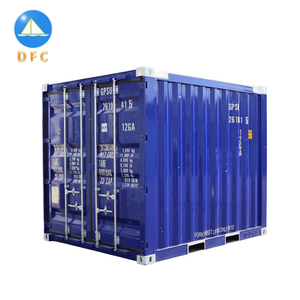
Yes. In addition to cold-chain drug shipping, G&B specializes in industrial project logistics. Utilizing DNV 2.7-1 certified 10ft, 20ft, and 40ft offshore flat-rack containers, we transport oversized biopharmaceutical equipment, stainless-steel fermenters, lyophilizer skids, and modular cleanroom structures from China factories to overseas manufacturing facilities worldwide with custom rigging and ocean vessel chartering.