
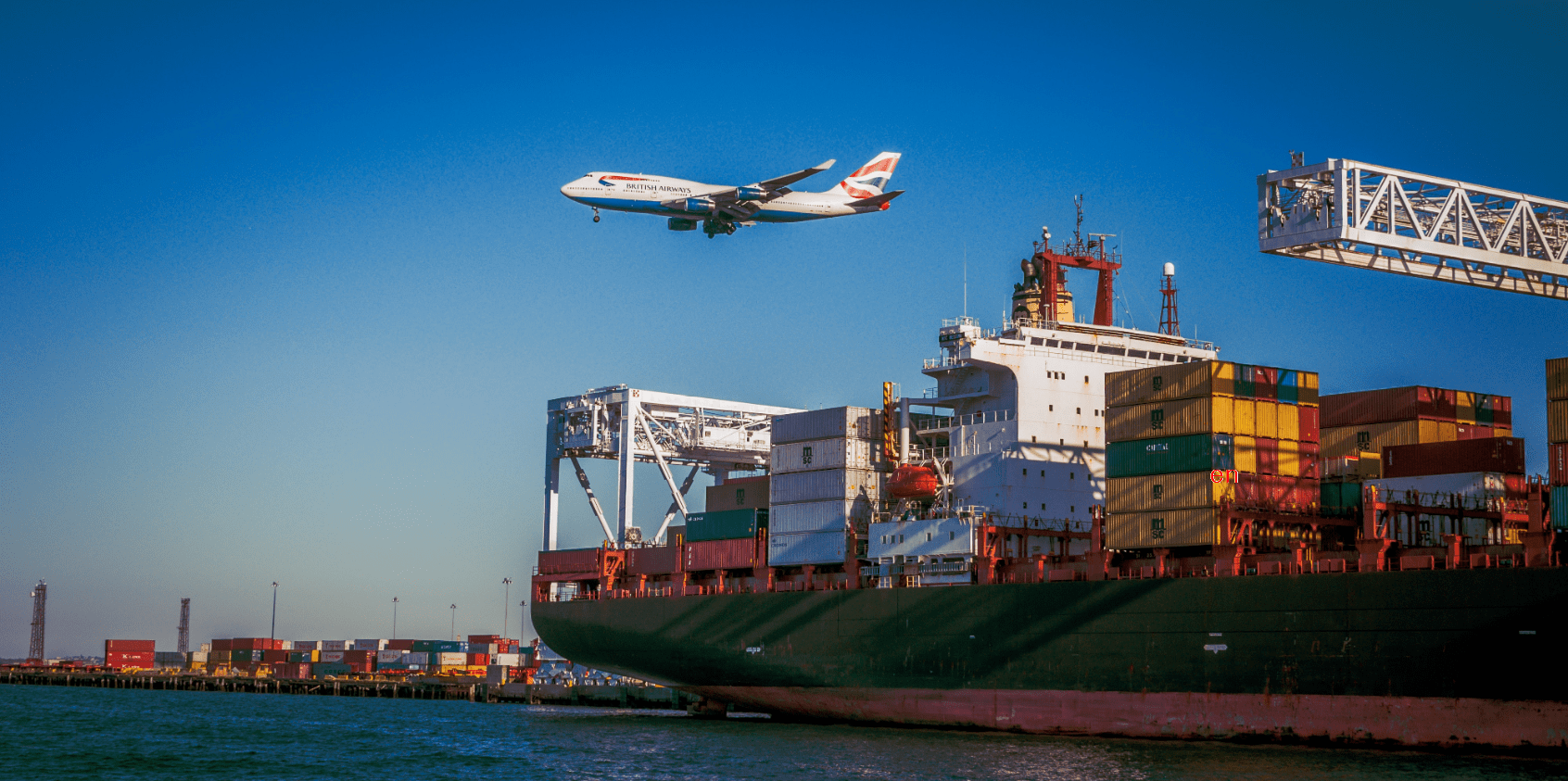
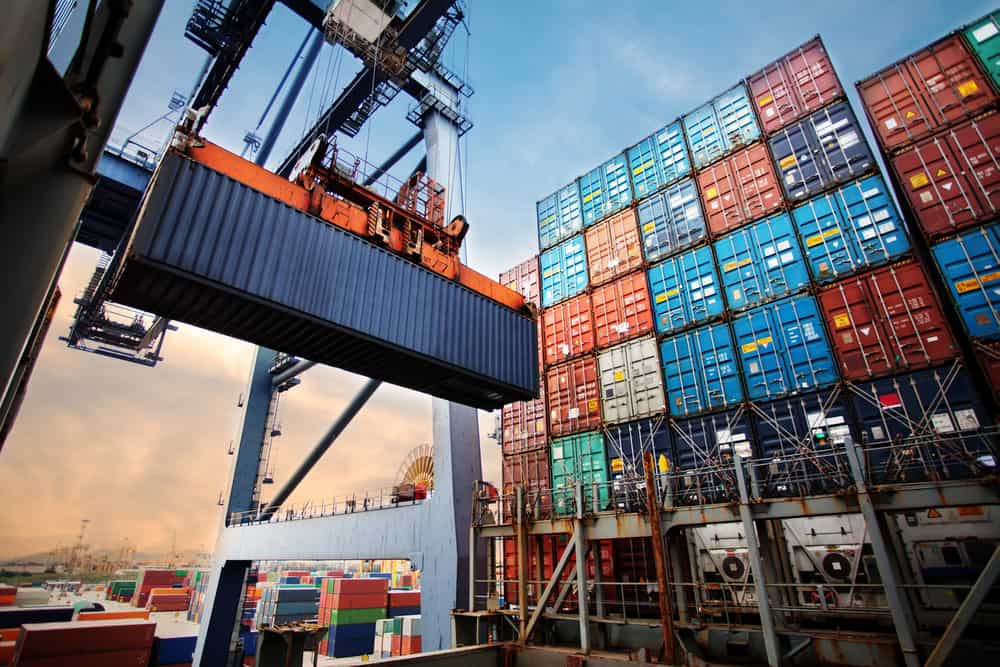
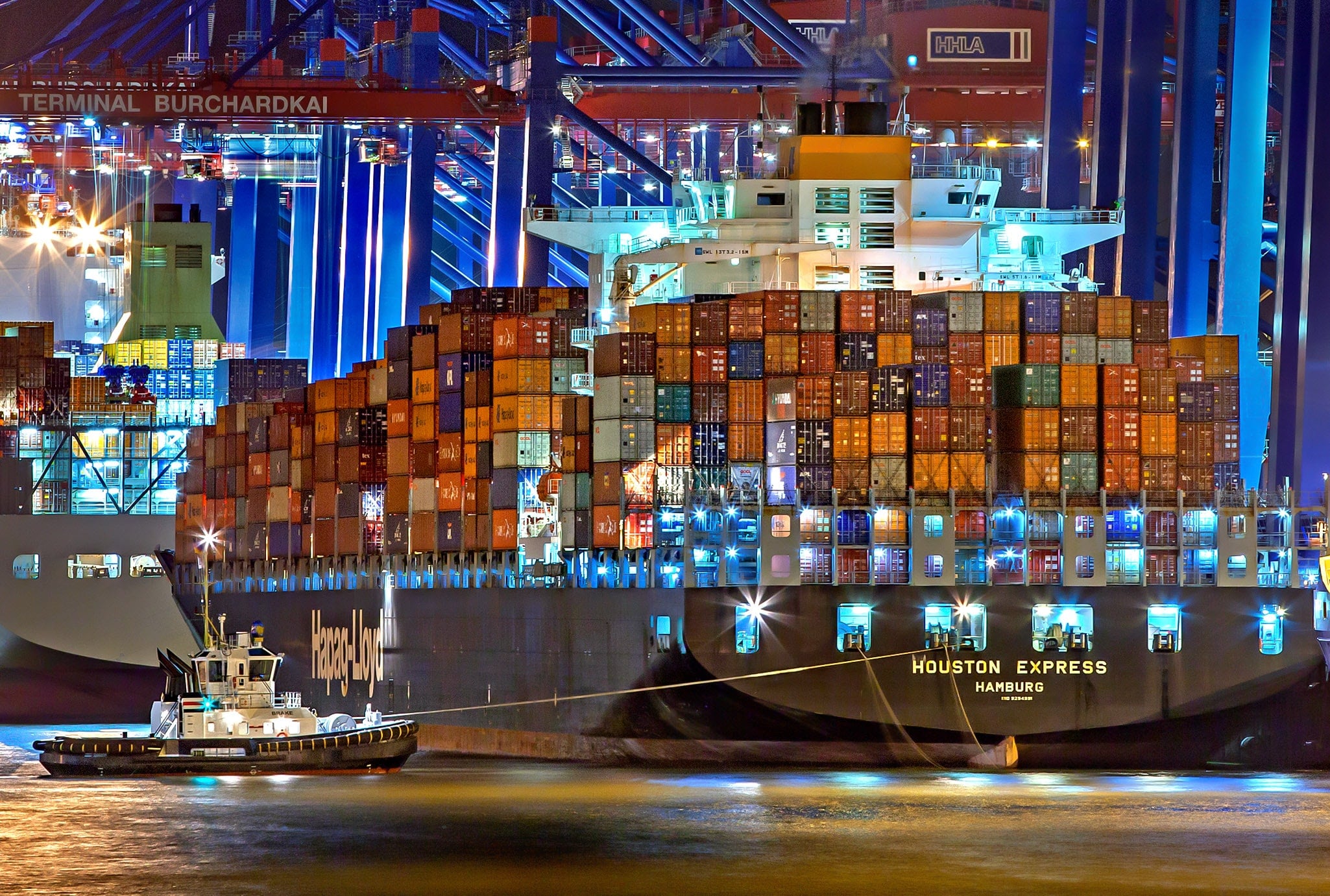
Explore our top-rated international sea, air, and rail transport configurations paired with comprehensive cargo insurance options.
In the contemporary architecture of international commerce, global supply chains are exposed to unprecedented systemic volatility. From severe transpacific weather anomalies and maritime rerouting around critical choke points like the Red Sea, to complex customs inspections and physical freight damage, the financial risk borne by importers and exporters is immense. Identifying and partnering with a premier China cargo insurance management supplier & suppliers is no longer merely a defensive operational measure—it is a vital financial growth driver that preserves corporate balance sheets, stabilizes operating margins, and guarantees continuity in international trade.
Many multinational procurement directors mistakenly operate under the dangerous assumption that freight forwarders or ocean carriers assume complete financial liability for cargo loss or damage. In reality, statutory ocean carrier liability governed by the Carriage of Goods by Sea Act (COGSA), the Hague-Visby Rules, or the Warsaw/Montreal Conventions for air cargo imposes strict financial caps—often limited to a mere $500 per package or 2 SDRs per kilogram. Without dedicated marine cargo insurance engineered specifically for China-origin shipments, global buyers face catastrophic capital loss in the event of vessel sinkings, container fires, jettisoning, or General Average declarations.
Under international maritime conventions (COGSA / Hague-Visby), carrier liability is tightly capped at $500 per container package regardless of actual commercial invoice value, leaving up to 95% of asset value exposed.
When a vessel master declares General Average during ocean emergencies, uninsured cargo is legally impounded under maritime lien until cargo owners post massive cash security deposits.
Comprehensive Marine Cargo Insurance provided by top China suppliers guarantees 110% of CIF invoice value payout, reimbursing not only product costs but also freight overhead and anticipated margin.
Structuring an resilient cargo insurance policy requires deep expertise in the standardized coverage frameworks established by the International Underwriting Association (IUA) and the Lloyd's Market Association. A specialized China cargo insurance manager evaluates transit risk profiles to apply the precise Institute Cargo Clauses (ICC) tailored to commodity vulnerability, container configuration, and routing.
| Clause Type | Coverage Framework | Included Risk Events | Standard Exclusions | Recommended Cargo Application |
|---|---|---|---|---|
| Institute Cargo Clauses (A) | All Risks Coverage | Fire, explosion, vessel stranding, sinking, overturning, collision, discharge at port of distress, jettison, washing overboard, sea water entry, theft, pilferage, non-delivery. | Wilful misconduct, ordinary leakage/wear, improper packing, inherent vice, insolvency of carrier, war/strikes (unless endorsed). | High-value electronics, retail goods, Amazon FBA inbound freight, luxury items, specialized machinery. |
| Institute Cargo Clauses (B) | Intermediate Named Perils | Fire, explosion, grounding, collision, earthquake, volcanic eruption, lightning, washing overboard, water entry into hold or container. | Theft, pilferage, partial loss due to rough handling, moisture damage not directly caused by water entry. | Raw materials, industrial minerals, non-perishable bulk commodities, heavy structural steel. |
| Institute Cargo Clauses (C) | Basic Named Perils | Fire, explosion, vessel stranding, grounding, sinking, collision, discharge of cargo at port of distress, General Average sacrifices. | Water damage, washing overboard, theft, breakage, weather damage, cargo drop during loading/unloading. | Scrap metal, low-value bulk materials, non-fragile heavy equipment, timber. |
| Institute Cargo Clauses (Air) | Air Transport All Risks | All risks of physical loss or damage during air transit, airport handling, tarmac storage, and multi-modal pre/post leg delivery. | Delay, inherent vice, confiscation by customs, improper packaging, temperature deviation without reefer clause. | Time-sensitive medical equipment, high-tech components, perishables, express e-commerce cargo. |
A critical flaw in enterprise procurement occurs when buyers fail to align their insurance procurement strategy with standard Incoterms. Under CIF (Cost, Insurance & Freight) terms, the Chinese seller is only contractually obligated to procure minimum coverage (ICC C). This leaves the overseas buyer severely exposed to partial damage, theft, and water entry during transit.
By leveraging an authoritative China cargo insurance management partner and opting for FOB (Free on Board) or FCA (Free Carrier) paired with buyer-controlled ICC (A) All-Risk Insurance, enterprise buyers gain full transparency over claims settlement, deductibles, subrogation rights, and loss adjustments in their home jurisdiction.
How digital transformation, telematics, and predictive analytics are revolutionizing global supply chain risk management for corporate buyers.
Traditional annual open policies are being rapidly augmented by programmatic API integrations between Freight Forwarding TMS platforms and marine insurance carriers. Enterprise buyers can instantly generate bindable, per-container insurance policies with precise micro-premiums calculated based on real-time port congestion data, vessel risk ratings, and seasonal route hazards.
Next-generation cargo insurance management suppliers are embedding real-time IoT sensors inside dry containers and reefers. Continuous monitoring of shock, tilt, internal temperature, humidity, and door-opening events enables active risk mitigation before cargo spoilage occurs, transforming insurance from a passive claims reimbursement tool into an active risk intervention asset.
Unlike standard indemnity policies that require lengthy physical loss adjustments, future cargo procurement policies incorporate parametric triggers. If a container vessel is held outside major gateway hubs (e.g., LAX/LGB, Rotterdam, Shanghai) beyond a pre-defined hour threshold, automated parametric payouts release liquidity instantly to cover supply chain interruption costs.
Global insurance conglomerates are integrating Environmental, Social, and Governance (ESG) metrics into policy pricing. Shippers routing freight through green maritime corridors, utilizing low-emission LNG/Methanol dual-fuel vessels, or employing eco-certified recyclable packaging receive tangible premium discounts and preferential claims routing.
With the explosive expansion of direct-to-consumer cross-border trade, insurance suppliers are deploying AI-driven OCR and image recognition algorithms. B2B buyers and Amazon sellers can submit photos of damaged cartons at destination warehouses, triggering automated claims settlement within 48 to 72 hours without manual surveyor intervention.
As modern maritime infrastructure relies heavily on automated port operating systems and electronic bills of lading (eBL), physical cargo risks have merged with cyber risks. Future cargo policies natively incorporate cyber-attack protection against ransomware-induced port lockouts and electronic cargo misdirection theft.
The global marine cargo insurance landscape is undergoing structural evolution driven by shifting geopolitical alliances, climate realities, and stringent regulatory mandates. China, as the world's primary manufacturing engine and largest exporter, occupies a central position in international insurance policy reform.
Maritime volatility in crucial straits—such as the Red Sea, Bab-el-Mandeb, and the Strait of Hormuz—has forced ocean carriers to bypass the Suez Canal in favor of the Cape of Good Hope route. This adds 10 to 14 days of transit time, increasing vessel hull exposure, fuel consumption, and container structural wear. Insurance suppliers are restructuring War, Strikes, Riots and Civil Commotions (WSRCC) endorsements, requiring shippers to procure dynamic war risk coverage that adjusts dynamically as vessels enter high-risk maritime zones.
Following high-profile maritime losses involving container stack collapses and shipboard fires caused by misdeclared dangerous goods, the International Maritime Organization (IMO) and global insurers are strictly enforcing Verified Gross Mass (VGM) standards. Leading China cargo insurance management providers are enforcing mandatory cargo pre-loading inspections and certified container lashing audits for specialized flat rack, open-top, and hazardous material shipments (D/G certification compliance).
As international corporations execute "China + 1" procurement strategies—sourcing components across China, Vietnam, Malaysia, and India—cargo insurance management suppliers are establishing multi-jurisdictional umbrella policies. These global master policies harmonize coverage limits, policy definitions, and claims settlement procedures across diverse Southeast Asian feeder networks and main transoceanic trunk lines.
Integrating world-class freight forwarding infrastructure with authoritative customs brokerage and institutional cargo insurance management since 1995.
Operating under U.S. Federal Maritime Commission License #4159N/F, G&B International (Green & Blue Group) provides authorized NVOCC contracts, direct carrier rate access, and legal ocean freight contracting backed by official marine liability coverage.
Holding official U.S. Customs ISA Certification (#GL0110004), our in-house customs clearance division maintains seamless compliance standards, mitigating entry delays, customs seizures, and bond forfeitures at all major U.S. ports of entry.
Certified under D/G Operation Certificate #A03043 and full FAA Membership, our certified cargo handlers safely route hazardous materials, lithium batteries, and sensitive chemical shipments under strict regulatory insurance coverage.
Pioneers of 4th Generation Logistics (4GL) architecture since 2006, delivering complex vehicle logistics and distribution management for major global retail conglomerates, including contracted operations with SAM'S Club.
Contracted logistics and warehousing supplier for the Korea Trade-Investment Promotion Agency (KOTRA), operating specialized overseas distribution centers providing secure inventory holding and last-mile fulfillment.
Headquartered in Wood Dale, IL, with company-owned bonded warehousing in Elk Grove Village, IL, and strategic branch facilities at LAX (Los Angeles) and JFK (New York) international airports.
Expert guidance on cargo insurance procurement, claim management, and risk mitigation for international buyers.