
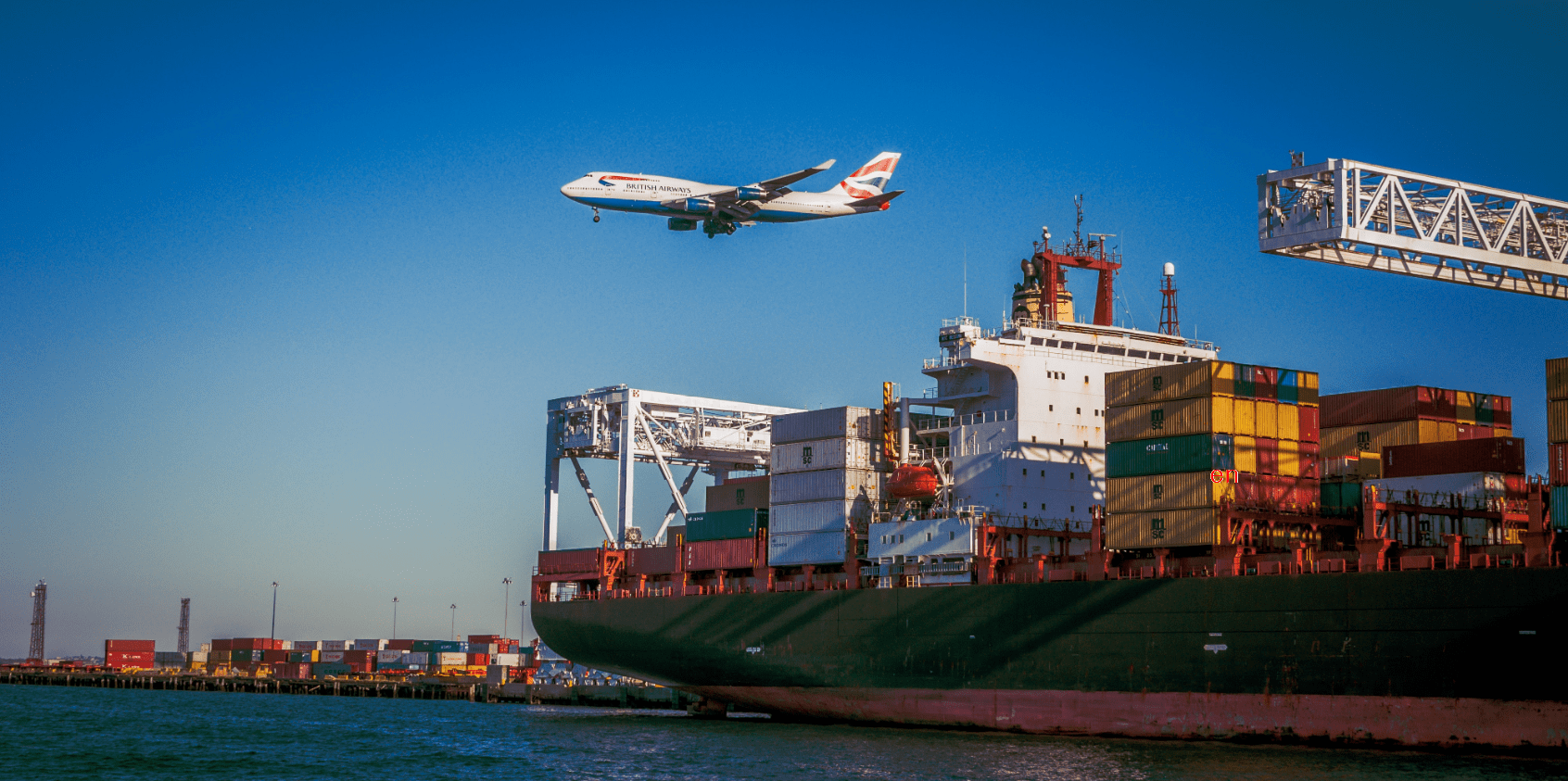
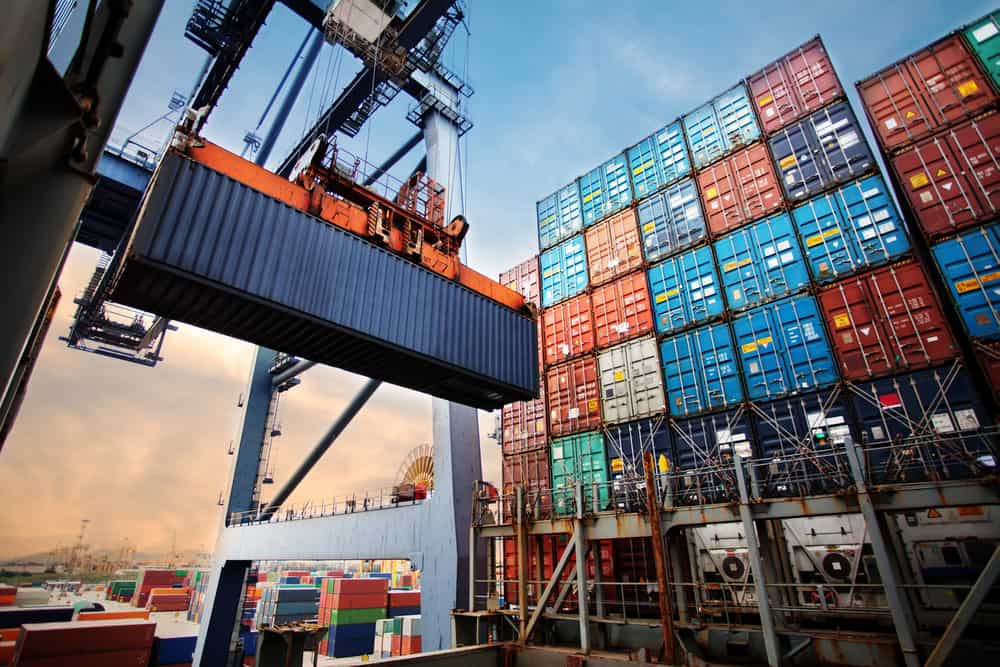
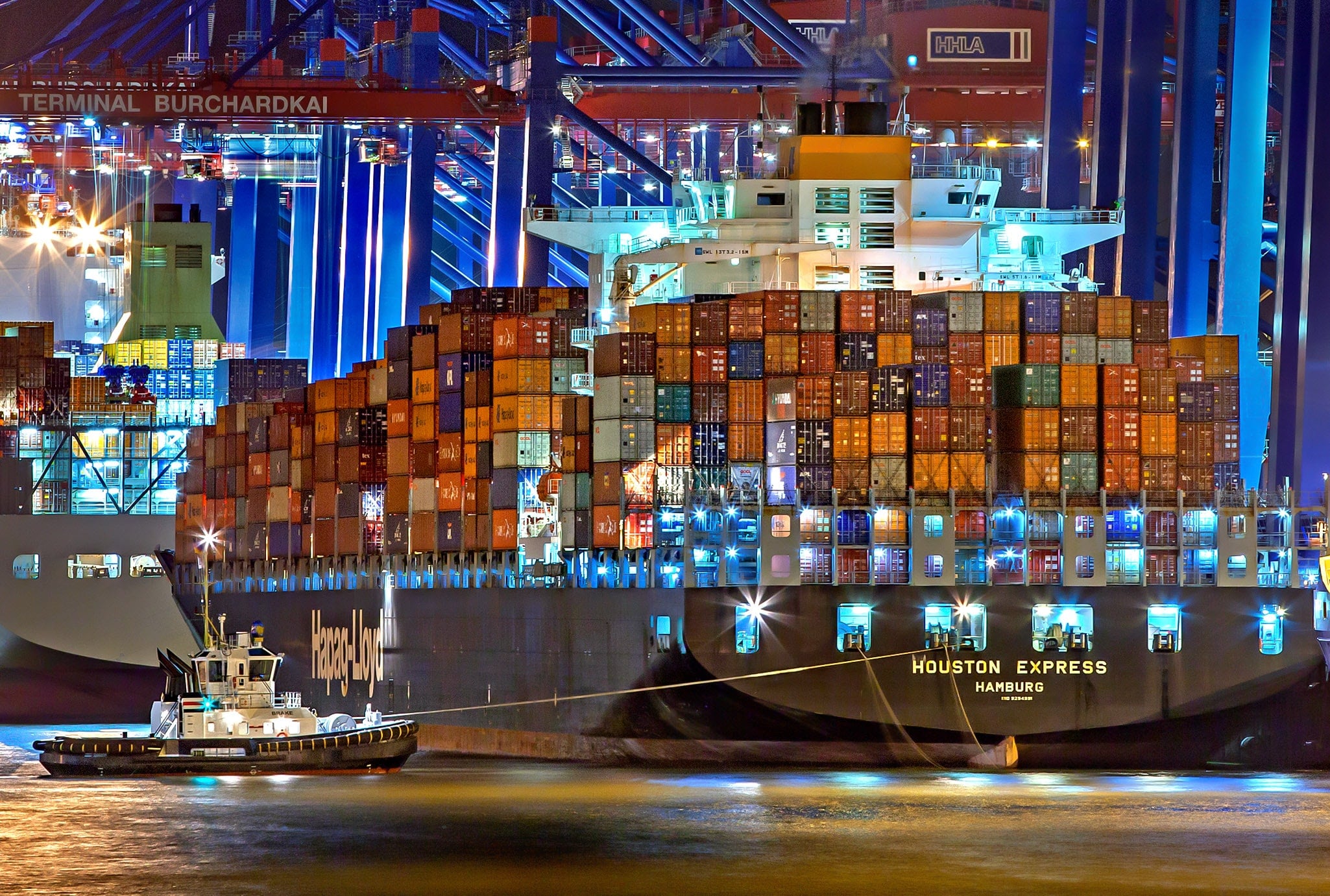
Tailored multi-modal transportation options engineered for high-value heavy machinery, out-of-gauge (OOG) breakbulk, and ISO-compliant industrial cargo routing.
Delivering institutional-grade project cargo oversight, backed by decades of licensed customs brokerage, bonded warehouse execution, and specialized 4th Generation Logistics (4GL) operations.
Operating as an officially licensed Non-Vessel Operating Common Carrier (NVOCC #4159N/F) since 1996. We command direct charter contracts with premier ocean carrier alliances, guaranteeing priority space protection for out-of-gauge breakbulk and project loads.
Holder of U.S. Customs ISA Certification (#GL0110004) and FAA Member status for Dangerous Goods Handling (#A03043). Our bonded clearance hubs at Chicago (Wood Dale / Elk Grove Village), Los Angeles (LAX), and New York (JFK) enable seamless tariff classification and fast clearance.
Strategic logistics partner to KOTRA (Korea Trade-Investment Promotion Agency) and specialized 4th Generation Logistics (4GL) system provider. We execute heavy industrial distribution, structural project management, and automated real-time tracking integration.
Modern industrial supply chains demand absolute precision when moving oversized plant machinery, heavy industrial modules, transformers, and DNV 2.7-1 offshore skid units. As leading China Project Cargo Manufacturers & Freight Forwarding Contractors, navigating the complexities of global EPC contracts requires rigorous technical feasibility assessments long before equipment reaches the port berth.
Project cargo transportation cannot rely on standard containerized load parameters. Each heavy-lift movement requires detailed CAD-assisted stowage plans, calculation of the center of gravity (CoG), and point-load stress analysis for vessel decks and hydraulic multi-axle trailers (SPMTs). Improper lashing vectors can cause structural structural stress or maritime failure under dynamic sea-state acceleration.
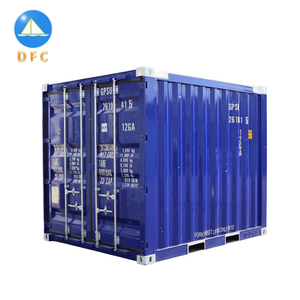
Selecting between specialized ocean containers (Flat Racks, Open Tops) and multi-purpose Heavy Lift Vessels (HLVs) depends on equipment geometry, port crane capacities, and total landside route constraints. The technical decision matrix below highlights core modal trade-offs for EPC project procurement officers:
| Logistics Parameter | Flat Rack / Open Top (OOG) | Breakbulk Vessel (BB) | Ro-Ro Heavy Equipment |
|---|---|---|---|
| Max Load Capacity | Up to 45–50 Metric Tons | 500+ Metric Tons (Vessel Crane Dependent) | Up to 120 Metric Tons (Ramp Limit) |
| Dimensional Limitations | Width/Height Over-dimensional limits | Virtually Unlimited Deck Space | Height & Door Clearance Constrained |
| Port Handling Method | Gantry Crane / Reach Stacker | Vessel Heavy Lift Gear / Shore Cranes | Towable / Wheeled Ramp Roll-on |
| Transit Time Security | High (Fixed Liner Schedules) | Medium (Charter Route Variable) | High (Pure Car/Truck Carrier Schedules) |
| Lashing Protocols | ISO Turnbuckles & Heavy Chains | Deck Weld Pads, Stopper Blocks & Wire Ropes | Wheel Chocks & Nylon Webbing Belts |
The global project cargo procurement landscape is undergoing a massive transformation driven by decarbonization targets, digital twin risk modeling, and nearshoring trends. International procurement executives must align their supply chain contracting with four critical macro trends:
With the International Maritime Organization (IMO) enforcing strict EEXI and CII carbon intensity indexes, major industrial manufacturers are mandated to report carbon intensity across their project supply chains. Future vessel chartering contracts will heavily favor dual-fuel green methanol and LNG-powered heavy-lift fleets, requiring logistics managers to secure verified Scope 3 emission audits for all breakbulk moves.
High-value industrial assets such as gas turbines, modular power plants, and semiconductor equipment now incorporate active IoT sensor arrays. These devices log real-time G-force shocks, tilt angles, humidity levels, and atmospheric pressures during ocean crossings. Enterprise logistics providers must integrate real-time API telematics into centralized Warehouse Management Systems (WMS) and transit tracking portals.
Industrial construction is shifting from field fabrication to modular offsite manufacturing. Heavy components for offshore wind turbines, green hydrogen electrolyzers, and Small Modular Reactors (SMRs) are pre-assembled into massive multi-thousand-ton skid modules in specialized Chinese manufacturing hubs, driving exponential demand for specialized semi-submersible ships and multi-axle heavy transport.
Understanding geopolitical corridor shifts, port infrastructure bottlenecks, and advanced risk underwriting for heavy industrial assets.
To bypass maritime choke points, project forwarders are leveraging integrated Sea-Rail and Intermodal networks across Asia, Europe, and Australia. AEO-certified rail corridors allow seamless bonded transit of 20GP/40GP full container loads directly from manufacturing plants to inland depots without mid-route customs delays.
Marine cargo insurance for breakbulk requires stringent pre-load warranty inspections (MWS). Operational risks are mitigated through structural marine engineering, detailed lift calculations, and carrier liability coverage secured under standard Baltic and International Maritime Council (BIMCO) charter terms.
Global procurement teams increasingly insist on single-point accountability. Delivering project cargo under DDP (Delivered Duty Paid) terms requires fully licensed customs brokerage in destination ports, road survey permits for inland heavy haulage, and specialized final-mile crane positioning at project sites.
Essential answers to common engineering, regulatory, and commercial queries encountered by international procurement managers.
From single out-of-gauge heavy lifts to multi-shipment EPC plant construction projects, leverage our 29+ years of FMC-licensed and ISA-certified global freight forwarding network.
Get Catalog