
Engineered multi-modal logistics, custom container specs, and global compliance for hazardous & non-hazardous chemical transportation.
Years of Logistics Leadership (Est. 1995)
Fully Certified NVOCC & Hazmat Freight Operator
Global Port & Airport Destination Networks
Customs ISA & Regulatory Compliance Guarantee
From custom OEM packaging configurations to dangerous goods clearance, G&B International Logistics integrates experience, technology, and compliance to secure your global supply chain.
Holding official FMC Licensing (#4159N/F), FAA Membership, and Dangerous Goods Operation Certification (#A03043), we are legally equipped to clear, manage, and transport Class 2 through Class 9 hazardous chemical freight across ocean, air, and intermodal lanes.
Our company-owned facility in Elk Grove Village, IL, coupled with hub gateway offices at LAX and JFK, provides specialized bonded storage, climate-controlled chemical housing, flexitank conversion, and precise ISO-tank inventory controls.
Pioneering 4th Generation Logistics (4GL) since 2006, G&B acts as a strategic supply chain architect. We manage complex vehicle logistics for enterprise buyers (such as SAM'S Club) and serve as an official logistics provider for KOTRA, delivering total end-to-end visibility.
The global chemical manufacturing sector is undergoing an unprecedented structural transition. Volatile raw material prices, strict environmental oversight, and localized regulatory fragmentation mean that purchasing managers can no longer view freight transport as a commodity transaction. Chemical logistics procurement has elevated into a high-stakes operational discipline where risk mitigation, regulatory compliance, and container customization dictate market competitiveness.
Key Takeaway for B2B Chemical Buyers: Modern chemical procurement demands dynamic 4GL control tower models that integrate automated SDS validation, ISO tank tracking, and pre-cleared customs lanes to prevent costly port detentions and hazardous material fines.
Traditional 3PL models often fail when applied to complex OEM chemical distribution due to fragmented handoffs between ocean carriers, drayage truckers, and customs brokers. Leading global chemical enterprises are transitioning to 4th Generation Logistics (4GL) architectures. In a 4GL framework, the logistics partner manages technology, carrier compliance, bonded storage, and customs brokerage under a unified governance layer. This ensures that every shipment—whether moving via LCL drum consolidation or full ISO tank vessels—adheres strictly to international dangerous goods codes without operational friction.
Procurement strategies now prioritize carriers equipped with advanced telematics. Liquid chemicals, specialty polymers, and hazardous precursors require continuous monitoring of pressure, temperature, shock, and geographical location. Modern ISO tanks and DNV-certified offshore flat racks deployed by top-tier forwarders are fitted with IoT sensor arrays that send real-time alerts if thermal limits are breached, allowing logistics controllers to intervene before cargo degradation occurs.
Environmental, Social, and Governance (ESG) mandates are actively reshaping procurement scorecards. Chemical shippers are required to document Scope 3 emissions across their logistics footprint. Strategic logistics vendors are responding by optimizing vessel speeds, utilizing intermodal rail alternatives for inland moves, adopting reusable flexitanks, and offering carbon-neutral customs clearance routing. Choosing a logistics partner with optimized multi-modal routing directly reduces the total carbon intensity per metric ton of chemical cargo delivered.
Selecting the optimal container geometry is critical for safety, regulatory compliance, and cost optimization. The table below outlines standard transport equipment deployed across modern OEM chemical supply chains:
| Container Category | Suitable Chemical Cargo Types | Key Technical Standards | Logistics Efficiency & Risk Profile |
|---|---|---|---|
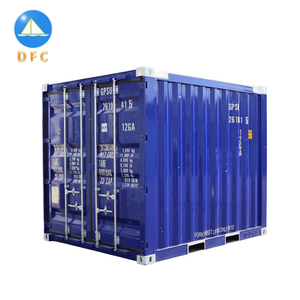
| T11 / T14 ISO Tank Containers | Hazardous/Non-Hazardous Liquids, Acids, Solvents, Petrochemicals | IMDG Code, UN Portable Tank, ASME VIII, ISO 1496/3 | Highest safety rating; eliminates drum waste; optimized for high-density liquid bulk payload. |
| DNV 2.7-1 Offshore Flat Racks | Heavy Chemical Machinery, Skid Modules, Offshore Well Reagents | DNVGL-ST-E271, EN 12079, ISO 10855 | Engineered for harsh offshore environments; high dynamic load resilience; drop-tested frame structure. |
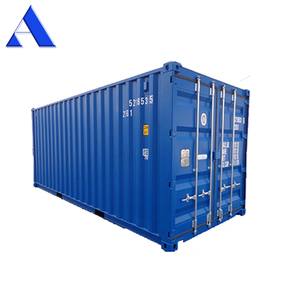
| Flexitanks in 20ft Dry Vans | Non-Hazardous Industrial Chemicals, Food-Grade Oils, Liquid Fertilizers | COA Flexitank Code, FDA Approved, Single/Multi-layer PE | Cost-effective one-way liquid transport; converts standard dry box; zero return freight costs. |
| Standard LCL / FCL Dry Cargo | Drummed Powder Chemicals, Granulates, Sealed IBC Totes (Class 8/9) | ISO 668, CSC Safety Approval, UN Packaging Certified | Flexible for multi-SKU chemical consignments; requires strict floor blocking and bracing. |
Looking ahead toward 2030, the chemical supply chain landscape will be defined by rapid technological innovation, aggressive regulatory harmonization, and customized factory-to-door freight models. Shippers who adapt to these emerging trends will gain significant structural cost advantages over competitors relying on legacy freight models.
Customs clearance for chemical imports—particularly into key industrial markets like North America and Europe—is transitioning toward paperless, pre-arrival automated clearance systems. Through programs such as U.S. Customs ISA (Importer Self-Assessment) and AEO (Authorized Economic Operator) certifications, freight forwarders are embedding compliance algorithms that verify Chemical Abstracts Service (CAS) numbers, Safety Data Sheets (SDS), and Toxic Substances Control Act (TSCA) declarations automatically before the vessel berths. This eliminates costly demurrage at port terminals.
As offshore energy production, deep-sea processing, and modular chemical synthesis plants expand, the demand for specialized offshore freight containers has surged. Containers manufactured to DNV 2.7-1 and EN 12079 standards are increasingly utilized not only for offshore energy platforms but also for remote chemical project logistics. These containers undergo rigorous dynamic impact testing, structural NDT (non-destructive testing), and specialized anti-corrosion coating processes to withstand salt-spray exposure and extreme mechanical stresses during marine transport.
OEM chemical manufacturers in Asia, Europe, and South America are increasingly shifting from FOB (Free On Board) sales terms to DDP (Delivered Duty Paid) models. Global chemical buyers no longer wish to manage complex inland trucking, hazardous material permits, or import duty calculations. Logistics companies with direct branch networks (such as G&B’s hubs in Chicago, Los Angeles, and New York) are enabling chemical factories to offer turnkey DDP terms—handling everything from origin factory loading, ocean shipping, US Customs clearance, to final-mile tank truck delivery.
Key technical, regulatory, and operational answers for supply chain executives and chemical purchasing professionals.
International hazardous material freight requires an accurate Safety Data Sheet (SDS / MSDS) aligned with the Globally Harmonized System (GHS), a Dangerous Goods Declaration (DGD), a UN-certified packaging certificate, an accurate commercial invoice specifying CAS numbers, and custom customs filings (such as TSCA certificates for US imports or REACH documentation for EU destinations).
Under DDP (Delivered Duty Paid), the seller/forwarder assumes total responsibility for transport, ocean freight, marine insurance, import customs clearance, and payment of all duties and taxes right to the recipient's door. Under DDU (Delivered Duty Unpaid), the buyer is responsible for settling local import taxes and customs duties upon arrival at the destination port.
Standard ISO containers are designed primarily for land and standard container vessel stacking. DNV 2.7-1 containers are specifically engineered and drop-tested for offshore marine environments. They feature reinforced structural corner pads, dedicated pad-eyes for offshore crane lifting under dynamic sea conditions, and heavy-duty corrosion-resistant steel grades capable of withstanding ambient temperatures down to -20°C.
FMC (Federal Maritime Commission) licensing certifies that an ocean freight forwarder or NVOCC operates under strict financial integrity, holds mandatory surety bonds, and maintains legally compliant rate tariffs. For high-value chemical cargoes, FMC licensing ensures legal enforceability, direct carrier contract access, and professional handling of Bill of Lading documentation.
Hazardous air shipments are governed strictly by IATA Dangerous Goods Regulations (DGR) and FAA guidelines. Depending on the chemical's hazard class and quantity, it may be restricted to Cargo Aircraft Only (CAO) and prohibited on passenger flights. Certified DG freight operators ensure compliant UN packaging, hazard labeling, and proper aircraft allocation.
Demurrage is avoided by executing pre-arrival customs clearances (via ISA/AEO certified customs brokers), ensuring all chemical SDS paperwork is validated 5–7 days prior to vessel discharge, arranging direct carrier haulage (drayage) with bonded chemical transport carriers, and utilizing bonded warehouse facilities when immediate factory drop-off is delayed.
Partner with an FMC-licensed, FAA-certified, and 4GL-integrated logistics leader. Connect with our senior chemical freight specialists to request customized engineering specs, rate tariffs, and complete product catalogs.