
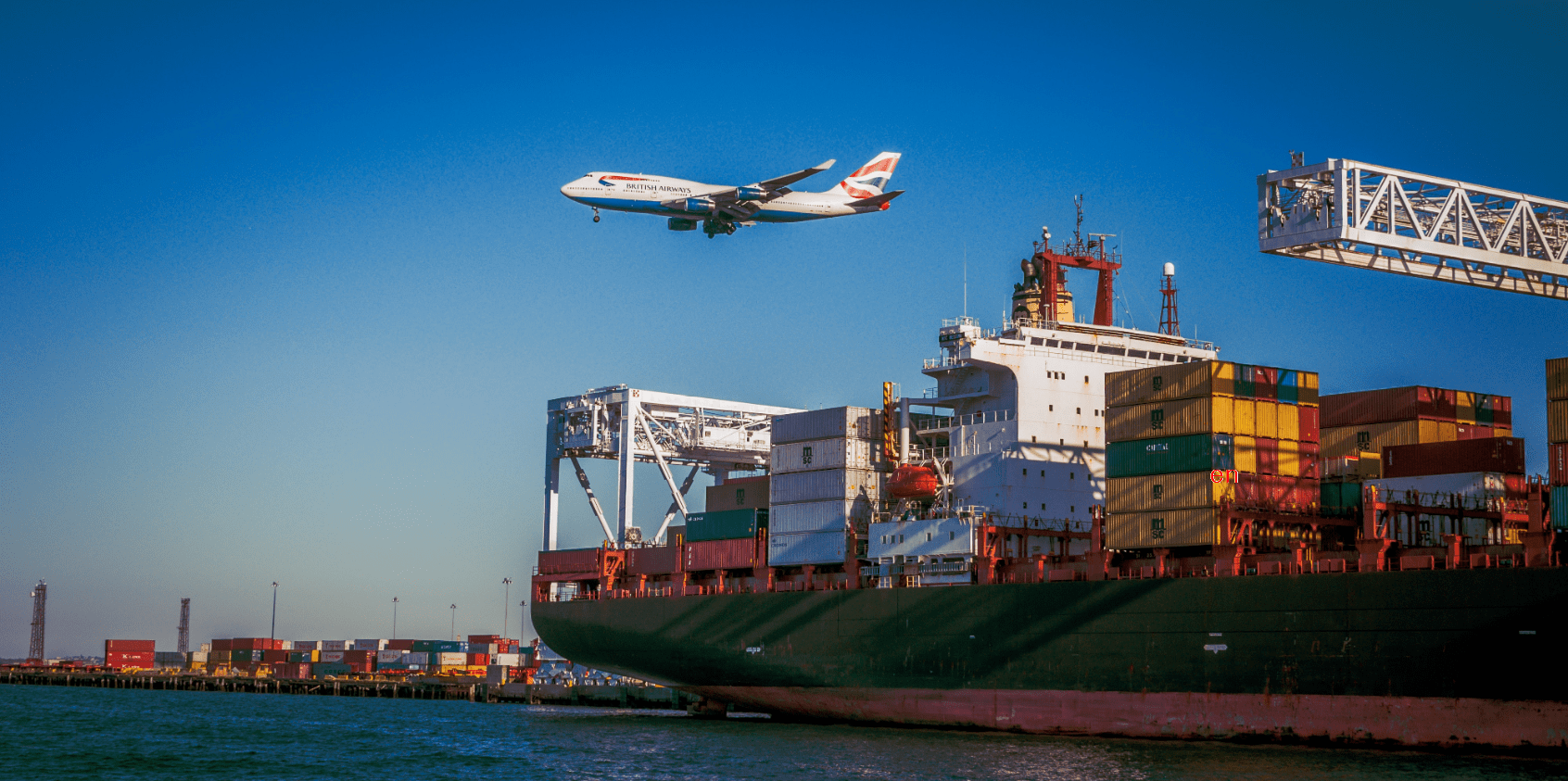
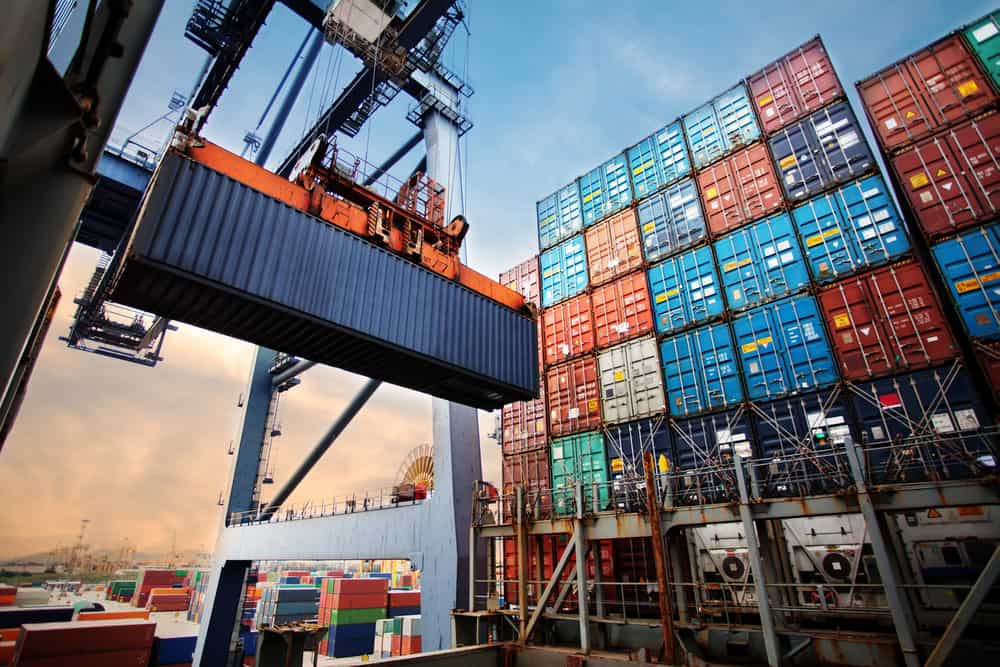
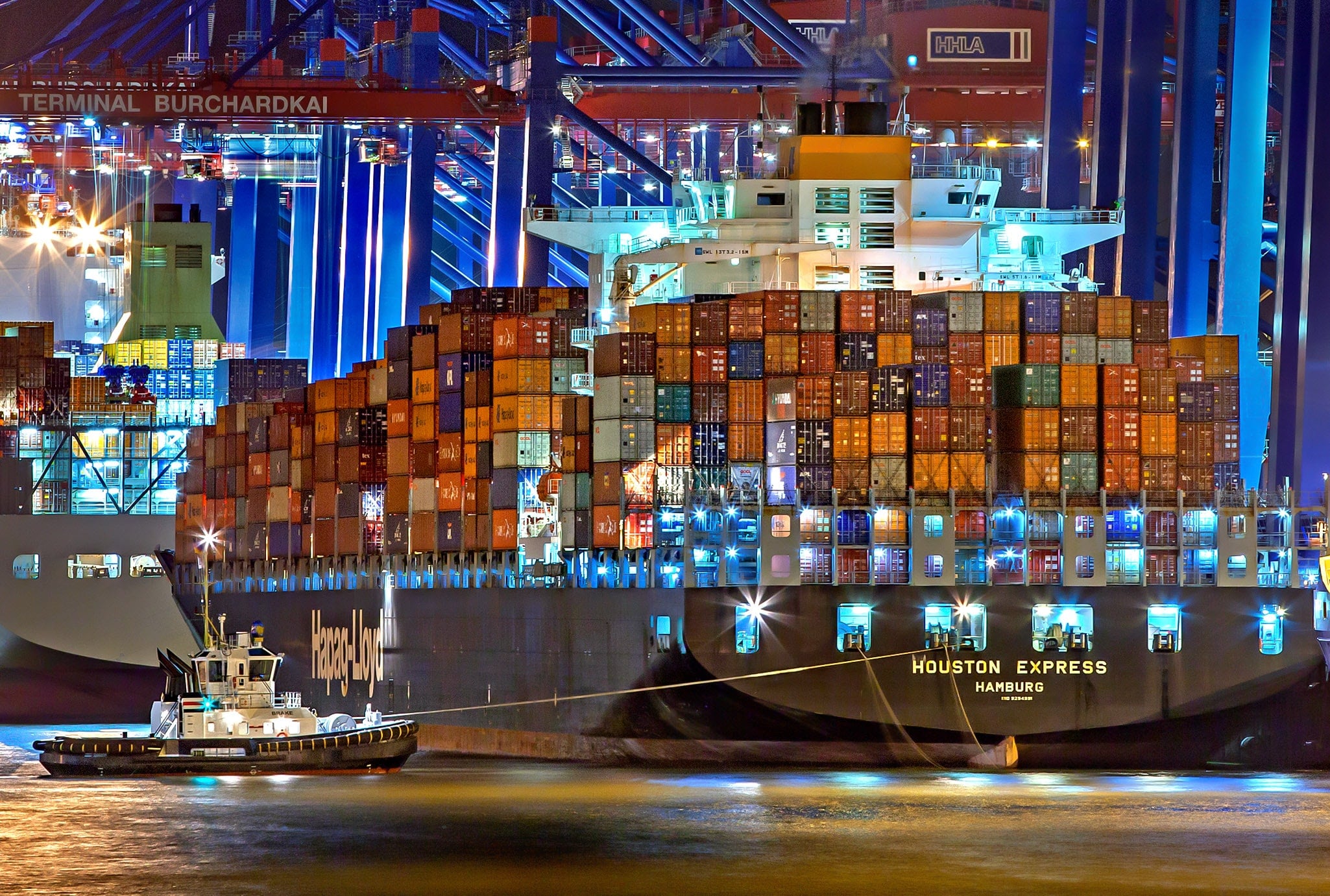
End-to-end multimodal transport, specialized offshore container manufacturing, and destination clearance execution for global OEMs.
Tailored Less-than-Container Load (LCL) consolidation with seamless DDP/DDU clearance protocols across Canadian ocean gateways.
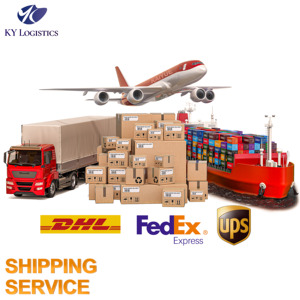
Optimized multimodal air-sea express lines providing landed-cost certainty, final-mile delivery, and duty-paid handling for high-velocity supply chains.
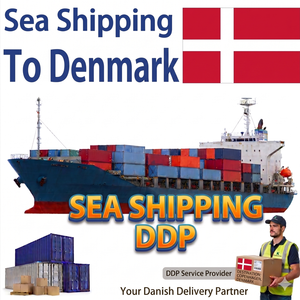
Dedicated Full Container Load (FCL) carrier space allocations ensuring high reliability and direct DDP clearance to European distribution networks.
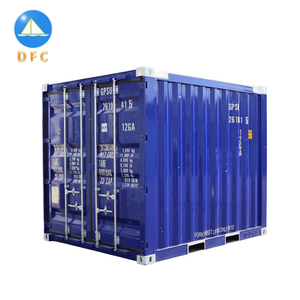
Engineered DNV 2.7-1 certified flat-rack containers built for extreme offshore environments, heavy industrial machinery, and energy projects.
Global FCL orchestration engineered for OEM manufacturers requiring multi-port routing, dynamic equipment positioning, and predictable transit.
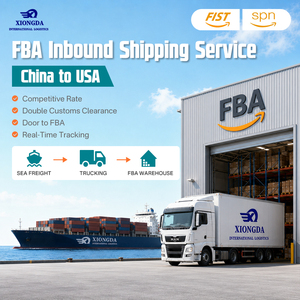
Direct FBA fulfillment corridor featuring pre-appointment booking, palletization compliance, and expedited customs bond clearance.
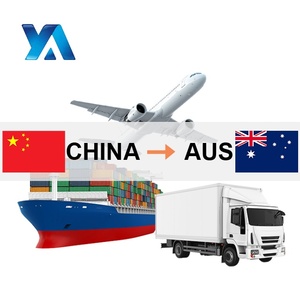
AEO-backed multimodal rail and ocean solutions providing priority customs treatment and optimized 20GP container movements to Oceania.
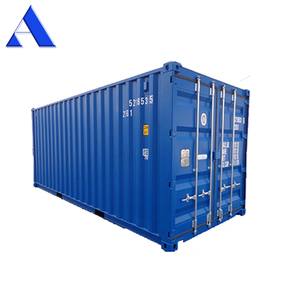
Factory-direct ISO standard 20ft dry cargo containers engineered for intermodal structural integrity, secure storage, and international trade compliance.
Deconstructing operational friction, regulatory compliance barriers, and structural landed-cost drivers for global original equipment manufacturers.
In modern international commerce, multinational original equipment manufacturers (OEMs) face mounting complexity across global supply networks. Fragmented logistics providers, volatile ocean/air tariffs, shifting geopolitical duty structures, and strict customs compliance mandates create systemic risks. Traditional transactional freight forwarding is no longer sufficient for complex industrial supply chains. Enterprise procurement teams require integrated Custom OEM Global Trade Management Solutions that merge physical transport execution with digital compliance and tariff optimization.
Global Trade Management (GTM) represents the cross-border integration of freight forwarding, customs brokerage, regulatory compliance (such as AEO, C-TPAT, and ISA standards), bonded inventory management, and real-time telemetry. By standardizing end-to-end trade workflows, OEM manufacturers and exporters eliminate administrative bottlenecks, minimize demurrage and detention fees, and gain total cost transparency over landed inventory.
To evaluate the structural advantages of an integrated trade management framework, procurement executives must contrast conventional transactional transport models against holistic enterprise GTM solutions:
| Operational Metric | Standard Freight Forwarding | Enterprise Custom OEM GTM Solutions |
|---|---|---|
| Customs Integration | Siloed 3rd-party brokerage, passive filing | In-house licensed brokerage, ACE-integrated electronic pre-clearance |
| Landed Cost Visibility | Estimated freight rates; unexpected tariffs post-arrival | Algorithmic landed-cost calculation (HTS classification, duty, taxes, local drayage) |
| Equipment Customization | Standard dry ISO containers only | Specialized ISO units, DNV 2.7-1 offshore flat racks, project cargo rigging |
| Incoterms Versatility | Basic FOB / CIF shipping options | Full DDP / DDU seamless execution across North America, EU, APAC |
| 4GL Orchestration | Single port-to-port tracking | End-to-end control tower, WMS/EDI integration, retail vendor compliance |
Achieving zero-defect global trade requires a structured framework that mitigates risk at every stage of the supply chain lifecycle:
Pre-shipment HTS code classification audits, duty drawdown identification, and Section 301/232 tariff optimization to lower total landed costs prior to port arrival.
Algorithmic blending of FCL ocean shipping, express LCL consolidation, intermodal rail corridors, and expedited air freight to balance transit speed and transport costs.
Leveraging AEO and C-TPAT certified supply lines to secure fast-track customs clearance, reduced physical inspections, and priority processing during port congestion.
Strategic positioning of inventory inside US-bonded facilities to defer duty payments, execute specialized re-kitting, and maintain buffer stock for zero-delay fulfillment.
4th Generation Logistics (4GL) infrastructure incorporating automated WMS, real-time container tracking, and direct EDI connectivity to major retail channels.
Key structural shifts impacting global manufacturing, cross-border freight strategies, and trade policy execution over the next decade.
Global procurement is shifting from single-source manufacturing models toward regionalized "China+N" and nearshoring strategies. While East Asian ports remain primary industrial engines, OEM manufacturers are diversifying assembly hubs into Southeast Asia, Mexico, and Eastern Europe. This shift requires freight logistics providers to manage complex intra-regional feeder networks, cross-border trucking corridors, and flexible intermodal rail hubs without adding administrative complexity.
Unpredictable trade tariffs have elevated landed-cost management into a boardroom strategic priority. Emerging GTM platforms rely on machine-learning tools to dynamically re-route shipments based on real-time port congestion data, duty differentials, and carrier blank sailing schedules. Manufacturers adopting predictive duty modeling can adjust sourcing decisions proactively to safeguard gross operating margins.
Heavy industrial machinery, offshore energy equipment, and high-value OEM assets require specialized transport units. The demand for DNV 2.7-1 certified offshore containers, customizable flat racks, and ISO-standard dry cargo boxes has surged. OEM exporters must partner with suppliers capable of providing both standard ISO units and custom-engineered heavy-lift packaging solutions.
International environmental regulations now mandate strict carbon reporting for Scope 3 logistics emissions. Top-tier exporters are selecting logistics partners that utilize eco-efficient container equipment, low-emission rail corridors, and carbon tracking dashboards to align with global corporate sustainability goals.
Three decades of proven regulatory compliance, ocean/air cargo expertise, and end-to-end supply chain execution.
Founded in 1995 and headquartered in Wood Dale, Illinois, G&B International Logistics (Green & Blue Group) has built its global reputation on three core pillars: Security, Trustworthiness, and Personalized Service Architecture. Over nearly 30 years, G&B has expanded from specialized ocean and air freight forwarders into a comprehensive 4th Generation Logistics (4GL) orchestrator.
G&B holds key institutional certifications required for high-compliance international trade:
Expert insights on Incoterms, customs clearance, equipment selection, and multimodal freight operations.
Under Delivered Duty Paid (DDP), the seller/exporter assumes full financial and operational responsibility for door-to-door transport, export clearance, ocean/air freight, and payment of import duties, taxes, and destination customs fees. Under Delivered Duty Unpaid (DDU / DAP), the buyer is responsible for settling import customs duties and local clearance fees upon arrival. DDP offers complete landed-cost predictability for the buyer, but requires an experienced logistics partner to handle local tax and regulatory compliance.
Standard ISO containers are designed for general cargo and standard intermodal stacking. DNV 2.7-1 certification requires rigorous structural engineering, specialized impact testing, dynamic lifting capability, and high corrosion resistance specifically tailored for harsh marine offshore environments, oil & gas rigs, and heavy industrial machinery transport.
An Authorized Economic Operator (AEO) certification is an internationally recognized quality mark indicating that a company's role in the global supply chain is secure and compliant. Benefits include priority customs clearance, significantly reduced document and physical inspection rates, fast-track processing, and simplified customs administrative procedures across participating countries.
4GL (Fourth-Party Logistics) integrates standard 3PL freight handling with higher-level technology, supply chain consulting, and control tower management. A 4GL provider manages the entire logistics ecosystem—coordinating multiple carriers, managing warehouse networks, optimizing HTS codes, and connecting WMS/EDI data directly into enterprise ERP systems for total visibility.
Customs bonded warehouses allow importers to store imported goods duty-free for up to 5 years. Duties and taxes are only payable when cargo is released into the domestic market for consumption. If the goods are re-exported directly from the bonded facility, no import duty is owed, offering substantial cash flow advantages for international exporters.
For high-frequency or small-batch components, LCL (Less-than-Container Load) consolidation and express multimodal air-sea services allow exporters to pay only for the exact volume used. This avoids the cost of under-utilized FCL containers while maintaining reliable ocean or air schedules.
Connect with G&B International Logistics today to discuss custom OEM freight forwarding, DDP/DDU clearance, specialized offshore container deployment, or 4GL supply chain consulting.
Contact Us