Featured Assets & Inspection Logistics
Recommended OEM/ODM Commercial Cargo & Freight Solutions
Explore our certified commercial inspection assets, specialized container configurations, and international freight forwarding protocols designed to guarantee zero-defect cargo delivery across global trade corridors.
DDP DDU LCL Container Cargo Sea Shipping Logistics Service Freight Forwarder China to Canada Sea Shipping Agent
• Service Type: LCL Consolidation & Inspection
• Compliance: DDP/DDU Duty Clearance
• Coverage: China to North America Corridors
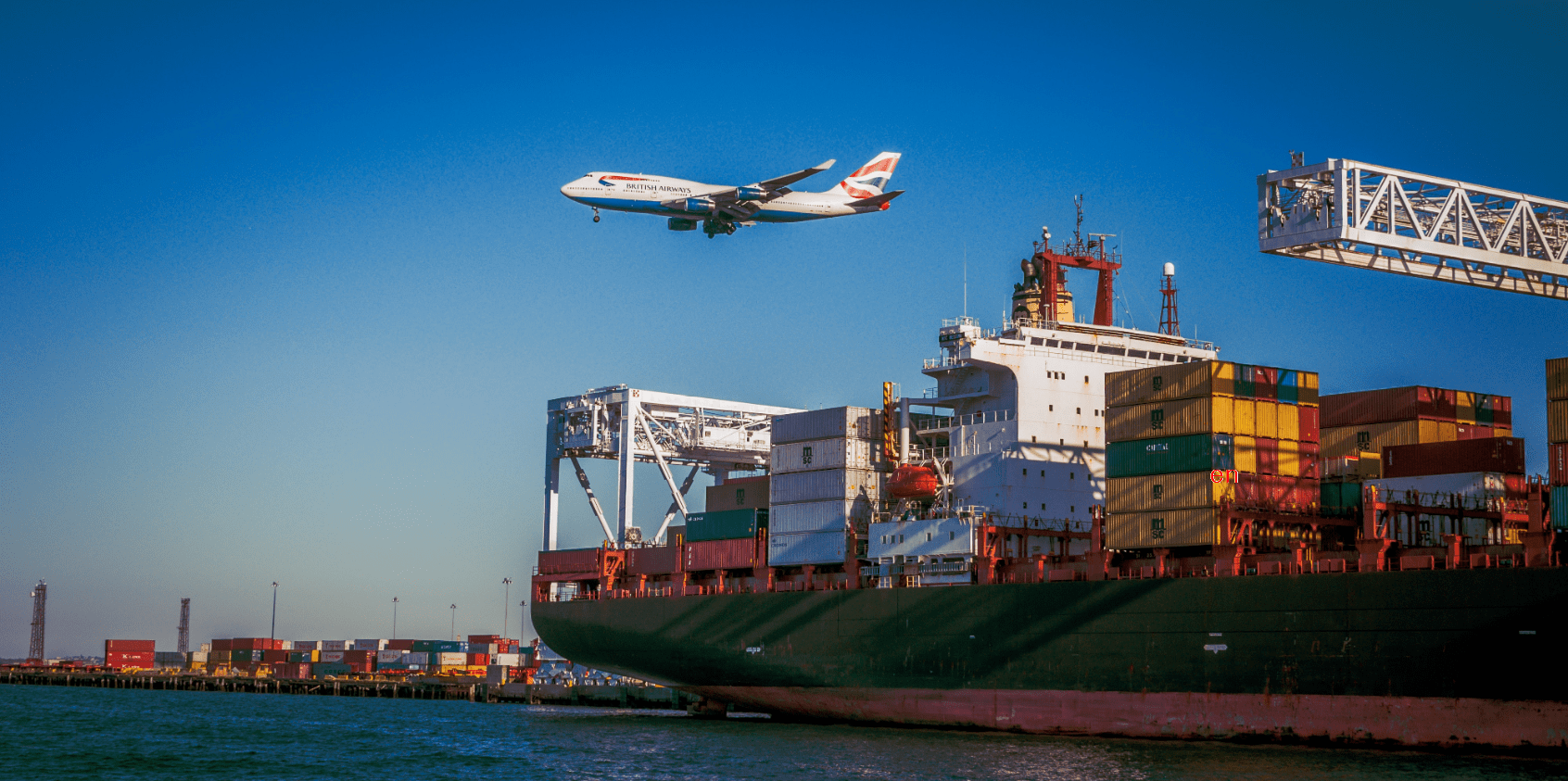
Cheapest Air Sea DDP LCL International Logistics Service Top 10 China to USA UK Canada Express Freight Forwarder Shipping Agent
• Transit Mode: Air/Sea Hybrid Express
• Protocol: Pre-Customs Audit & Verification
• Hub Integration: US / UK / Canada Gateways
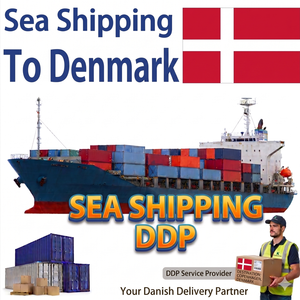
Sea Freight Shipping Agent DDP Shipping to Europe Denmark FCL Full Container Shipping Freight Forwarder Sea Shipping Agent
• Container Spec: Full Container Load (FCL)
• Inspection: EU Port Entry & Duty Compliance
• Destination: Denmark & Baltic Region Hubs
High Quality Dnv Certified 10ft 20ft 40ft Offshore Flat Rack Shipping Container For Industrial Project Logistics Customized
• Certification: DNV 2.7-1 / EN 12079 Standard
• Engineering: Heavy-Duty Structural NDT Test
• Customization: OEM/ODM Project Framing
Professional Sea Shipping Agent FCL Logistics Services Full Container Load Shipping to USA Canada Europe Australia Worldwide
• Security: C-TPAT Certified Load Supervision
• Carrier Tier: Direct NVOCC Vessel Contracts
• Reach: Global Transoceanic Lines
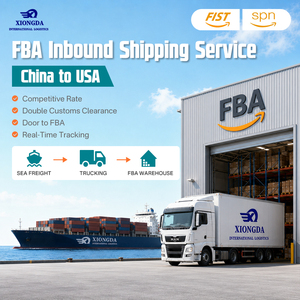
Cheap And Reliable Logistics Services Freight Forwarder Sea Shipping Agent From China To USA Amazon FBA Inbound Shipping Service
• Audit Level: FBA Packaging & Barcode Verification
• Warehousing: US Bonded Storage & Sorting
• Inspection: Pre-FBA Acceptance Audit
Aeo Certified Freight Forwarder to Australia Rail Transport 20gp Full Container Load Sea Shipping Service
• Accreditation: Authorized Economic Operator (AEO)
• Mode: Intermodal Rail-Sea Logistics
• Integrity: Automated Seal & Container Tally
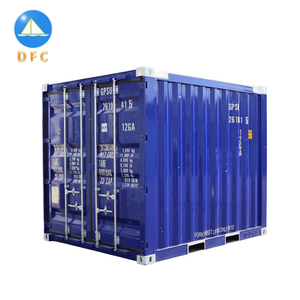
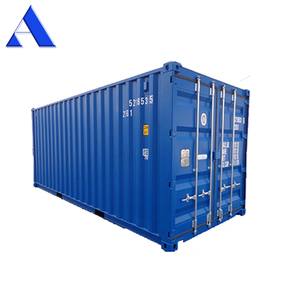
Brand NEW Stock ISO Standard Sea Transportation Empty 6m 20 Feet Length Dry Cargo 20ft Shipping Container For Sale
• Standard: ISO 6346 / CSC Safety Approved
• Quality: Corten-Steel Weatherproof Build
• Availability: Immediate Factory Inventory
29+
Years Industry Dominance (Est. 1995)
140+
Global Freight Destination Ports
99.85%
Pre-Shipment Compliance Clearance Rate
FMC / FAA
Licensed NVOCC & D/G Air Carrier
Executive Industry Whitepaper
The Strategic Imperative of OEM/ODM Commercial Cargo Inspection in Global Supply Chains
In modern international trade, procurement managers face compounding risks: volatile geopolitical landscapes, stringent customs compliance mandates (such as US CBP C-TPAT and EU AEO standardizations), and non-negotiable quality metrics. As an industry-leading OEM/ODM commercial cargo inspection services supplier and exporter, G&B International Logistics (Green & Blue Group) provides an authoritative technical defense mechanism designed to eliminate product defect leakage, prevent expensive port delays, and optimize freight tariff structures before goods clear the factory floor.
Established in 1995 and headquartered in Wood Dale, Illinois (adjacent to the Chicago O'Hare international freight corridor), G&B International has evolved from an ocean and air freight agency into a fully integrated 4th Generation Logistics (4GL) and global inspection ecosystem. Securing Federal Maritime Commission (FMC) licensure as an NVOCC (#4159N/F) in 1996 and establishing dedicated air cargo operational hubs at Los Angeles (LAX) and New York (JFK) in 1997, our enterprise infrastructure guarantees complete legal, structural, and regulatory oversight across all international shipping lanes.
1995
Corporate Foundation & Chicago Gateway Setup
G&B International, Inc. founded in Chicago, IL, specializing in cross-border ocean/air cargo transportation, container surveying, and US Customs clearance.
1996
FMC NVOCC Licensing (#4159N/F)
Acquired official Federal Maritime Commission license in Washington, D.C., authorizing full NVOCC chartering and contracted bill of lading issuance.
2000
FAA Membership & Dangerous Goods (D/G) Certification
Obtained D/G Operation Certificate (#A03043) and FAA endorsement for high-risk hazardous air cargo inspection and specialized export packaging.
2001 - 2003
US Customs ISA Accreditation & Bonded Facility Acquisition
Awarded ISA Certificate (#GL0110004) by US Customs. Purchased company-owned 50,000+ sq.ft. bonded warehouse facility in Elk Grove Village, IL for cargo auditing and storage.
2006 - Present
4GL Platform Launch, KOTRA Partnership & SAM'S Club Integration
Pioneered 4th Generation Logistics (4GL) system integration. Contracted as official strategic logistics partner for KOTRA and designated vehicle/bulk cargo auditor for retail giants including SAM'S Club.
Standardized Quality Inspection Protocols for Commercial Cargo
Our rigorous quality control framework adheres strictly to international acceptance sampling systems, including ISO 2859-1 and ANSI/ASQ Z1.4 standards, ensuring every batch conforms to engineered parameters.
Pre-Shipment Inspection (PSI)
Performed when production is at least 80% complete and packaged. Our engineers inspect cosmetic finish, dimensional tolerances, functional performance, shipping markings, and packaging drop-test resistance.
Container Loading Supervision (CLS)
Rigorous physical verification during container stuffing. We audit structural integrity, verify ISO container door seals, inspect floor humidity levels, enforce weight distribution balance, and certify anti-tamper locks.
DNV / Offshore Heavy Cargo Audits
For specialized industrial equipment and flat-rack ocean containers, our certified surveyors execute Non-Destructive Testing (NDT), pad-eye weld inspections, and dynamic load testing under DNV 2.7-1 rules.
ANSI/ASQ Z1.4 Acceptance Quality Limit (AQL) Standard Matrix
The following table outlines our standardized statistical sampling criteria used during commercial cargo pre-shipment inspections:
| Inspection Scope Level |
Sample Size Code Letter |
Defect Type |
AQL Tolerance Metric |
Corrective Action Threshold |
| Level I (Reduced Inspection) |
Code G (32 Units) |
Critical Defect |
0.00% (Zero Tolerance) |
Immediate Batch Rejection & Retest |
| Level II (Standard Normal) |
Code K (125 Units) |
Major Defect |
1.50% Maximum Allowed |
100% Factory Re-sorting Required |
| Level III (Tightened Audit) |
Code M (315 Units) |
Minor Defect |
4.00% Maximum Allowed |
Supplier Warning & Packaging Redesign |
| Container Structural (CLS) |
100% ISO Container Survey |
Structural Leak / Mold Risk |
0.00% Defect Tolerance |
Container Re-sealing & Dehumidification |
Industry Analysis & Market Dynamics
Future Procurement Trends in Cargo Inspection & Global Logistics
As B2B buyers navigate decentralized supply chains, the commercial cargo inspection sector is experiencing a massive technological shift driven by automation, telemetry, and stringent global compliance standardizations.
1. AI-Driven Vision Inspection & Hyperspectral Scan Telematics
Traditional manual sampling is rapidly being augmented by automated computer vision systems. High-resolution hyperspectral cameras integrated into assembly line export stations can detect micro-cracks, material impurities, and subtle color variance in bulk goods long before goods reach the container loading terminal. By automating visual quality assurance, OEMs reduce inspection latency by up to 65%.
2. Smart Container IoT Integration & Environmental Telemetry
Modern commercial cargo procurement demands real-time visibility into internal shipping conditions. Advanced ISO containers and flat racks are now embedded with cellular and satellite IoT sensor arrays. Procurement teams can monitor internal temperature, shock impact, tilt angles, and relative humidity in real time, guaranteeing that sensitive electronic OEM parts or chemical D/G shipments arrive without environmental degradation.
3. ESG Compliance & Carbon Footprint Certification (CBAM & AEO Integration)
With the enforcement of the European Union’s Carbon Border Adjustment Mechanism (CBAM) and strict U.S. C-TPAT auditing, cargo inspection extended beyond product quality to include supply chain ESG metrics. Export buyers now require third-party inspection agencies to audit wood pallet heat-treatment compliance (ISPM-15), verify recycled packaging percentages, and issue verified carbon impact certificates for ocean freight routes.
4. Blockchain-Backed Digital Certificates of Analysis (CoA)
To eliminate document fraud and expedite customs entry processing, international export forwarders are transitioning toward immutable distributed ledger systems. Pre-shipment inspection certificates, customs release forms, and bills of lading are cryptographically anchored to public blockchain nodes, allowing port authorities and enterprise buyers to verify authenticity instantly.
Global Supply Chain Development Trends & Export Optimization
Key structural shifts in multi-modal freight transport, nearshoring strategies, and customs clearance protocols shaping cross-border commercial trade.
Nearshoring & Regionalized Bonded Warehousing
Global enterprises are shifting from pure off-shoring to regionalized distribution hubs. Strategic bonded warehouse hubs—such as G&B’s 50,000 sq.ft. facility in Elk Grove Village, Chicago—enable importers to defer customs tariffs while performing local quality checks and rapid last-mile distribution.
AEO & C-TPAT Green-Lane Priority Clearance
Importers partnering with accredited forwarders holding AEO (Authorized Economic Operator) and C-TPAT security certifications experience up to 80% fewer physical border detentions. Priority customs clearance drastically reduces demurrages and inventory holding costs.
Multi-Modal Rail-Sea-Air Synergies
Combining ocean freight economics with express rail transport (such as Australia Rail or Trans-American corridors) offers a cost-to-speed ratio 40% more efficient than standard air express freight, making multi-modal routing the default strategy for high-value OEM cargo.
User Intent Mining & Technical Support
Frequently Asked Questions (FAQ) for Cargo Procurement Managers
Get technical insights into cross-border cargo inspection, licensing requirements, container standards, and freight forwarder selection criteria.
Q:
What is the core difference between OEM and ODM commercial cargo inspection services?
OEM (Original Equipment Manufacturer) inspection focuses on verifying that goods are manufactured to exact buyer-provided CAD blueprints, dimensional specifications, and custom material standards. ODM (Original Design Manufacturer) inspection focuses on evaluating factory-designed off-the-shelf products for branding accuracy, safety compliance, packaging durability, and functional stability under standardized batch parameters.
Q:
Why are FMC NVOCC and FAA Dangerous Goods certifications critical when selecting an export shipping agent?
An FMC-licensed NVOCC (such as G&B License #4159N/F) is legally authorized to issue house bills of lading, contract directly with ocean vessel carriers, and manage freight claims under Federal U.S. maritime law. FAA membership and D/G certification (#A03043) ensure that hazardous, battery-operated, or chemical air cargo is inspected, packaged, and declared under strict ICAO/IATA safety mandates to prevent cargo rejection or severe port fines.
Q:
What structural testing protocols are required for DNV-certified offshore flat-rack containers?
Offshore containers used for industrial project logistics must comply with DNV 2.7-1 / EN 12079 standards. Inspection includes 100% Non-Destructive Testing (NDT) on primary load-bearing welds, dynamic 2.5x Max Gross Mass payload lift tests, magnetic particle flaw detection on lifting pad-eyes, and weatherproofing salt-spray corrosion tests to withstand harsh offshore environments.
Q:
How does Pre-Shipment Inspection (PSI) protect importers using DDP and DDU freight terms?
Under DDP (Delivered Duty Paid) or DDU (Delivered Duty Unpaid), defects discovered after cargo delivery result in complex cross-border return logistics, lost customs duty payments, and severe supply chain delays. Conducting a factory-gate PSI ensures defective batches are identified and reworked locally before duty payment and international transport expenses are incurred.
Q:
What role does an ISA Certificate from US Customs play in streamlining import clearing?
An ISA (Importer Self-Assessment) certification (#GL0110004) demonstrates that a freight forwarder maintains verified internal compliance controls with US Customs and Border Protection. This designation grants preferential green-lane processing, minimal physical container holds, and accelerated customs clearance across all major US arrival ports.
Q:
How does G&B International’s 4GL system integrate cargo inspection telemetry into client WMS networks?
Our 4th Generation Logistics (4GL) infrastructure connects real-time container tallying, high-definition inspection photo archives, seal status telemetry, and barcode scans directly to enterprise ERP/WMS platforms via automated API feeds. Importers gain total end-to-end operational visibility from origin stuffing to final warehouse delivery.