



Explore our enterprise-grade freight forwarding services, container logistics systems, and multimodal transport frameworks configured for complete real-time tracking.

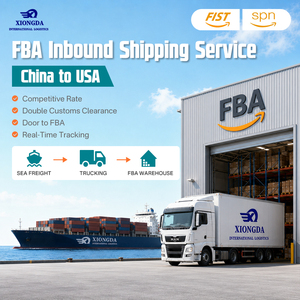
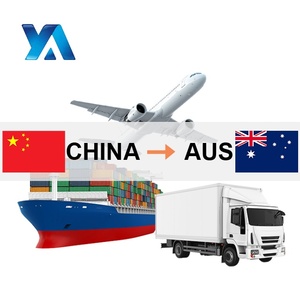
In modern global logistics, real-time visibility is no longer an optional premium feature; it is the fundamental infrastructure powering modern enterprise supply chains. Volatile geopolitical landscapes, climate-driven maritime rerouting, port congestions, and stringent customs compliance regimes require global importers and exporters to shift from reactive disruption management to proactive, telemetry-driven logistics strategies.
Supply Chain Visibility (SCV) encompasses the real-time tracking of physical goods, electronic documentation, financial milestones, and environmental variables from raw material sourcing through first-mile dispatch, ocean or air transit, customs clearance, and final-mile distribution. Beyond basic GPS pinging, top-tier SCV platforms synthesize ocean carrier EDI data, AIS vessel telemetry, IoT sensor outputs, customs entry status (such as US Customs ACE/ISF filings), and WMS inventory levels into a unified operational control tower.
Enterprise procurement teams utilizing 4GL (4th Generation Logistics) integrated visibility platforms experience an average 34% reduction in demurrage and detention (D&D) costs, a 22% improvement in inventory turnover efficiency, and a 45% decrease in manual tracking inquiries.
When selecting a Supply Chain Visibility supplier and exporter, enterprise buyers must evaluate providers across five technical benchmarks: data granularity, multi-modal integration, predictive analytics capability, regulatory compliance automation, and physical asset ownership/brokerage authorization.
| Solution Category | Primary Technical Mechanism | Key Operational Metrics | Best Suited Operational Use Case |
|---|---|---|---|
| Predictive Ocean Telemetry | AIS Tracking + Historical Carrier Big Data | ETA Precision, Port Dwell Time | FCL Ocean Cargo & Transpacific Freight |
| Active IoT Sensor Suite | Cellular/Satellite Shock & Temp Sensors | Temp Excursion, Tilt, Tamper Alert | Cold Chain, High-Value Electronics, Project Cargo |
| Customs & Regulatory Visibility | Direct Automated Broker Interface (ABI) / ACE | Holds, Exams, Duty Release Timelines | US Customs Clearance, DDP/DDU Shipments |
| 4GL Enterprise Control Towers | Unified API Integrations + ERP/WMS Sync | End-to-End Order Line Item Status | Multinational Retailers, KOTRA Oversea Networks |
| Milestone-Based EDI Tracking | EDI 214, 315, 211 Automated Status Feeds | Container Gate-In/Out, Vessel Discharge | Standard LCL Freight & Amazon FBA Inbound |
A true enterprise SCV partner provides more than software dashboards; they combine physical transportation assets, NVOCC licensing, bonded warehousing facilities, and proprietary software architecture to guarantee end-to-end data integrity.
Direct digital integration with major steamship lines, air cargo carriers, and rail operators, eliminating status lag and providing instantaneous container event alerts.
Real-time visibility into US Customs (CBP) entries, ISF 10+2 status, Partner Government Agency (PGA) releases, and automated Duty payment milestones.
GPS-enabled chassis tracking and automated port drayage dispatch management, ensuring seamless transition from vessel discharge to final warehouse ramp.
As enterprise procurement executives re-evaluate their supply chain vendor networks, several technological shifts are redefining standard RFPs for logistics and visibility services:
Traditional visibility relied on historical milestone timestamps (e.g., "Container Discharged"). Modern procurement demands predictive ETA engines powered by machine learning algorithms that factor in weather patterns, port queue lengths, transshipment port congestion rates, and historical carrier performance to predict final delivery dates with up to 98% accuracy 14 days in advance.
Global climate disclosure regulations require enterprise importers to track Scope 3 emissions down to the individual SKU level. Advanced visibility platforms now aggregate transport distance, vessel fuel economy, payload weight, and transport mode to calculate real-time CO2 emissions per shipment, providing audit-ready ESG reporting.
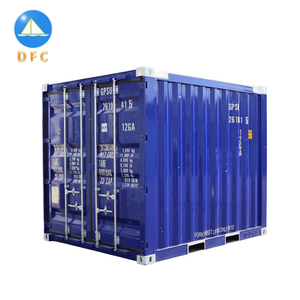
For specialized industrial cargo, offshore equipment (such as DNV Certified Flat Rack units), pharmaceutical products, and sensitive electronics, visibility is no longer limited to geographic location. Real-time telemetry monitoring temperature, relative humidity, atmospheric pressure, and physical g-force shock impacts is mandatory for insurance compliance and quality assurance.
Importers are moving away from fragmented software providers that sit on top of third-party logistics data. Instead, there is a strong procurement trend toward partnering directly with licensed NVOCCs and 4GL providers who own and operate their own WMS/TMS infrastructure, guaranteeing that data originates directly from physical operational handlers.
The convergence of ocean shipping, air cargo, and land transport technology has birthed new logistics capabilities. Below is an analytical breakdown of how modern technical developments impact global supply chains:
Founded in 1995 and headquartered in Wood Dale, Illinois (Chicago gateway), G&B International Logistics brings nearly three decades of enterprise freight forwarding, 4GL control tower management, and certified regulatory authority to global supply chains.
Building a resilient, high-efficiency international supply chain requires pairing enterprise visibility software with proven, certified physical logistics operators. By partnering with a fully licensed NVOCC, ISA-certified customs broker, and experienced 4GL logistics provider, global traders eliminate data blind spots, lower landed costs, and secure competitive lead-time advantages in today’s demanding market.
Consult with G&B International Logistics' senior supply chain engineers to design a customized multimodal transport, customs, and real-time tracking solution tailored to your operational requirements.