
Directly Verified Fleet, Ocean Freight, and Customs Clearance Services for Global Procurement

In an era defined by macro-economic volatility, port congestion, evolving international trade tariffs, and demanding omnichannel fulfillment windows, selecting the right partner from the global roster of Third Party Logistics Management Factories & Exporters has transitioned from a tactical transactional decision to a core strategic imperative. Modern supply chains require significantly more than static freight brokering; they demand integrated 4th Generation Logistics (4GL) infrastructure, regulatory tariff engineering, real-time cargo telematics, and seamless multi-modal transportation systems.
This industry whitepaper evaluates the operational architecture, risk mitigation frameworks, and technical standards governing premier 3PL management providers. Designed for Chief Logistics Officers (CLOs), procurement directors, and international trade managers, this analysis dissects how market-leading logistics exporters utilize certified equipment (such as DNV 2.7-1 offshore containers), bonded warehouse networks, and specialized customs compliance (FMC, AEO, and ISA certifications) to eliminate supply chain friction and drive cost efficiencies.
Understanding Operational Depth & Technology Integration across Logistics Service Tier Standards
| Logistics Model | Primary Operational Scope | Technology Architecture | Customs & Regulatory Risk Handling | Ideal Enterprise Profile |
|---|---|---|---|---|
| 1PL (First-Party) | In-house fleet, point-to-point local delivery | Basic internal ERP / Manual Dispatch | 100% Internal liability | Local manufacturers & regional distributors |
| 2PL (Second-Party) | Asset-based carriers (Ocean lines, Rail, Airlines) | Carrier EDI & basic tracking portals | Carrier Bill of Lading liability only | Commodity bulk exporters |
| 3PL (Third-Party) | Integrated Warehousing, Freight Forwarding, FCL/LCL | Cloud WMS, TMS, Automated Customs Filing | Managed DDP/DDU, ISF 10+2, HTS Classification | Global brands, Cross-border Exporters, FBA Sellers |
| 4GL / 4PL (Fourth-Party) | End-to-end supply chain orchestration & consulting | API/EDI Control Towers, AI Demand Forecasting | Comprehensive global trade audit & governance | Enterprise Retailers (e.g., SAM'S Club-tier operations) |
Emerging Vectors Driving Global Export Efficiencies, Risk Reduction, and Rate Stabilization
Leading 3PL exporters are replacing static ocean/air bookings with dynamic multi-modal algorithms. Combining sea-rail-road options dynamically bypasses port bottlenecks, cutting transit times by up to 28% while stabilizing container costs during peak ocean rate surges.
Global trade compliance now mandates automated Importer Security Filing (ISF) and ACE integration. Professional 3PL factories handle complex DDP (Delivered Duty Paid) liabilities upfront, managing customs tariffs, VAT clearance, and local drayage under strict regulatory guidelines.
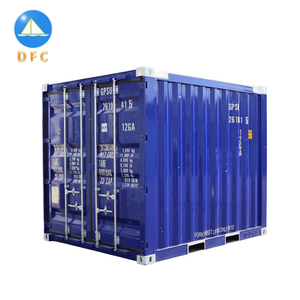
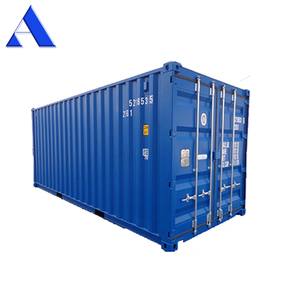
Beyond standard 20GP/40HQ dry boxes, industrial project logistics increasingly rely on custom-engineered, DNV-certified offshore flat racks and open-top containers. Securing certified container assets ensures structural integrity under extreme maritime transport conditions.
Demonstrating E-E-A-T (Experience, Expertise, Authoritativeness, Trustworthiness) in Global Freight Engineering
True operational reliability in third-party logistics hinges on formal regulatory licensing and government compliance. Premier logistics providers maintain rigorous international standards to ensure uninterrupted freight clearance:
Headquartered in Wood Dale, Illinois (near Chicago's global transit gateway) since 1995, advanced 3PL management networks operate company-owned bonded warehousing, strategic airport gateways, and retail distribution centers:
When contracting with Third Party Logistics Management Factories & Exporters, understanding risk transfer points is critical for landed cost calculations:
1. DDP (Delivered Duty Paid): The exporter/3PL assumes maximum responsibility, managing origin pick-up, ocean/air transport, export customs, destination customs entry, import duty payments, and final door delivery. This model provides complete cost transparency for e-commerce, Amazon FBA sellers, and B2B buyers who require predictable landed pricing.
2. DDU / DAP (Delivered Duty Unpaid / Delivered at Place): The 3PL handles transit to the buyer's designated door location, but the buyer remains responsible for paying local customs duties, VAT, and import tax assessments upon arrival. Ideal for buyers with existing tax credits or specialized customs bonds in the destination country.
3. FCL (Full Container Load) vs. LCL (Less than Container Load): FCL shipments utilize dedicated 20GP, 40GP, or 40HQ containers, guaranteeing security, zero co-loading risks, and fastest transit. LCL consolidates cargo from multiple shippers into single containers, optimizing cost efficiency for mid-volume consignments (1 to 15 CBM).
Expert Insights on Selecting 3PL Managers, Customs Clearance, and Global Container Shipping
When auditing prospective Third Party Logistics Management Factories & Exporters, enterprise procurement teams should execute the following 5-step evaluation protocol:
Connect with our senior freight engineers to evaluate your ocean, air, and customs clearance requirements. Access competitive FCL/LCL contract rates and tailored 4GL supply chain management.
Get a Quote