
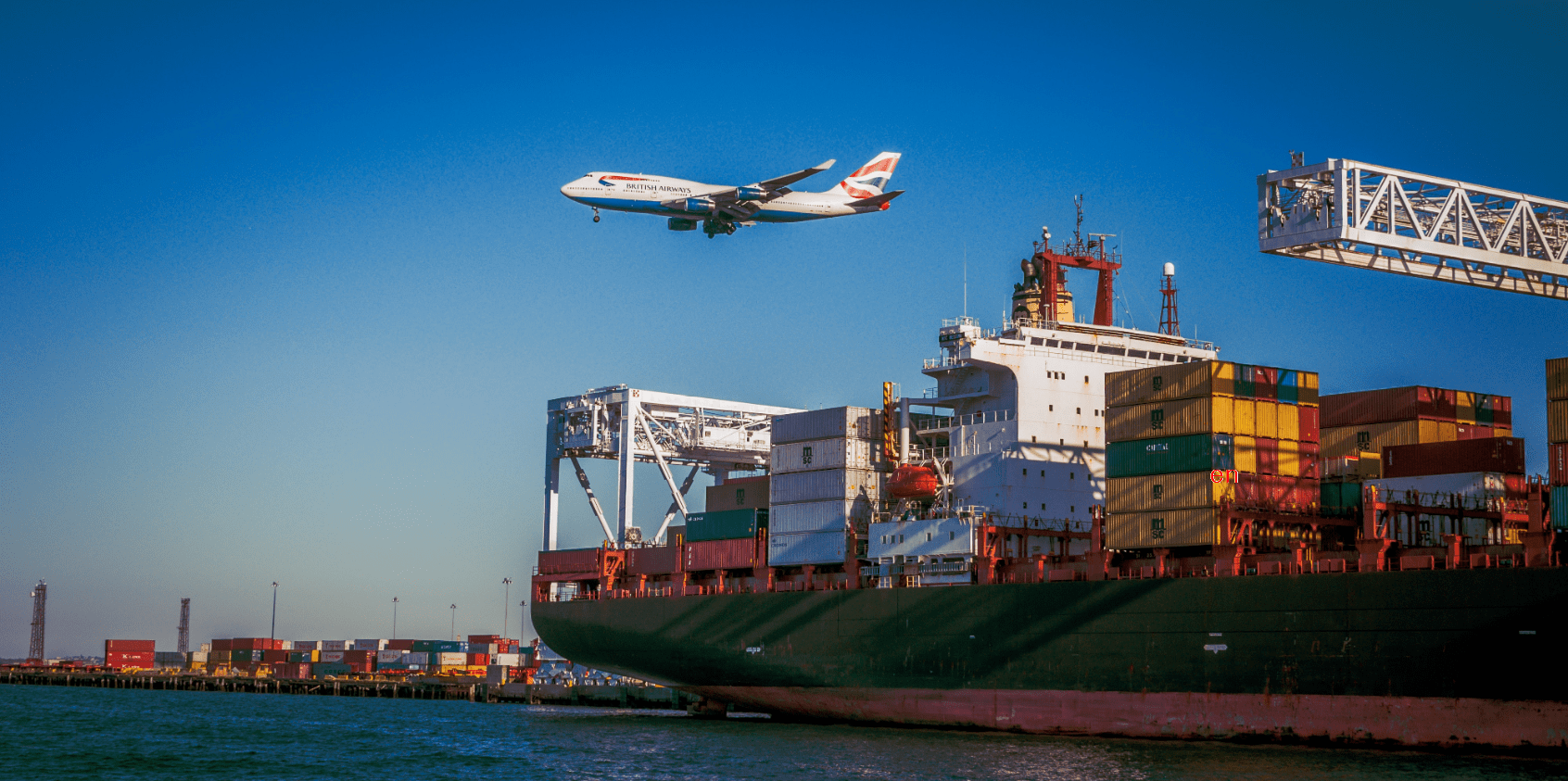
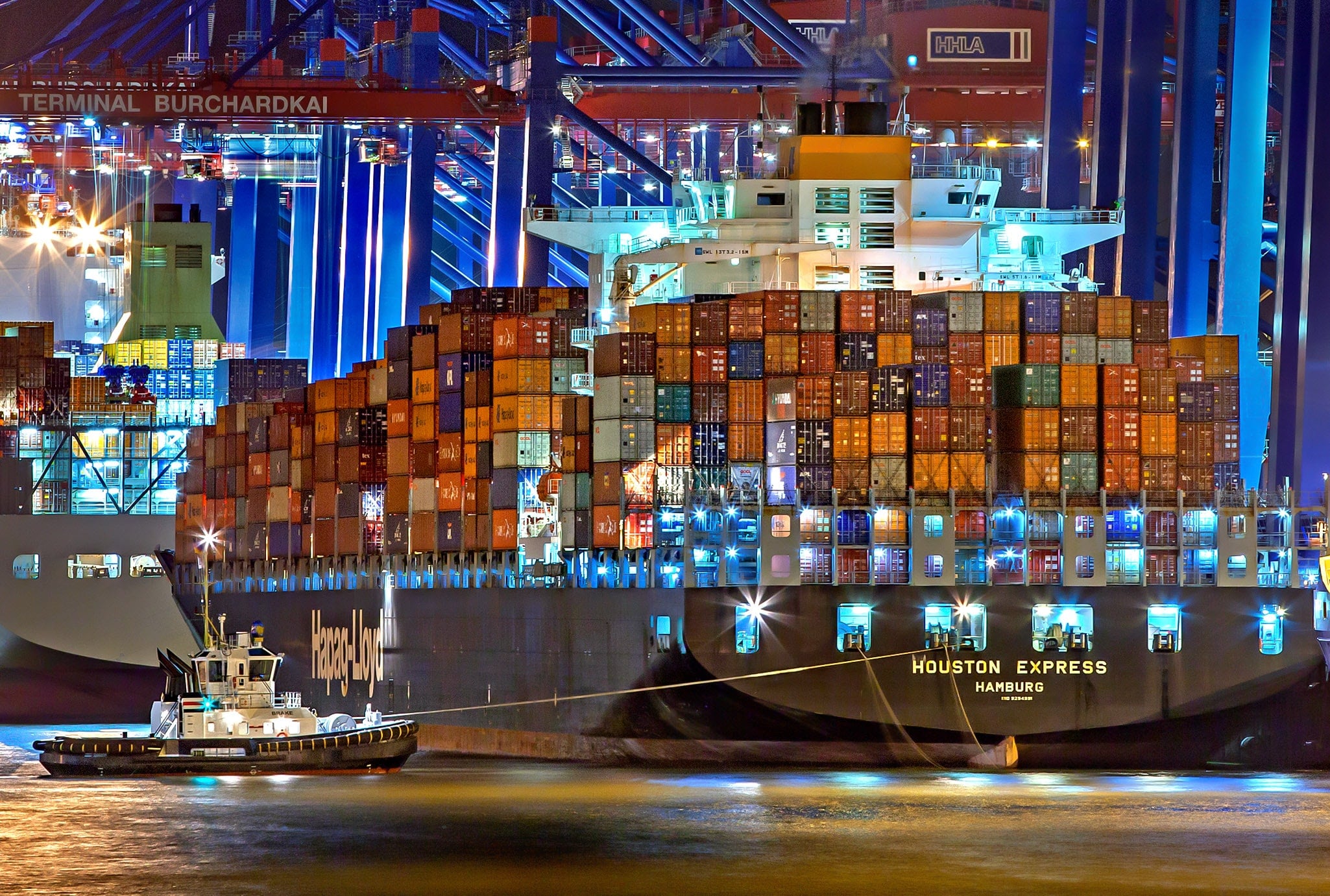
Direct manufacturer-integrated shipping models, DDP/DDU tax-prepaid routing, AEO rail corridors, and certified industrial container engineering.
Leveraging 29 years of supply chain engineering, regulatory licensing, and corporate infrastructure to deliver frictionless international cargo transportation.
Established in 1995, G&B International Logistics (Green & Blue Group) holds premier tier licenses including Federal Maritime Commission (FMC NVOCC #4159N/F), FAA Air Freight Certification, U.S. Customs ISA Authorization (#GL0110004), and Dangerous Goods Handling Certification (#A03043). Your shipments bypass intermediary bottlenecks with direct regulatory clearance authority.
Operating company-owned bonded distribution hubs in Elk Grove Village, Illinois, along with strategic gateway branch facilities at Los Angeles International Airport (LAX), John F. Kennedy International Airport (JFK), and Chicago O'Hare (ORD), G&B provides seamless de-consolidation, cross-docking, and last-mile drayage across North America.
Pioneering 4th Generation Logistics (4GL) consulting, we orchestrate complex distribution networks for enterprise retailers such as SAM'S Club. As an officially contracted Joint Overseas Distribution Center partner with KOTRA, we bridge global manufacturers directly into top-tier overseas retail shelf and fulfillment networks.
An executive analysis of macro-economic shifts, regulatory evolutions, and technological transformations defining global parcel logistics through 2030.
Global parcel freight from China is undergoing a structural realignment. Rising geopolitical disruptions along traditional ocean lanes and fluctuating jet fuel surcharges have catalyzed adoption of multi-modal trade corridors. Freight forwarders are increasingly deploying sea-rail hybrid matrices—combining ocean transit from major Chinese manufacturing hubs (Ningbo-Zhoushan, Shenzhen, Qingdao) with inner-continental rail corridors (such as the China-Europe Railway Express and North American Intermodal Rail networks). This approach cuts transit times by 35% compared to standard ocean freight while reducing carbon emissions by up to 60% compared to pure air cargo.
Customs authorities worldwide—notably the U.S. Customs and Border Protection (CBP) and European Union tax commissions—are systematically auditing small-parcel customs exemptions. The anticipated sunsetting or restructuring of De Minimis thresholds (such as U.S. Section 321 entries) requires manufacturers and logistics providers to transition toward fully compliant DDP (Delivered Duty Paid) frameworks. Automated Entry Type 86 digital filings, automated IOSS (Import One-Stop Shop) VAT declarations, and bonded warehouse clearance mechanisms are now mandatory infrastructure for high-volume B2B and B2C parcel exporters.
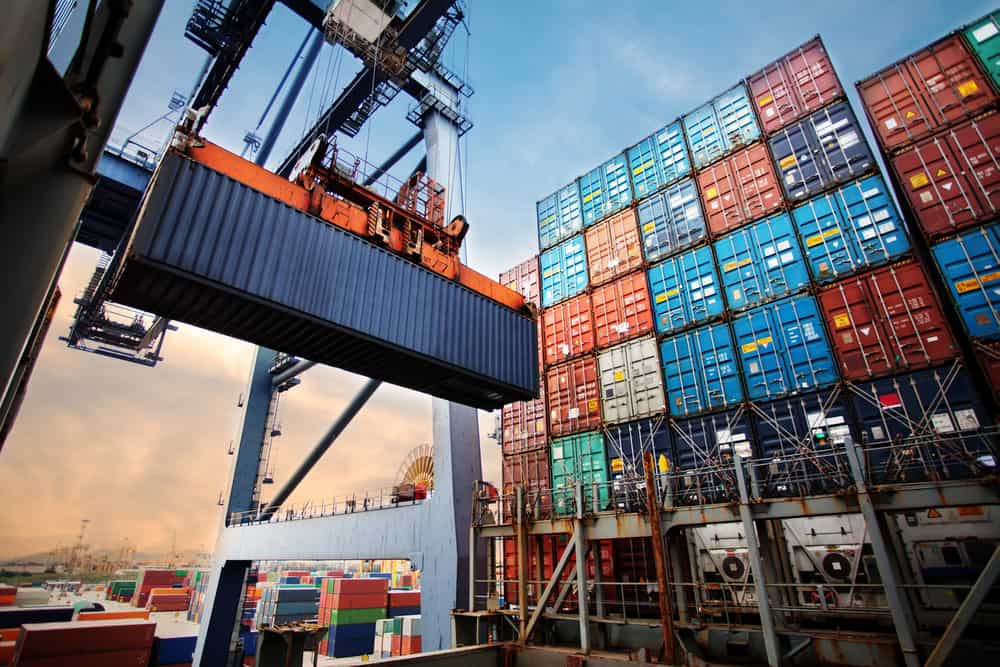
Beyond small parcel consolidation, industrial project logistics demands specialized containerized solutions. Industrial procurement trends indicate a 42% increase in demand for DNV 2.7-1 certified offshore containers and customized flat-rack units. Industrial manufacturers require containers capable of surviving harsh offshore marine environments, high dynamic structural loads, and severe weather. The integration of high-tensile Corten-A steel, anti-corrosive zinc-rich priming, and dual ISO/CSC certification ensures structural integrity during intermodal heavy-lift transfers.
How institutional buyers, brand owners, and factory procurers can optimize freight costs, mitigate duty risk, and guarantee carrier space.
Relying on spot freight rates leaves enterprise supply chains vulnerable to peak-season surcharges (PSS) and equipment shortages. Forward-thinking procurement officers are securing Strategic Capacity Allocation Agreements (SCAA) with FMC-licensed NVOCCs, locking in indexed base ocean rates while securing guaranteed container allocations during Q3/Q4 surges.
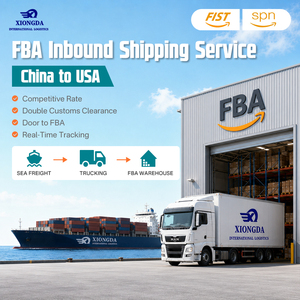
Rather than shipping individual parcels directly from China factories to overseas Amazon fulfillment centers (which risks high inventory holding fees and split-shipment placement surcharges), buyers are deploying US bonded warehouse hubs. Freight is shipped in bulk via ocean FCL/LCL, deconsolidated at inland Chicago hubs, and injected locally into FBA nodes based on real-time SKU velocity.
| Logistics Mode | Average Lead Time | Cost per Kg / CBM | Customs Risk Level | Ideal Cargo Profile |
|---|---|---|---|---|
| Express Air Freight DDP | 3 – 5 Days | High ($5.50 – $8.50/kg) | Low (Pre-cleared) | High-value electronics, urgent samples, seasonal apparel |
| Fast Sea Express LCL DDP | 11 – 14 Days | Medium ($1.80 – $3.20/kg) | Low (Automated Type 86) | E-commerce restocking, medium-volume retail parcels |
| Standard Ocean FCL (20GP/40HQ) | 18 – 26 Days | Lowest ($80 – $140/CBM equivalent) | Medium (Requires Bond) | Bulk factory shipments, raw materials, heavy goods |
| AEO Rail Intermodal Corridor | 14 – 18 Days | Moderate ($2.50 – $4.00/kg equivalent) | Lowest (AEO Priority) | Industrial machinery parts, cross-Eurasian trade |
| DNV Offshore Flat Rack Container | Varies by Route | Specialized Project Freight | Low (Certified Structure) | Offshore energy equipment, oversized mining machinery |
Technical guidance on customs compliance, tax settlement, container specifications, and transit optimization.
Under DDP (Delivered Duty Paid), the seller/freight forwarder assumes full responsibility for paying import duties, taxes (such as VAT or GST), and customs clearance fees prior to final-mile delivery. The buyer receives the package with no additional fees upon door arrival. Under DDU (Delivered Duty Unpaid), the destination buyer or importer of record is legally required to pay import tariffs and clearance processing charges directly to customs or the local courier before cargo release. DDP is strongly recommended for B2B e-commerce and Amazon FBA inbound logistics to eliminate delivery friction.
Federal Maritime Commission (FMC) licensing certifies that a Non-Vessel Operating Common Carrier (NVOCC) operates under strict financial responsibility standards, maintaining mandatory surety bonds to safeguard buyer freight funds. FMC-licensed entities have direct contract filing privileges with major ocean vessel alliances (2M, Ocean Alliance, THE Alliance), enabling them to issue legally binding Ocean Bills of Lading, secure contract rate stability, and handle legal dispute resolution through U.S. federal maritime channels.
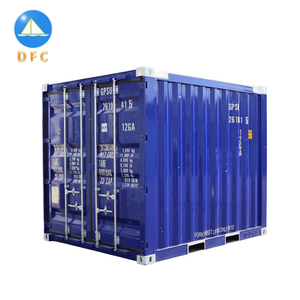
DNV certified containers (under DNV 2.7-1 / EN 12079 standards) undergo rigorous structural stress testing to withstand dynamic forces in offshore marine environments. Unlike standard ISO dry containers, DNV offshore flat racks feature heavy-duty lifting pad-eyes engineered for dynamic offshore crane operations, structural yield steel rated for freezing marine temperatures (-20°C to -40°C), and full destructive NDT (Non-Destructive Testing) weld inspection certification. They are essential for industrial project cargo, oil & gas machinery, and heavy energy infrastructure transportation.
Shipping hazardous goods or lithium battery packs requires strict compliance with Dangerous Goods (D/G) regulations under FAA, IATA (Air), and IMO (Ocean) codes. Buyers must provide verified UN 38.3 test summaries, Material Safety Data Sheets (MSDS), and proper UN-rated outer packaging. Contracting a freight forwarder holding certified D/G Operation credentials (such as G&B’s Certificate #A03043) ensures accurate dangerous goods declarations (DGD), correct hazard labeling, and approved slot allocation on certified cargo aircraft and ocean vessels.
AEO certification is a globally recognized trade security partnership granted by customs authorities. Shipments processed through AEO-certified logistics corridors benefit from significantly reduced physical document inspection rates (often reduced by up to 70–80%), priority customs processing during port congestion, and expedited clearance protocol at border crossings across Australia, Europe, and Asia-Pacific trade routes.
For ocean freight bound directly for Amazon FBA fulfillment centers, the freight forwarder’s local drayage fleet interacts directly with Amazon’s Carrier Appointment Request Portal (CARP). Once cargo arrives at the local port or bonded warehouse (e.g., Chicago or Los Angeles), pallets are checked against Amazon’s FBA barcode standards, loaded onto dedicated box trucks, and delivered within assigned CARP appointment windows to avoid drop-off rejection and non-compliance fines.
LCL (Less than Container Load) consolidation is optimal when shipment volume ranges between 1 CBM and 15 CBM, or when inventory speed-to-market outweighs waiting to fill a complete 20GP container (approx. 28–30 CBM). Modern fast-sea LCL services combine shared container space with express ocean transit and automated destination deconsolidation, giving small-to-medium parcel batches near-air-freight speeds at a fraction of air cargo tariffs.
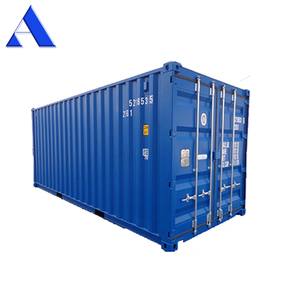
A standard 20ft ISO dry cargo container measures 6.058m in length, 2.438m in width, and 2.591m in height externally, offering an internal cubic capacity of approximately 33.2 cubic meters (CBM). Standard maximum gross weight rating is 30,480 kg, with a tare weight of approximately 2,200 kg, allowing a net payload capacity of up to 28,280 kg. Ensure all units purchased or leased carry valid CSC (Container Safety Convention) safety plates for intermodal rail and sea transport.