
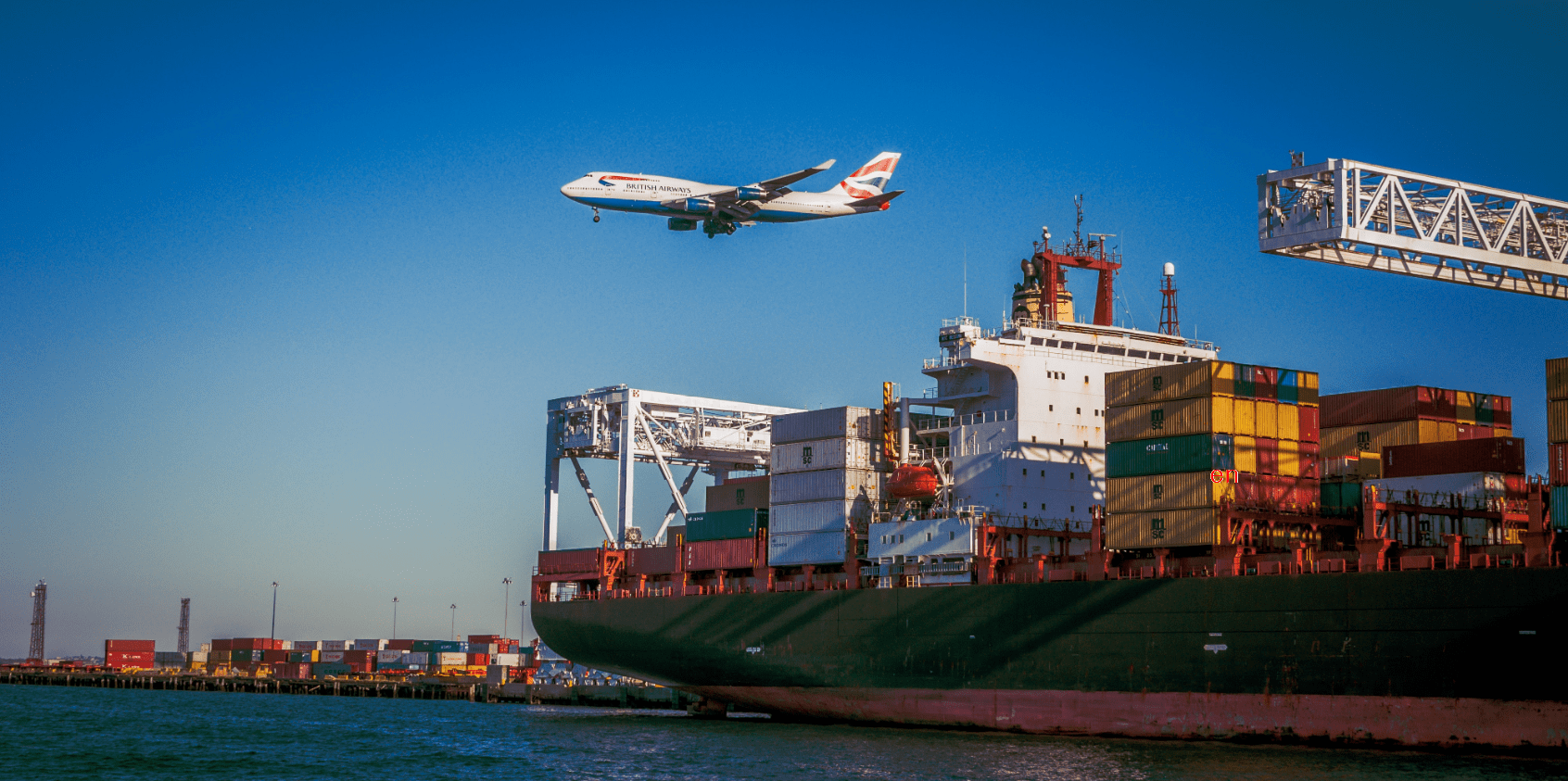
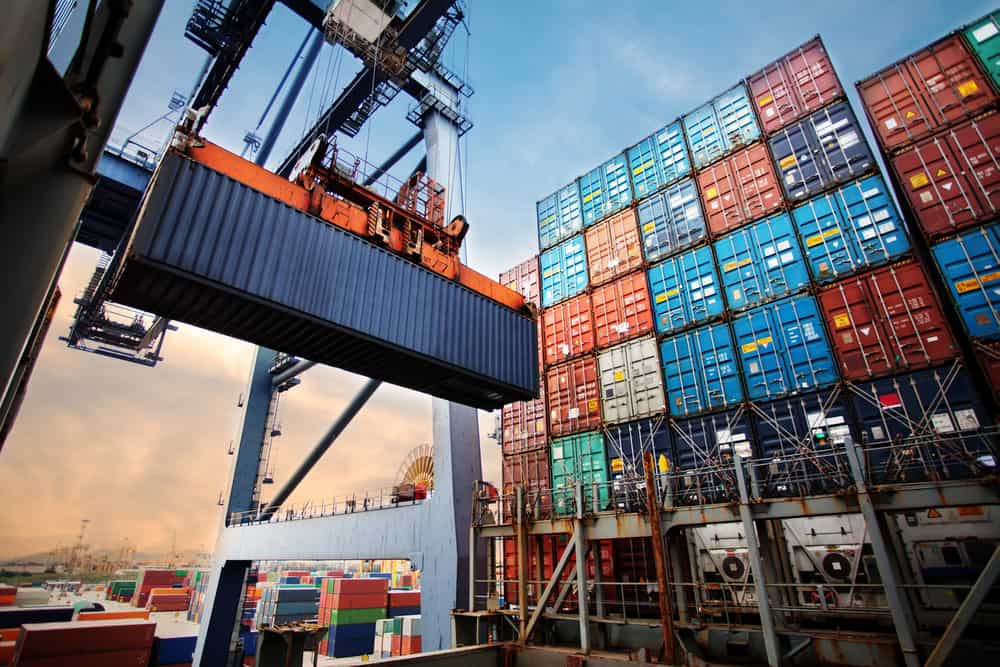
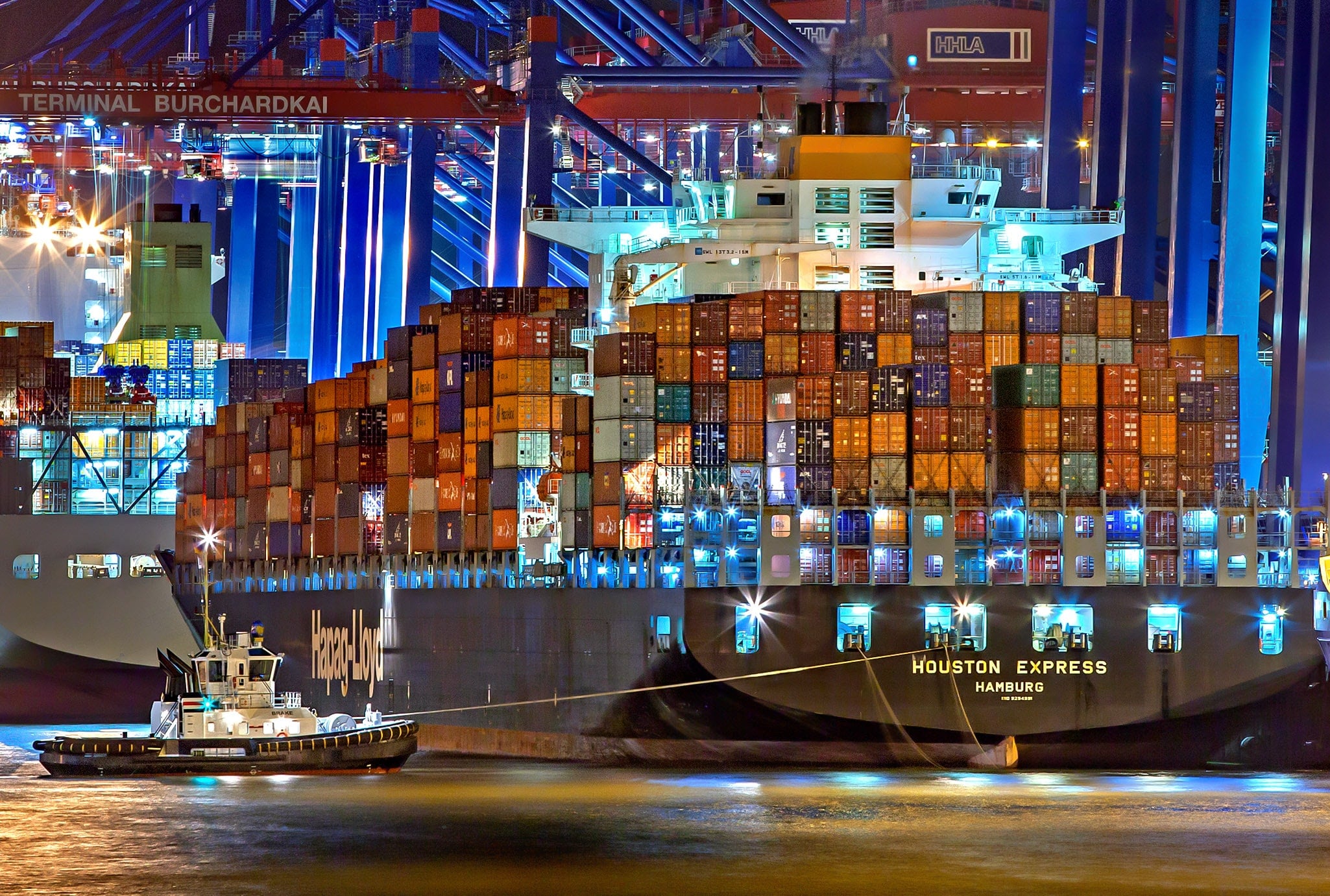
Explore high-efficiency freight solutions, automated parcel dimensioning systems, and multi-gateway transshipment networks engineered for international trade optimization.
Integrated multi-modal consolidation from major China gateways (Ningbo, Shenzhen, Shanghai) to US/UK/Canada with end-to-end customs clearance.
Contact Us
Specialized ocean-express transshipment routing optimized for Yiwu and Zhejiang manufacturing hubs via Los Angeles port gateways.
Contact Us
High-speed airport-to-airport and door-to-door air cargo hub management leveraging FAA-affiliated flight carrier blocks.
Contact Us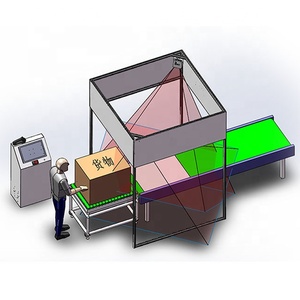
Precision barcode scanning and dynamic volumetric weighing machinery for modern transshipment hub cross-docking operations.
Contact Us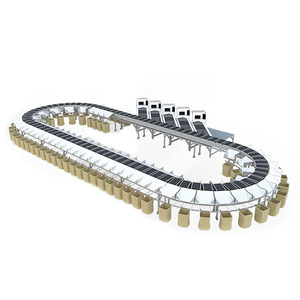
High-capacity automated sorting conveyor infrastructure designed to optimize speed and reduce labor overhead in transshipment hubs.
Contact Us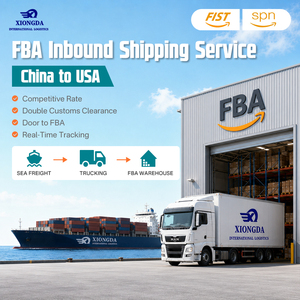
Streamlined FBA inbound freight forwarding combining vessel capacity guarantee with automated destination fulfillment appointment scheduling.
Contact Us
Global hub-to-hub express transport connecting manufacturing origins with bonded transshipment centers across North America and Europe.
Contact Us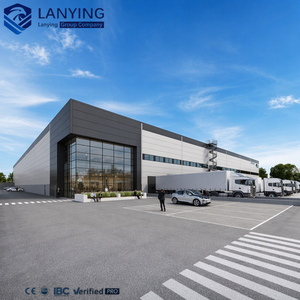
IBC-certified, open-bay logistics structure designed for rapid cross-docking, heavy cargo staging, and fleet yard transshipment control.
Contact UsIn the contemporary global trade paradigm, supply chain managers face unprecedented friction driven by geopolitical realignments, shifting tariff structures (such as Section 301 and evolving Section 321 de minimis regulations), and volatile freight rate dynamics. Selecting a top China transshipment logistics management supplier is no longer merely a tactical freight procurement decision; it is a central strategic imperative for preserving margin integrity, accelerating dock-to-door velocity, and enforcing end-to-end operational resilience.
Transshipment logistics—the strategic routing, re-consolidation, automated sorting, and multi-modal transfer of goods via intermediate hubs—serves as the critical operational bridge connecting primary manufacturing centers across East Asia (such as Shenzhen, Ningbo, Yiwu, Guangzhou, and Qingdao) with final consumption markets in North America, Europe, and the Oceania region. By leveraging advanced Multi-Country Consolidation (MCC), automated Dimensioning-Weighing-Scanning (DWS) sorting architecture, and compliant bonded warehouse staging, enterprise procurement leads can decouple their supply chain dependencies from rigid single-route shipping schedules.
Through specialized bonded transshipment hubs, global importers can legally re-bundle, re-label, and manage customs entries (DDP/DDU/DAP) to optimize duty exposure while maintaining seamless compliance with U.S. Customs and Border Protection (CBP) and international customs protocols.
Moving beyond simple transit, 4GL providers integrate Cloud WMS, automated high-speed conveyor sorting (handling up to 6,000 parcels per hour), real-time EDI/API tracking, and dedicated fleet dispatching to guarantee precision SLA compliance.
Underpinned by nearly three decades of global logistics engineering, G&B International Logistics (Green & Blue Group) sets the industry benchmark for security, speed, and statutory compliance.
A primary vulnerability in cross-border transshipment is regulatory non-compliance leading to customs holds, unexpected demurrage, and cargo seizure. A top-tier transshipment supplier must possess certified authority across maritime and aviation governance bodies:
Operational efficiency in transshipment relies on robust gateway assets and real-time data automation. With strategic hub operations across North American key nodes and primary Chinese port gateways, transshipment throughput is maximized:
Anchored by company-owned bonded warehousing in Chicago (Wood Dale / Elk Grove Village, IL) and direct branch gateways at Los Angeles International Airport (LAX) and New York JFK, cargo transiting from Asian origins reaches inland destinations with minimal dwell time.
Deploying 6,000 Pcs/Hour automated parcel handling sorters integrated with DWS (Dimensioning, Weighing, and Scanning) laser arrays eliminates manual measurement discrepancies, guarantees precise dimensional weight billing, and accelerates cross-dock processing by up to 400%.
As cross-border commerce shifts toward digital-first supply networks, enterprise logistics buyers must align with four macro trends shaping transshipment architecture through 2030.
Traditional manual warehouse cross-docking is being rapidly superseded by automated sorting lines equipped with AI vision optical character recognition (OCR) and dynamic weighing platforms. Future procurement contracts will prioritize suppliers with integrated DWS infrastructure capable of processing high-volume e-commerce parcels without manual bottlenecking, keeping handling errors below 0.001%.
Volatile ocean spot rates and air freight capacity spikes have driven demand for hybrid transshipment models. Leading suppliers offer proprietary models (such as Ningbo/Yiwu ocean vessel transport combined with US West Coast express truckload transshipment), delivering transit speeds approaching air freight at 40-60% reduced overall procurement cost.
In response to complex trade tariffs between China and Western markets, smart transshipment management utilizes FTZ bonded warehousing. Goods can be staged in neutral transshipment facilities, subjected to light processing, re-labeled, or dispatched in smaller duty-exempt consignments under strict customs supervision.
Black-box shipping is obsolete. Modern procurement frameworks demand API/EDI integration connecting origin factory output directly to destination WMS portals. High-gain suppliers now offer automated milestones covering vessel departure, intermediate hub scan, customs release, and last-mile appointment scheduling in one portal.
The cross-border logistics sector has undergone a profound transformation. Understanding this technological trajectory enables enterprise supply chain leaders to benchmark their suppliers against modern 4GL operational standards.
Point-to-point ocean port transport. Heavy reliance on manual bill of lading handling, paper-based customs entries, and fragmented local drayage brokerage without real-time cargo visibility.
Emergence of 4th Generation Logistics (4GL). Integration of FMC NVOCC ocean freight, FAA hazardous material clearance, company-owned bonded distribution centers, and KOTRA overseas hub models.
Deployment of high-capacity automated sorters (6,000 pcs/hr), AI-assisted DWS dimensioning, Cloud-native WMS/TMS integrations, and specialized Section 321 e-commerce transshipment networks.
Address critical operational, customs, and technical queries regarding China transshipment logistics management and vendor selection.
China transshipment logistics management involves the dynamic consolidation, intermediate hub staging, automated sorting, and multi-modal rerouting of manufactured goods from China origins through specialized transshipment centers before final delivery to destination countries. Unlike basic direct freight forwarding—which moves intact containers directly from origin port to destination port—transshipment logistics allows buyers to perform Multi-Country Consolidation (MCC), automated DWS parcel scanning, customs duty deferral, quality inspection, and flexible last-mile carrier injection (e.g., Amazon FBA, truckload, or express parcel courier).
An FMC (Federal Maritime Commission) license (#4159N/F) authorizes a logistics supplier to act as an official Non-Vessel Operating Common Carrier (NVOCC). This means the supplier can issue its own House Bills of Lading (HBL), negotiate direct service contracts with ocean vessel consortiums, lock in space allocations during peak seasons, and assume legal carrier liability. For transshipment operations, this guarantees contract integrity, prevents illegal freight markups, and ensures direct accountability across ocean legs.
Automated DWS systems instantly measure package dimensions via high-precision laser array sensors, capture accurate volumetric and dead weight, and scan barcodes on fast-moving conveyor lines (up to 6,000 parcels/hour). In transshipment operations, DWS eliminates manual data entry errors, prevents dimensional weight billing disputes with last-mile carriers (USPS, FedEx, UPS), and speeds up warehouse cross-dock throughput by over 300%.
Yes. Bonded transshipment hubs allow enterprise buyers to legally store cargo in free trade zones or bonded facilities without paying immediate import tariffs. For qualifying e-commerce shipments, goods can be transshipped and fulfilled individually under Section 321 de minimis exemptions (subject to current U.S. Customs regulatory thresholds), significantly lowering landed duty costs for eligible consumer shipments while remaining fully compliant with CBP ACE filing requirements.
Handling hazardous air cargo—such as lithium-ion batteries, electronics, chemicals, or magnetics—requires an FAA-affiliated logistics partner possessing a formal Dangerous Goods (D/G) Operation Certificate (such as Certificate #A03043). The supplier must employ certified dangerous goods packing specialists, conduct UN-specification packaging compliance checks, and execute accurate IATA Dangerous Goods Declarations to avoid air carrier rejection and transit delays.
Specialized sea-express transshipment models (such as Ningbo/Yiwu via ocean vessel to Los Angeles or Long Beach ports, followed by bonded transshipment cross-docking) typically achieve door-to-door delivery within 11 to 16 calendar days to US West Coast hubs, and 18 to 22 days to US Midwest/East Coast hubs (e.g., Chicago ORD gateway). This represents a 30-40% time savings compared to standard ocean shipping, at a fraction of air freight costs.
G&B operates centralized consolidation hubs near primary Chinese manufacturing clusters (including Zhejiang, Yiwu, Ningbo, and Shenzhen). Vendors deliver less-than-container-load (LCL) shipments to the hub, where automated DWS sorting lines scan, weigh, inspect, and bundle cargo into unified ocean containers (FCL) or air pallets. This eliminates duplicate bill-of-lading fees, minimizes destination port handling charges, and ensures synchronized delivery to destination warehouses.
Top transshipment management suppliers provide direct integration between customer ERP/WMS systems and centralized cargo tracking portals via REST APIs or EDI protocols (such as EDI 214, 315, and 753). Customers receive automated milestone alerts covering container loading at China origin, vessel departure, transshipment hub cross-dock scanning, customs release status, and final door-step delivery confirmation.
Partner with an FMC-licensed, ISA-certified, and FAA-accredited logistics leader with over 29 years of global freight forwarding expertise. Connect directly with our transshipment engineering team to design custom DDP, LCL consolidation, or automated hub sorting solutions.