
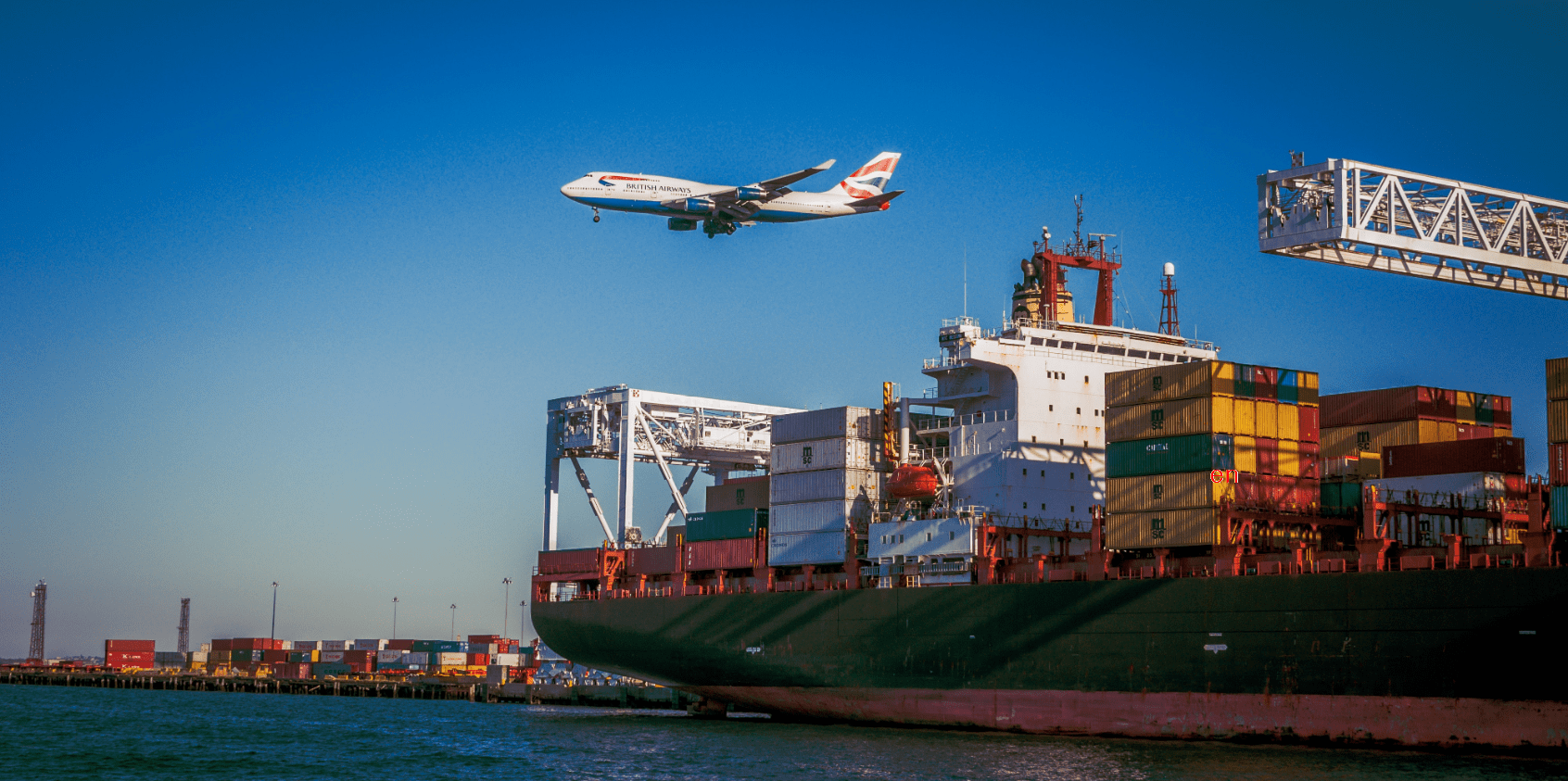
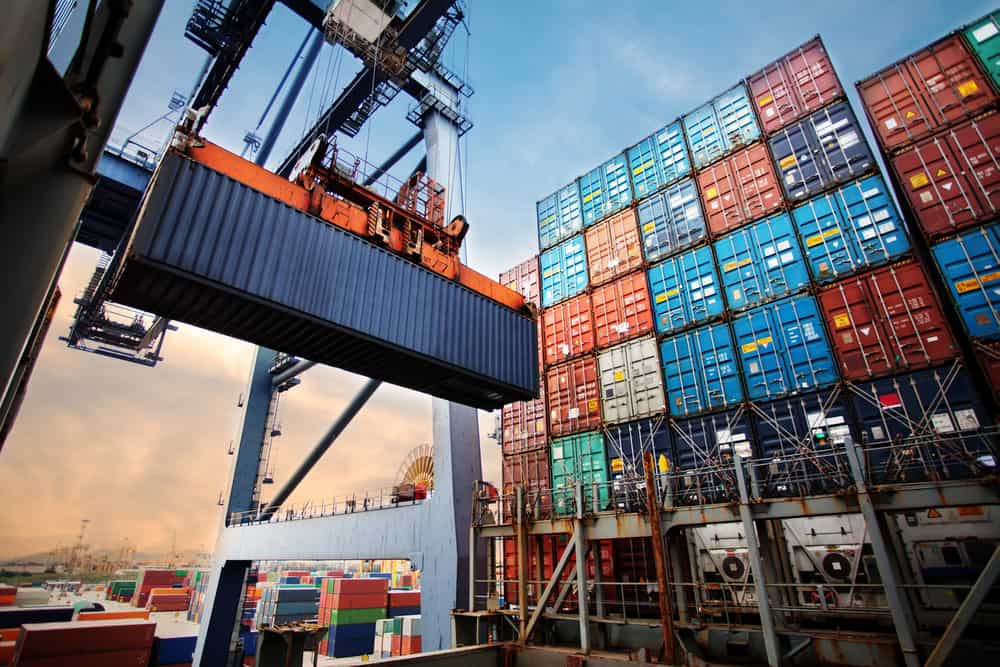
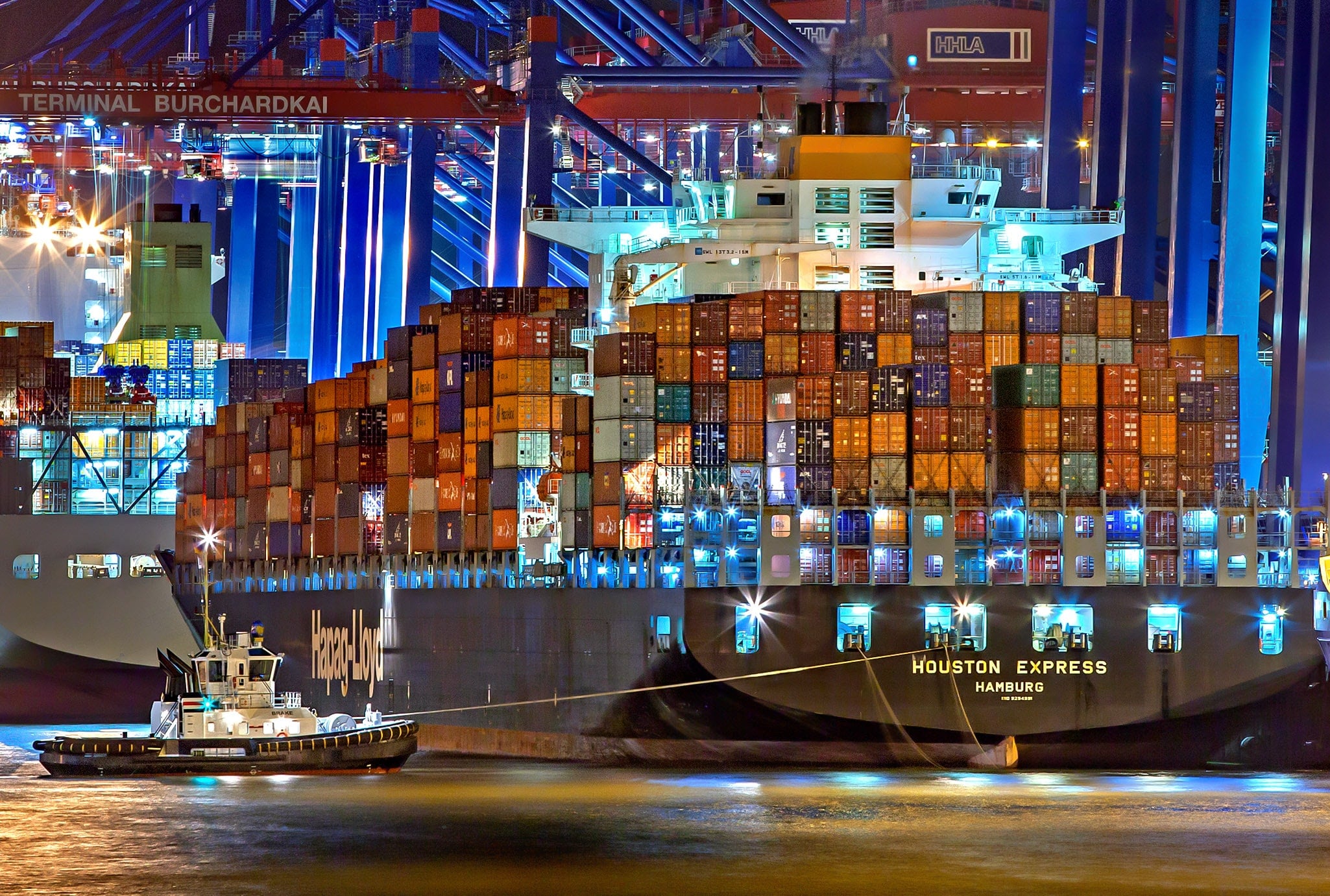
Explore engineered hazardous packaging, biological containment vessels, anti-static safety gear, and licensed international multi-modal logistics handling across Classes 1–9 Dangerous Goods.
Fully compliant Class 2–9 ocean freight LCL Consolidation, customs brokerage, and door-to-door drayage with 24/7 real-time telemetry.
Get Catalog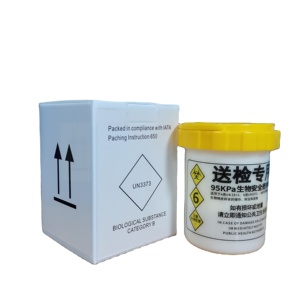
Hydrostatic pressure-tested secondary vessel engineered to withstand 95kPa differential for infectious medical and diagnostic specimens.
Get Catalog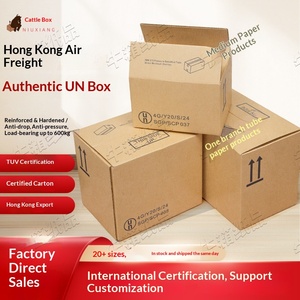
IATA DGR compliant high-burst corrugation packaging for Lithium-Ion (UN3480/UN3481) air transport with thermal runaway resistance.
Get Catalog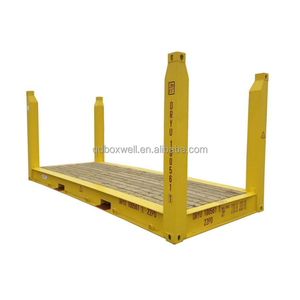
Corrosion-resistant treated interior containment modules with passive venting systems engineered for global intermodal bulk transit.
Get Catalog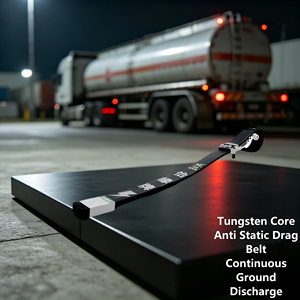
Prevents electrostatic spark ignition during flammable liquid (Class 3) road transport with dual-wire continuous ground dissipation.
Get Catalog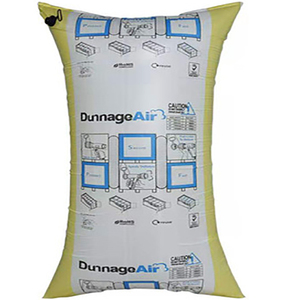
Association of American Railroads (AAR) verified load stabilization air cushions preventing lateral shift in high-tonnage hazardous shipments.
Get Catalog
Dual-pouch fluid-tight specimen transport bags with biohazard symbology and tamper-evident seal for clinical laboratory chains.
Get Catalog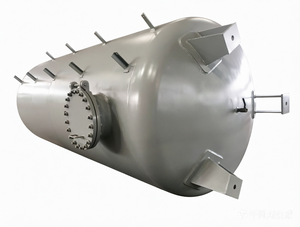
ASME Section VIII Div 1 certified heavy-wall pressure vessels engineered for liquefied gas (Class 2) and volatile chemical transport.
Get CatalogNavigating the complex international ecosystem of Hazardous Materials Transport demands an uncompromised synthesis of material science, legal compliance, and multi-modal logistics execution. Whether exporting Class 3 flammable liquids, Class 6.2 infectious substances, Class 8 corrosive compounds, or Class 9 miscellaneous dangerous goods such as advanced Lithium-Ion energy storage systems, global manufacturing enterprises and supply chain directors face unprecedented regulatory scrutiny from international bodies including the International Maritime Organization (IMO), the International Civil Aviation Organization (ICAO), and national authorities like the U.S. Department of Transportation (DOT) PHMSA.
As a premier global freight forwarder and packaging engineering authority established in 1995, G&B International Logistics (Green & Blue Group) has spent nearly three decades establishing the benchmark for dangerous goods safety. Operating from our central headquarters in Wood Dale, Illinois, alongside dedicated gateway facilities at Chicago O'Hare (ORD), Los Angeles (LAX), and New York (JFK), G&B operates at the intersection of regulatory rigor and supply chain optimization. Holding FMC License #4159N/F, Dangerous Goods Handling Certification #A03043, U.S. Customs ISA Certification #GL0110004, and active membership within the Federal Aviation Administration (FAA) Dangerous Goods Cargo Program, our infrastructure ensures zero-defect compliance for global trade routes connecting Asia, North America, and Europe.
Procuring hazardous transport equipment and freight forwarding services is not merely a commercial transaction; it is an exercise in strict liability management. Standard commercial packaging fails under atmospheric pressure drops or severe sea-vessel vibrations. Sourcing certified UN 4G/4GV fiberboard boxes, 95kPa-rated biological containment pressure vessels, anti-static EPDM grounding systems, and AAR-certified dunnage guarantees cargo integrity and eliminates catastrophic supply chain risk.
To achieve seamless cross-border customs clearance and prevent cargo rejection or severe financial penalties at port terminals, hazardous packaging and transport vehicles must strictly adhere to rigorous mechanical performance metrics. Below is an engineering breakdown of essential hazmat transportation solutions:
Transportation of Category B biological specimens (UN3373) and infectious substances (UN2900) requires secondary packaging capable of enduring internal pressure differentials of no less than 95 kPa (0.95 bar) without leakage, across temperature ranges from -40°C to +55°C.
Lithium battery air freight (UN3480/UN3481) requires specialized UN 4GV five-layer ultra-hard corrugation. These boxes feature vermiculite or non-combustible cushioning materials engineered to isolate thermal runaway events and satisfy IATA Dangerous Goods Regulations (DGR) Section IA/IB.
During tanker transport of flammable liquids (Class 3), static charge buildup creates severe explosion hazards. Utilizing 304 Stainless Steel drag belts embedded with high-conductivity anti-static EPDM rubber provides continuous, low-resistance ground paths to safely dissipate static voltage.
Choosing the appropriate transport packaging and forwarding architecture depends directly on the hazard classification defined by the UN Committee of Experts on the Transport of Dangerous Goods. The matrix below illustrates primary technical requirements, certification standards, and freight modalities:
| DG Class & Hazard Profile | Required Packaging / Hardware Standard | Key Regulatory Test Protocol | Primary Transport Mode | Compliance Rating |
|---|---|---|---|---|
| Class 3: Flammable Liquids (Solvents, Fuels, Paints) | Anti-Static EPDM Belts, UN Metal Drums, Heavy-Wall Pressure Vessels | ASTM D4935 Conductivity, Hydrostatic Pressure Test | Ocean LCL/FCL, Highway Tankers | IMDG / DOT Certified |
| Class 5.1/5.2: Oxidizers & Peroxides | Passivated Anti-Corrosive ISO Containers, Passive Vented Drums | UN Test Series 1-8 Thermal Stability Test | Refrigerated Ocean Freight, Rail | IMO Class 5 Compliant |
| Class 6.2: Infectious Substances (UN3373 / UN2900) | 95kPa Pressure-Differential Biological Containers, PE Leak-Proof Bags | ICAO/IATA 95kPa Hydrostatic & 9-Meter Drop Test | Air Freight Express, Cold-Chain Logistics | ICAO/IATA Certified |
| Class 9: Lithium Batteries (UN3480 / UN3481) | UN 4G/4GV Corrugated Cartons with Thermal Insulation & Fire Suppression | UN 38.3 Lithium Battery Safety Standard, Drop & Stacking Tests | Dedicated Air Cargo, Ocean FCL | FAA / IATA Compliant |
| Intermodal Cargo Securing (All Heavy DG Cargo) | Level 1–6 AAR Certified PP Woven Dunnage Air Bags | Association of American Railroads (AAR) Verification | Rail Intermodal, Sea Container Ships | AAR Verified |
As global supply chains accelerate toward digitization and environmental sustainability, the dangerous goods transport sector is undergoing a profound paradigm shift. Procurement directors, safety engineers, and logistics leaders must anticipate three major macro-trends currently restructuring global hazmat sourcing:
Modern hazardous material containers are rapidly transitioning from static units to smart, connected assets. Integrated IoT sensors now continuously transmit temperature, pressure differentials, shock impacts, humidity, and real-time GPS coordinates directly to cloud-based logistics management systems (WMS/TMS), enabling proactive intervention before containment failure occurs.
ESG (Environmental, Social, and Governance) imperatives are driving demand for eco-friendly UN-certified packaging. Manufacturers are replacing expanded polystyrene (EPS) with biodegradable, fire-retardant plant-based liners and high-density, multi-use polypropylene dunnage bags that maintain structural rating while drastically reducing single-use plastic waste.
With cross-border customs regulations tightening worldwide, automated verification of Shipper's Declaration for Dangerous Goods (SDDG), Safety Data Sheets (SDS/MSDS), and Automated Manifest System (AMS) filings is becoming vital. Pre-clearing high-risk shipments through certified ISA customs brokers guarantees seamless transit without dock delays.
Founded in 1995 in Chicago, Illinois, G&B International Logistics has built an unassailable reputation as a one-stop global logistics partner. Our growth trajectory reflects a steadfast commitment to client security, operational efficiency, and regulatory precision:
In 2006, G&B pioneered the implementation of 4th Generation Logistics (4GL) management systems, serving as dedicated vehicle logistics providers for tier-one retail giants like SAM'S Club and serving as an official contracted logistics partner with KOTRA (Korea Trade-Investment Promotion Agency).
In 2003, G&B acquired and developed its proprietary company-owned warehouse in Elk Grove Village, IL. Featuring dedicated hazardous containment zones, climate-controlled storage, and advanced WMS tracking, our facilities support high-throughput import and export operations.
Holding FMC License #4159N/F, FAA Dangerous Goods Authorization, Dangerous Goods Handling Certificate #A03043, and U.S. Customs ISA Certificate #GL0110004, G&B manages every dimension of dangerous goods ocean shipping, air export, customs clearance, and last-mile trucking.
Below are expert answers to critical questions faced by procurement officers, EHS managers, and supply chain directors when managing hazardous material transport:
Connect with our senior dangerous goods specialists today. Receive comprehensive technical specifications, UN certification compliance documents, and tailored multi-modal freight quotes for your global supply chain.
Get Catalog