
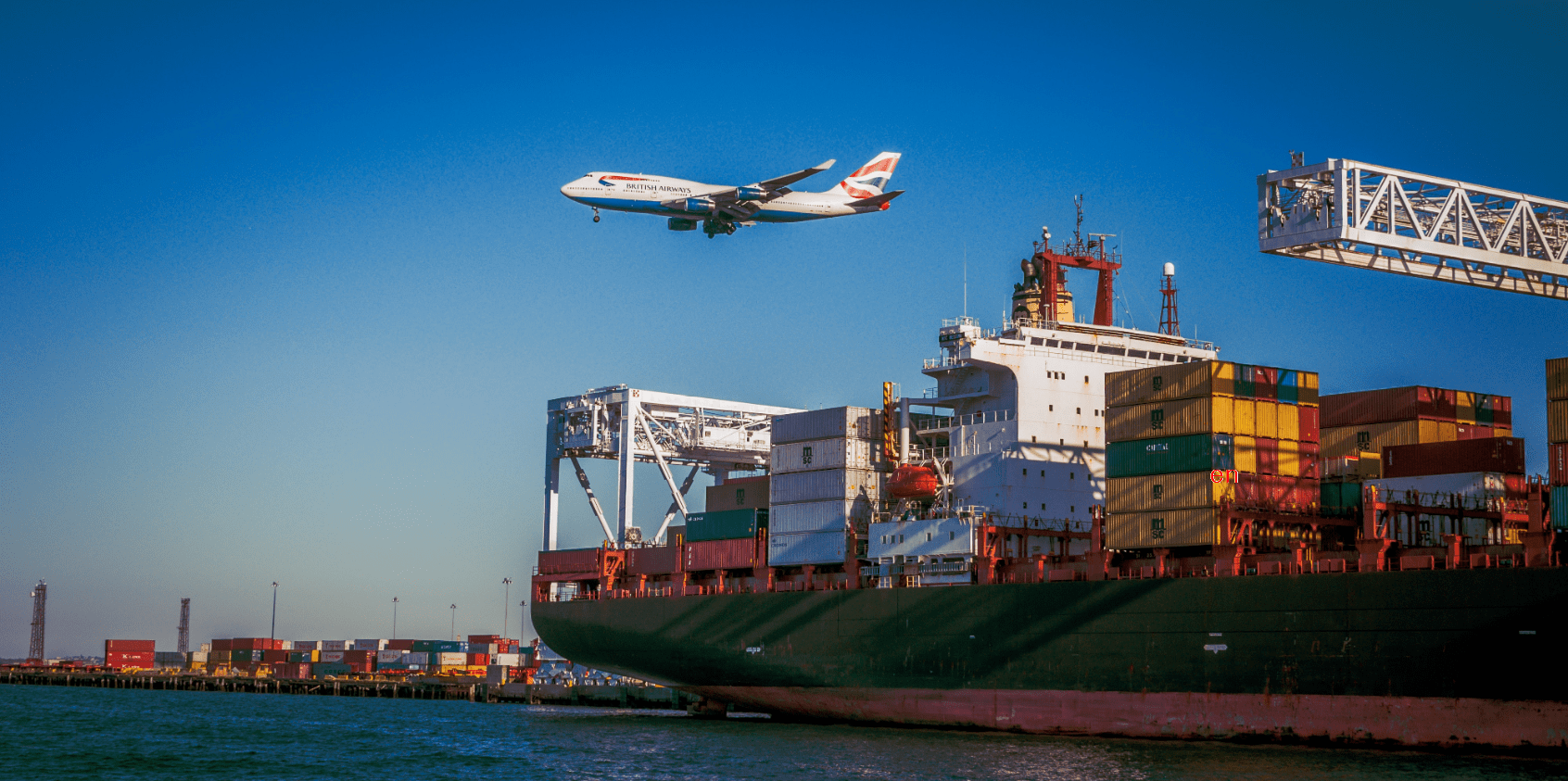
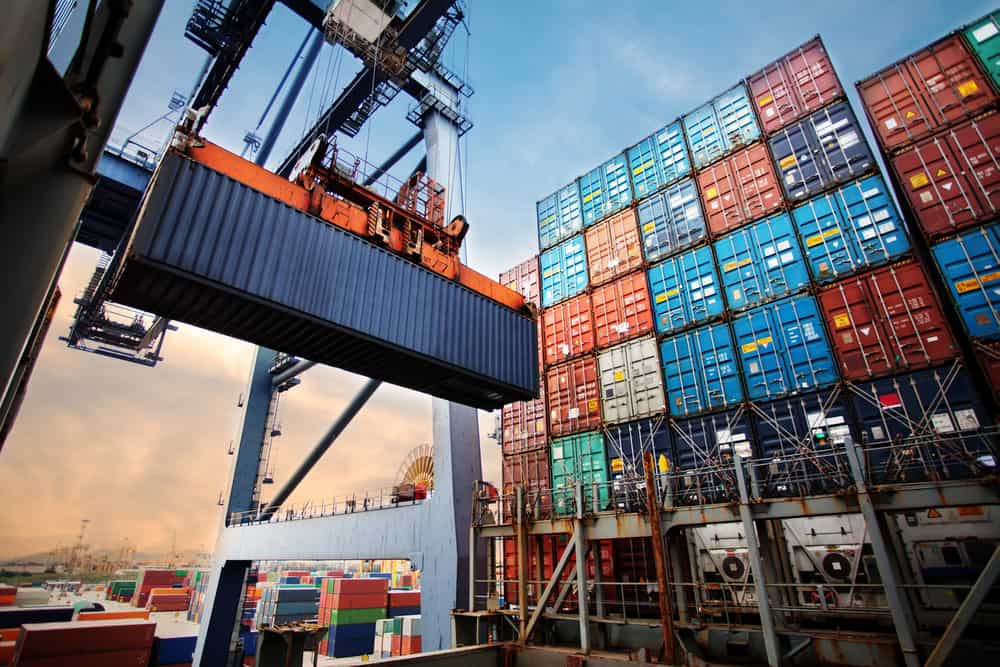

Engineered multi-modal transport solutions, DNV-certified industrial containers, and DDP/DDU forwarding services specifically optimized for Saudi Arabian assembly plants and Tier-1 factory networks.
Consolidated ocean freight services tailored for automotive component manufacturers sending scheduled spare parts and sub-assemblies to Saudi Arabia ports.
High-priority air export and ocean charter routing designed to deliver critical microcontrollers and assembly components directly to OEM lines in KAEC.
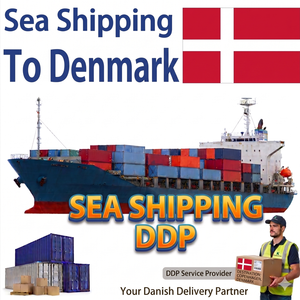
Dedicated 20ft and 40ft High Cube container shipping options for body panels, chassis elements, and high-volume factory inventories with full tracking access.
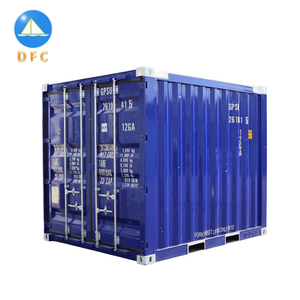
Heavy-duty 10ft/20ft/40ft flat rack units tailored for out-of-gauge stamping dies, industrial presses, and robotic manufacturing cells heading to Saudi Arabia.

Contracted vessel capacity and seamless port handling at Jeddah Islamic Port and King Abdulaziz Port Dammam for high-volume automotive shipments.
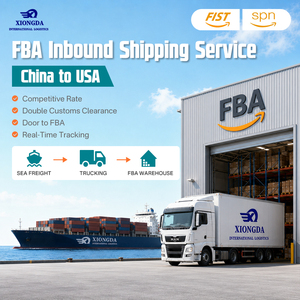
Complete logistics control tower services integrating multi-modal haulage from Red Sea entry points straight into automotive assembly buffer stocks.
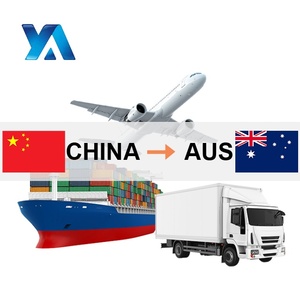
Fast-track customs clearance under AEO standards paired with heavy bonded trucking corridors connecting Saudi Arabia with regional GCC automotive nodes.
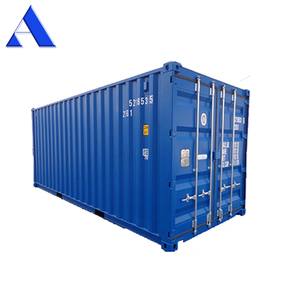
Brand-new intermodal ISO containers supplied for secure, weather-proof component storage and transshipment within Saudi industrial plant facilities.
Under the bold mandates of Saudi Vision 2030 and the National Industrial Development and Logistics Program (NIDLP), the Kingdom of Saudi Arabia is rapidly transforming into a primary automotive manufacturing power in the Middle East.
King Abdullah Economic City (KAEC) serves as the epicenter for electric vehicle assembly, hosting flagship OEM production plants including Lucid Motors and Ceer Motors alongside Hyundai's state-of-the-art assembly facility.
Automotive manufacturing requires zero-tolerance timing. Synchronized Just-In-Time (JIT) and Just-In-Sequence (JIS) logistics frameworks prevent line-stops caused by delayed international components.
Navigating Saudi Zakat, Tax and Customs Authority (ZATCA) regulations, Fasah digital manifest systems, and SASO SABER Product Certificates of Conformity (PCoC) is critical for tariff management.
Historically dominated by imported CBU (Completely Built Up) vehicles, Saudi Arabia is shifting its market dynamics toward localized CKD (Completely Knocked Down) and SKD (Semi Knocked Down) automotive production. By target year 2030, the Kingdom projects the domestic assembly of over 300,000 light motor vehicles annually. This industrial evolution demands sophisticated, multi-tiered automotive logistics networks capable of coordinating global Tier-1, Tier-2, and raw material shipments across ocean corridors, air express nodes, and domestic highway routes.
From coastal ports on the Red Sea and Arabian Gulf to inland free zones, automotive logistics solutions must adapt to distinct regional supply chain environments across the Kingdom.
Direct ocean liner service to King Abdullah Port (KAP) provides immediate proximity to the KAEC Automotive Park. Logistics operations here focus on delivering heavy machinery, body stamping presses, cleanroom EV assembly tooling, and raw aluminum/steel coils directly to factory gates under bonded customs clearance, eliminating port storage bottlenecks.
Saudi Arabia’s ambient temperatures frequently exceed 50°C during summer months. Moving high-voltage Lithium-Ion battery modules (Hazardous Class 9) and delicate power electronics requires temperature-controlled reefer containers, insulated thermal blanketing, and real-time IoT thermal tracking during desert highway transits to prevent thermal runaway risks.
King Abdulaziz Port in Dammam acts as the primary maritime gateway for automotive polymers, rubber components, structural steel, and aftermarket spare parts coming from Asia and North America. Integrated cross-border GCC trucking corridors connect Jubail’s petrochemical complexes directly to auto plastic injection molding facilities.
Specialized transport, containerized packing, and intermodal engineering designed to protect high-value auto components during intercontinental transit.
Transporting CKD kits requires maximum volumetric efficiency paired with corrosion prevention. Automotive logistics suppliers implement customized 40ft High-Cube container rack systems, VCI (Vapor Corrosion Inhibitor) packaging materials, and modular steel stills. This ensures engines, transmission units, painted body shells, and suspension systems arrive at Saudi assembly plants free of oxidation and vibration damage.
Electric vehicle powertrains require strict adherence to UN 3480 and UN 3481 hazardous goods regulations. G&B International utilizes FAA-affiliated and dangerous goods-certified handling processes, coordinating specialized ocean reefer units and air freight charters with active temperature monitoring from origin ports in North America and Asia directly to Saudi production lines.
An operational stoppage at an automated assembly plant can incur costs exceeding tens of thousands of dollars per minute. Our Dedicated Air Charter (DAC) and Next-Flight-Out (NFO) express services connect major global automotive component manufacturing hubs (Detroit, Frankfurt, Seoul, Nagoya, Shanghai) directly to King Khalid International Airport (RUH) in Riyadh and King Abdulaziz International Airport (JED) in Jeddah, backed by 24/7 custom clearance task forces.
Streamlining ZATCA customs clearance, SABER platform integration, and SASO standard compliance for frictionless border crossing into the Kingdom.
All automotive parts imported into Saudi Arabia must undergo mandatory registration on the SABER electronic portal. Each shipment requires a Product Certificate of Conformity (PCoC) issued by an accredited conformity assessment body, followed by a Shipment Certificate of Conformity (SCoC) prior to vessel departure.
From standard SASO 2847 for tire performance to specific safety guidelines for EV energy storage and braking systems, automotive components are subjected to stringent physical inspections. Logistics partners must audit supplier documentation before cargo is loaded at the point of origin.
While the standard GCC tariff applies a 5% customs duty on most imported automotive parts, Saudi manufacturing plants operating under Ministry of Industry and Mineral Resources incentives can access tax exemptions for industrial raw materials, capital equipment, and CKD assembly components.
Backed by over 29 years of international freight forwarding operational excellence, G&B International Logistics (Green & Blue Group) provides the scale, certifications, and technical infrastructure required by modern automotive OEMs.
Founded in 1995, G&B International has consistently spearheaded advancements in supply chain management. Since launching our proprietary 4th Generation Logistics (4GL) control towers, we have managed intricate multi-modal vehicle logistics and inventory distribution programs for premier global retail and industrial clients, including long-standing arrangements for SAM'S Club retail chains.
As an official logistics service partner with KOTRA (Korea Trade-Investment Promotion Agency) operating Joint Overseas Distribution Centers, G&B bridges Asian and North American supply networks directly with Saudi Arabia’s expanding industrial clusters.
G&B International, Inc. founded in Chicago, pioneering multi-modal sea/air transport services.
Acquired FMC Ocean Forwarder/NVOCC license and expanded gateway branches at LAX and JFK airports.
Earned Dangerous Goods (D/G) Air Certification (#A03043) and U.S. Customs ISA Certification (#GL0110004).
Deployed 4GL Vehicle Logistics system; established KOTRA Joint Overseas Distribution operations.
Addressing critical operational, regulatory, and customs questions commonly encountered by factory procurement managers and tier-level automotive suppliers importing into Saudi Arabia.
SABER certification requires pre-shipment verification. Obtaining the Product Certificate of Conformity (PCoC) takes approximately 3 to 5 business days, while the Shipment Certificate of Conformity (SCoC) is issued within 24 hours of invoice and bill of lading uploading. Completing this prior to vessel departure prevents customs holds at Jeddah Islamic Port or King Abdulaziz Port in Dammam.
For heavy out-of-gauge stamping dies and press tooling, we recommend DNV-certified 20ft or 40ft Flat Rack containers equipped with heavy-duty lashing points, paired with moisture-barrier packaging. Overweight cargo clearances are pre-arranged with Saudi port authorities for direct flatbed trailer transfer to factory floor foundations.
Lithium-ion batteries are classified as Dangerous Goods Class 9. They are transported in active climate-controlled reefer containers maintained between 15°C to 25°C. During inland truck transit across Saudi desert highways, thermal insulation blankets and real-time IoT temperature-monitoring telemetry are deployed to safeguard battery chemistry.
The baseline GCC customs tariff for automotive components is 5%. However, qualifying automotive manufacturing factories in Saudi Arabia can apply for industrial duty exemptions through the Ministry of Industry and Mineral Resources, effectively reducing customs duties on CKD kits and production raw materials to 0%.
G&B International operates a 24/7 Automotive Line-Stop Task Force. When unexpected supply chain interruptions occur, we activate Next-Flight-Out (NFO) air charters directly into King Khalid International Airport (Riyadh) or King Abdulaziz International Airport (Jeddah), combined with expedited hot-recovery customs clearance through the Fasah digital portal.
King Abdullah Port (KAP) in KAEC offers dedicated automotive terminal facilities and direct connection to industrial manufacturing zones, averaging under 24 to 48 hours for customs release. Jeddah Islamic Port handles the largest volume of West Coast ocean traffic, while King Abdulaziz Port in Dammam serves East Coast industrial centers.
Yes, through our 4GL logistics framework and joint distribution networks, we provide vendor-managed inventory (VMI) and bonded warehousing options near key automotive hubs, allowing factory managers to release stock sequentially according to daily assembly schedules.
Standard documentation includes the Commercial Invoice (stating HS codes), Detailed Packing List, Original Bill of Lading, Certificate of Origin, SABER Shipment Certificate of Conformity (SCoC), and the Importer’s Commercial Registration (CR) with automotive trade activity permissions.