
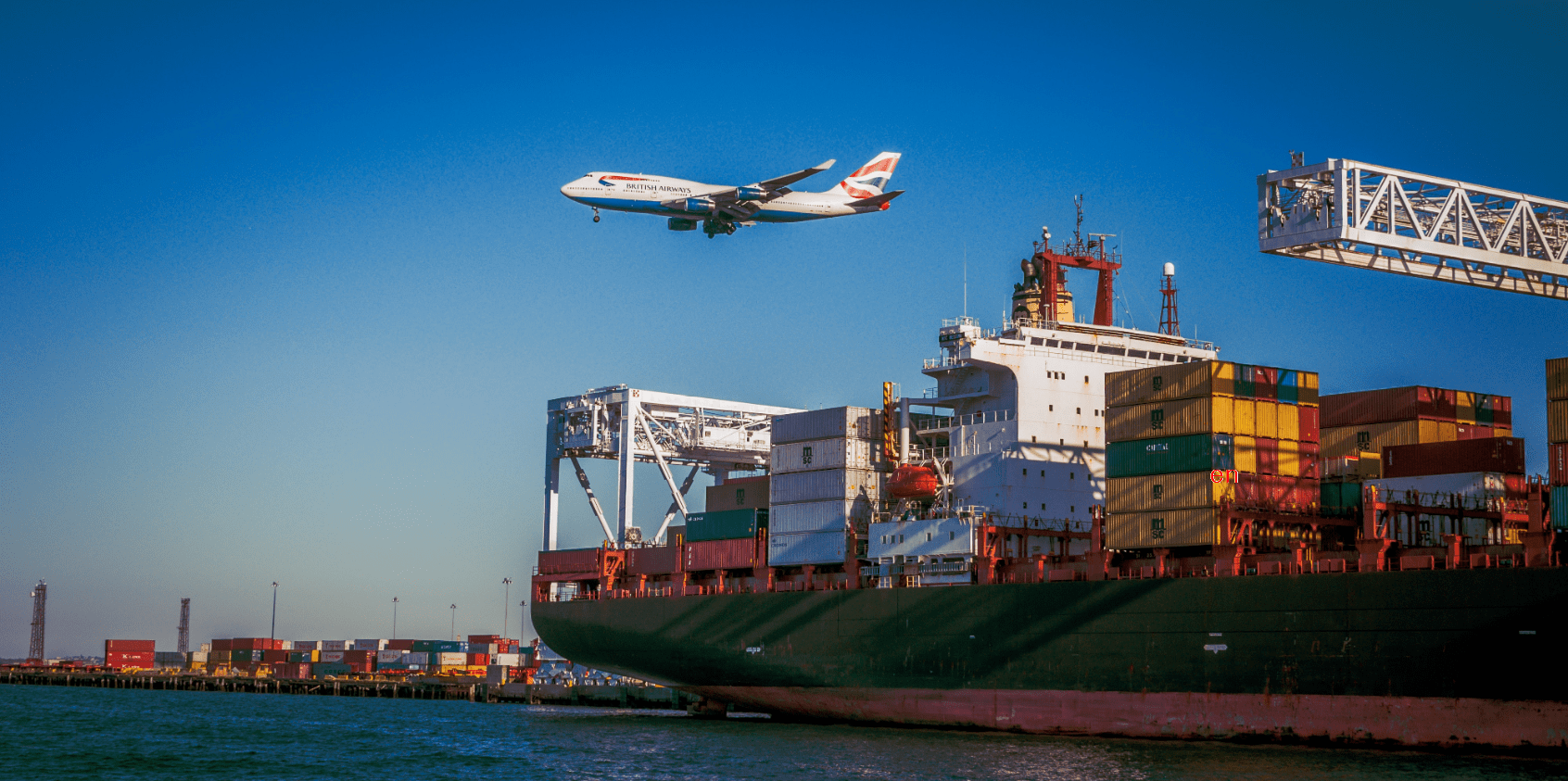
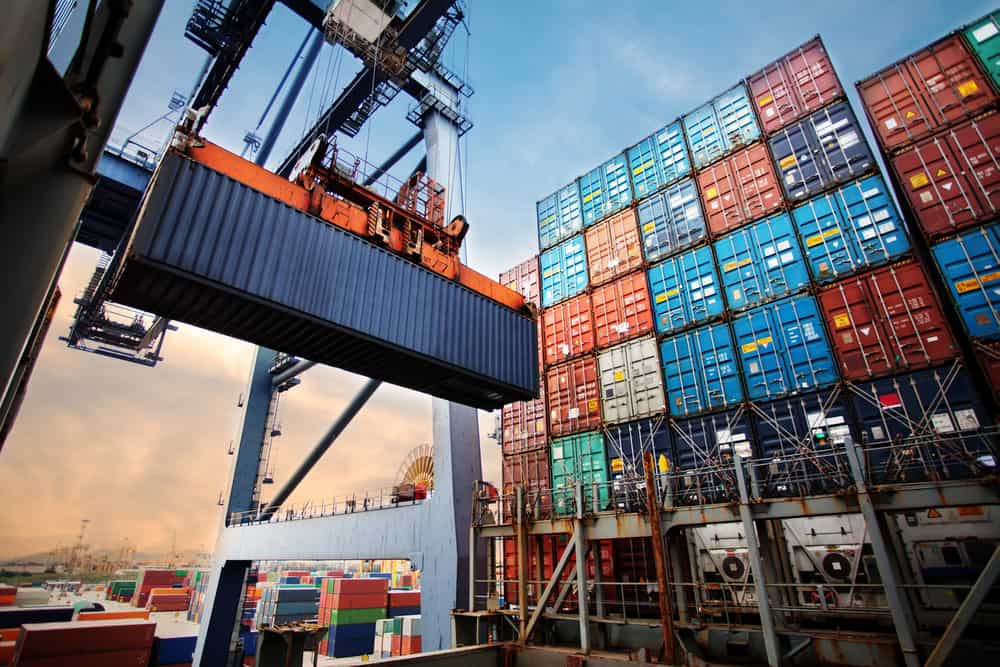
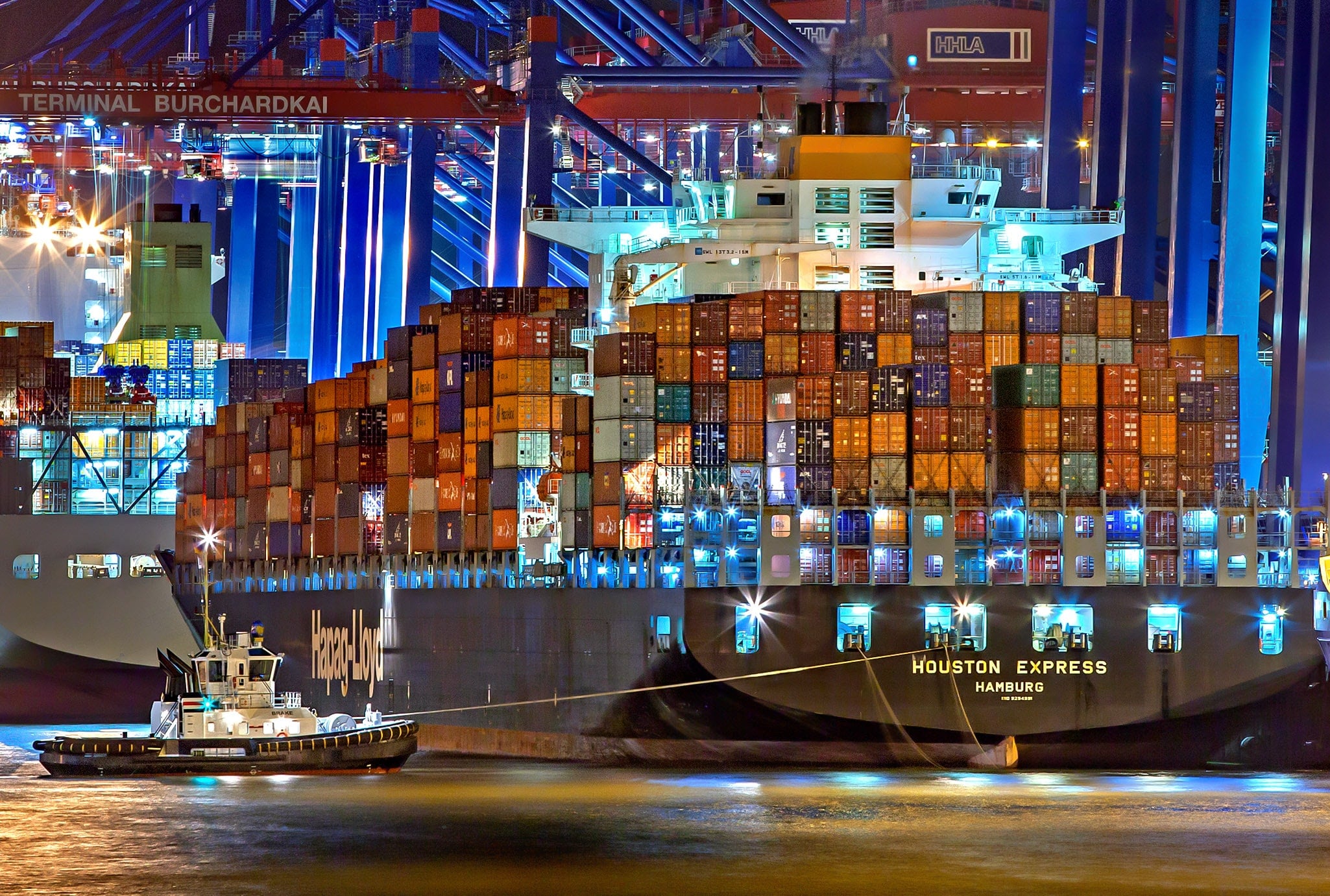
Engineered cargo transport solutions, certified flat-racks, and end-to-end multimodal shipping assets audited to stringent European CE, DNV, and ISO safety frameworks.
 DDP / DDU Expert
Comprehensive consolidation and rolling stock transport with full customs clearance integration for heavy machinery exports entering German ports.
 Top Tier Freight
High-speed global door-to-door forwarding featuring customized loading plans for high-value industrial assets and critical spare parts.
 EU Compliance
Direct service routes targeting Hamburg, Bremerhaven, and Scandinavian ports with streamlined EU ATLAS customs transit documents.
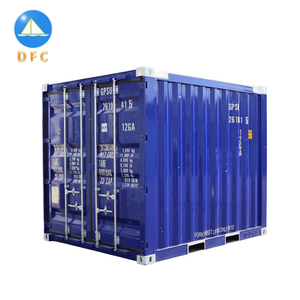 DNV 2.7-1 & CE
Heavy-duty structural steel platforms tailored for out-of-gauge (OOG) machinery, motorized breakbulk, and platform-loaded Ro-Ro units.
 FCL & Ro-Ro Lead
Vessel chartering, ramp-loading logistics, and dedicated line management for vehicle manufacturers and plant equipment exporters.
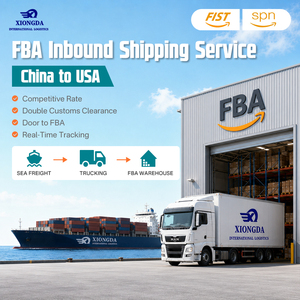 Global Door-to-Door
Warehousing, fulfillment, and specialized deck-securing protocols ensuring dynamic delivery tracking for global trade routes.
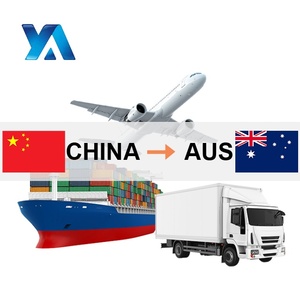 AEO Certified
Authorized Economic Operator logistics linking ocean Ro-Ro terminals directly to DB Cargo rail networks across Central Europe.
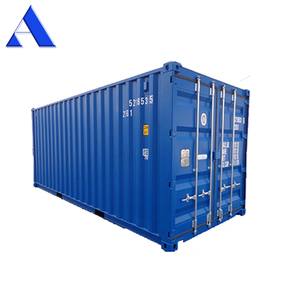 ISO Certified
Factory-new marine containers designed for harsh transport cycles, offering structural integrity for heavy industrial machinery parts.
An authoritative whitepaper report on regulatory standards, port infrastructure mechanics, and information-gain risk mitigation for industrial exporters.
Exporting roll-on/roll-off cargo into the German market requires strict adherence to European Union safety regulations. The CE Marking (Conformité Européenne) serves as a mandatory passport, confirming that mobile machinery, agricultural equipment, and heavy-duty vehicles comply with essential health, safety, and environmental protection requirements outlined in the EU Machinery Directive 2006/42/EC and the EU Low Voltage Directive 2014/35/EU.
Failure to provide verified Declaration of Conformity (DoC) documentation at German entry ports like Bremerhaven or Hamburg can result in immediate customs holds under the Produktsicherheitsgesetz (ProdSG). Our export supply chains integrate rigorous pre-shipment technical audits, ensuring that all motorized and towed units maintain verified CE plates, emergency braking compliance, and localized German operating manuals (Betriebsanleitung) prior to vessel boarding.
Germany's maritime gateways possess some of the most technologically advanced Ro-Ro handling facilities globally. The BLG AutoTerminal Bremerhaven handles over 1.7 million vehicles and hundreds of thousands of tons of High & Heavy (H&H) cargo annually. Simultaneously, the Port of Hamburg (O'Swaldkai Terminal) specializes in un-crated industrial breakbulk and heavy rolling stock.
Understanding deck load capacities (measured in $kN/m^2$), ramp angle clearance, and ramp weight thresholds (up to 420 Metric Tons on modern modern PCTC vessels) is critical. Utilizing MAFI roll trailers for non-motorized, heavy static machinery ensures safe wheeling onto weather-protected vessel decks, eliminating the severe risk profiles associated with traditional crane lifting (Lo-Lo operations).
Tailored supply chain strategies engineered for specific German regional industrial eco-systems.
Deployment of specialized multi-deck Pure Car and Truck Carriers (PCTC) delivering commercial chassis, electric buses, and heavy utility vehicles directly into Southern German manufacturing networks. Fully compliant with German StVZO (§ 70) road permit regulations for oversized transport onward movement via low-boy trailers.
Moving heavy mobile cranes, transformer platform components, and specialized offshore transport crawlers. Equipment undergoes rigorous marine lashing calculations per VDI 2700 and DIN EN 12195-2 standards, preventing dynamic displacement during high-sea transit in the North Sea region.
Intermodal Ro-Ro integration connecting sea terminals to river barges navigating the Rhine River to Duisburg Port (Duisport). Enables seamless delivery of excavators, trenchers, and tunneling equipment directly into North Rhine-Westphalia’s heavy construction projects.
Detailed comparative physics and regulatory requirements for rollable and towable cargo exported into Germany.
| Cargo Category | Primary Transport Asset | German / EU Standard | Securing & Lashing Criteria | Required Documentation |
|---|---|---|---|---|
| Motorized Machinery (Excavators, Cranes) | Direct Drive On/Off PCTC Deck | EU Machinery Directive 2006/42/EC | Minimum 4-point chain lashing (MSL 100 kN) | CE DoC, TÜV Type Approval, VIN / Engine Spec |
| Breakbulk & Heavy Static | MAFI Heavy Roll Trailer (40ft-80ft) | DIN EN 12195-1 / IMO CSS Code | Webbing strap & steel chain combination | VGM (Verified Gross Mass), Loading Diagram |
| Commercial Fleet Vehicles | Multi-Deck Pure Car Carrier | StVZO / EUMOS 40509 | Wheel chocks + 3-point wheel lashings | Certificate of Conformity (CoC), EUR.1 |
| Offshore / Project Skids | DNV 2.7-1 Flat Rack / Bolster | ISO 1496-5 / DNV GL Guidelines | Cross-lashing with turnbuckles & friction mats | DNV Certificate, Structural Test Report |
Understanding the structural shifts in German maritime import-export compliance, green corridors, and digital integration.
German ports are leading Europe’s green maritime transformation. By regulation, Ro-Ro carriers berthing at Bremerhaven and Hamburg are increasingly required to plug into zero-emission shore power grids (Landstrom) or utilize Dual-Fuel LNG/Methanol propulsion systems. Exporters aligning with carriers possessing green fleet certifications benefit from expedited port fee structures and enhanced ESG ratings under Germany's Lieferkettensorgfaltspflichtengesetz (LkSG) (Supply Chain Due Diligence Act).
The digital clearance ecosystem in Germany requires seamless electronic data interchange with the official ATLAS Customs System (Automatisiertes Tarif- und Lokales Zoll-Abwicklungs-System). Real-time pre-arrival processing of T1 transit documents, MRN (Movement Reference Numbers), and EORI validation ensures that Ro-Ro rolling stock moves from the ship’s ramp to the highway within hours of discharge, eliminating costly demurrage at terminal yards.
Leveraging nearly three decades of worldwide shipping authority, customs accreditation, and 4GL infrastructure.
Founded in 1995, G & B International, Inc. (Green & Blue Group) holds official FMC Licensing (Federal Maritime Commission #4159N/F) as an NVOCC, an active FAA Membership, and official ISA Customs Compliance Certification (#GL0110004).
Pioneers in 4th Generation Logistics (4GL) management since 2006. Officially contracted logistics manager for KOTRA (Korea Trade-Investment Promotion Agency) and specialized vehicle logistics provider for multi-national retail entities.
Holding Dangerous Goods (D/G) Operation Certificate (#A03043), enabling seamless handling of lithium-battery powered electric vehicles (EVs), motorized plant machinery, and bonded warehouse distribution.
Expert technical insights addressing localized German procurement, regulatory checks, and maritime operational queries.
A: German Zoll (Customs) requires the original Bill of Lading (B/L), Commercial Invoice with precise HS codes, Packing List containing VIN or serial numbers, the official CE Declaration of Conformity (DoC) signed by the manufacturer, and the T1 transit document for movement inside the EU. Motorized units must also provide engine stage emissions compliance paperwork per EU Non-Road Mobile Machinery (NRMM) Regulation 2016/1628.
A: Ro-Ro (Roll-on/Roll-off) involves wheeling self-propelled or towable equipment directly onto the enclosed, weather-tight decks of a PCTC vessel, eliminating crane lifting. Flat Racks are open-sided container frames loaded onto container ships via cranes (Lo-Lo). Ro-Ro is generally safer and more cost-effective for oversized, rolling machinery, while Flat Racks are preferred when shipping to ports with limited specialized Ro-Ro terminal infrastructure.
A: Static breakbulk cargo (such as heavy generators, turbines, or unmounted machinery) is positioned onto heavy-duty MAFI Roll Trailers or bolsters. These steel-wheeled platforms (capable of supporting up to 120+ Metric Tons) are then towed onto the vessel using specialized terminal tugmasters and lashed securely to the deck.
A: Yes. However, Electric Vehicles are classified as Hazardous Goods under IMDG Class 9 (UN 3171 / UN 3481). Shipping lines mandate State-of-Charge (SoC) limits (typically between 20% to 50%), certified Battery Management System (BMS) integrity checks, and pre-boarding thermal scanning. G&B’s D/G certified team ensures full compliance with international maritime hazard protocols.
A: Under the International Maritime Organization (IMO) SOLAS convention, every exported unit must declare a Verified Gross Mass (VGM). For Ro-Ro cargo, VGM must account for the exact scale weight of the vehicle/machinery plus any securing gear or MAFI trailer weight. Accredited weighbridge certificates are required prior to terminal gate-in at export ports.
A: Once discharged at Bremerhaven or Hamburg, vehicles intending to drive on German public roads must comply with the Straßenverkehrs-Zulassungs-Ordnung (StVZO). Oversized units exceeding 40 Metric Tons gross weight or standard dimensions require special transport permits (§ 70 StVZO and § 29 StVO) along with certified BF-3 escort vehicles for highway transit.
A: Absolutely. Through our global network and AEO-partnered clearing agents in Hamburg and Bremerhaven, G&B manages full DDP (Delivered Duty Paid) execution. We handle import VAT (Einfuhrumsatzsteuer), EU customs tariffs, and local ATLAS electronic system filing to allow seamless door-to-door transit to your German job site or distribution hub.
A: All Ro-Ro cargo is stowed underdeck inside fully enclosed lower vessel decks, shielded from salt spray, rain, and extreme weather. For extra protection during long ocean voyages, high-value machinery undergoes localized application of VCI (Vapor Corrosion Inhibitor) films and protective chassis undercoating prior to vessel loading.
Connect with G&B International Logistics’ senior engineering and customs compliance team to build a tailored, CE-compliant transport strategy for your heavy equipment exports.