
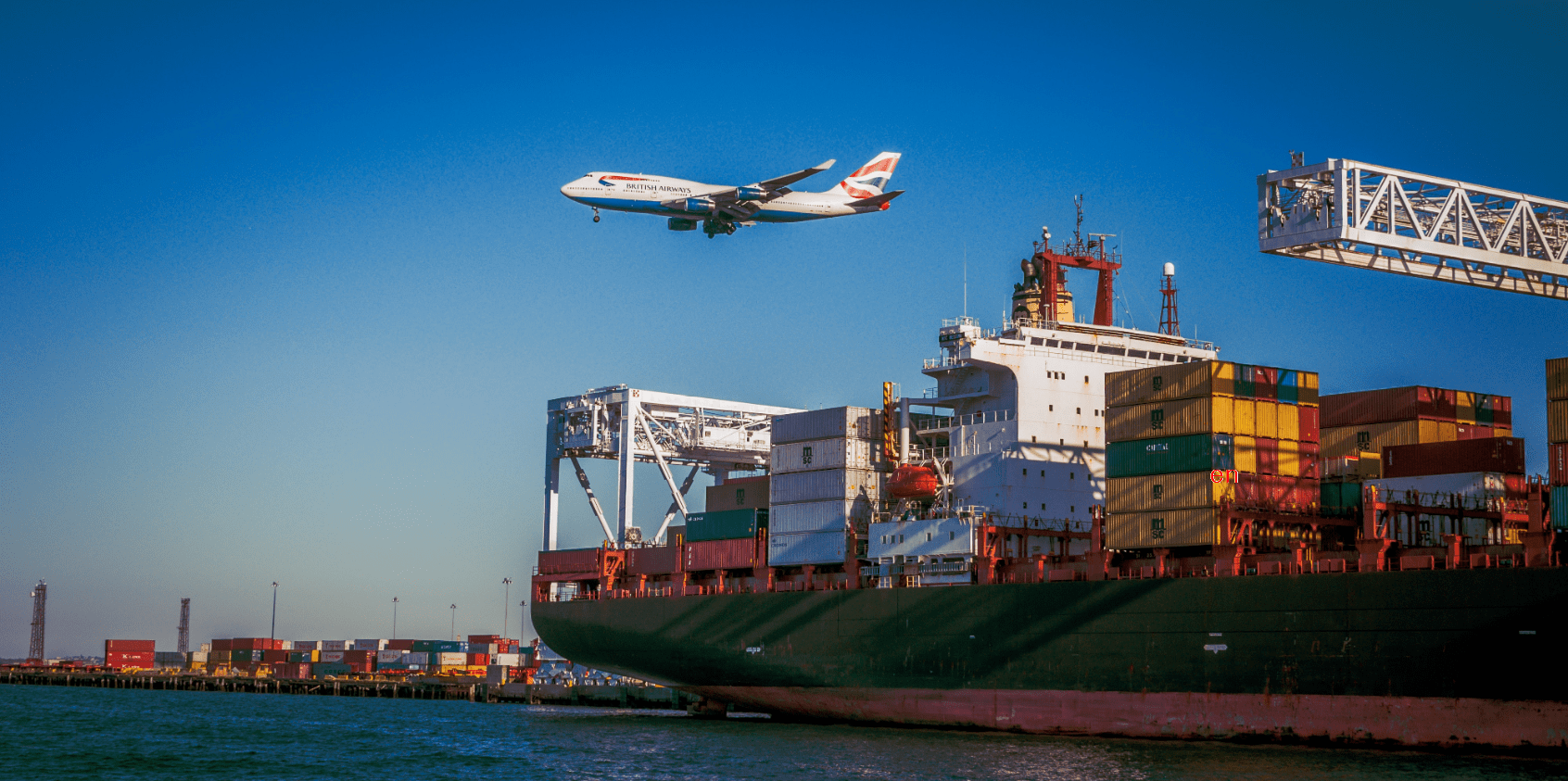
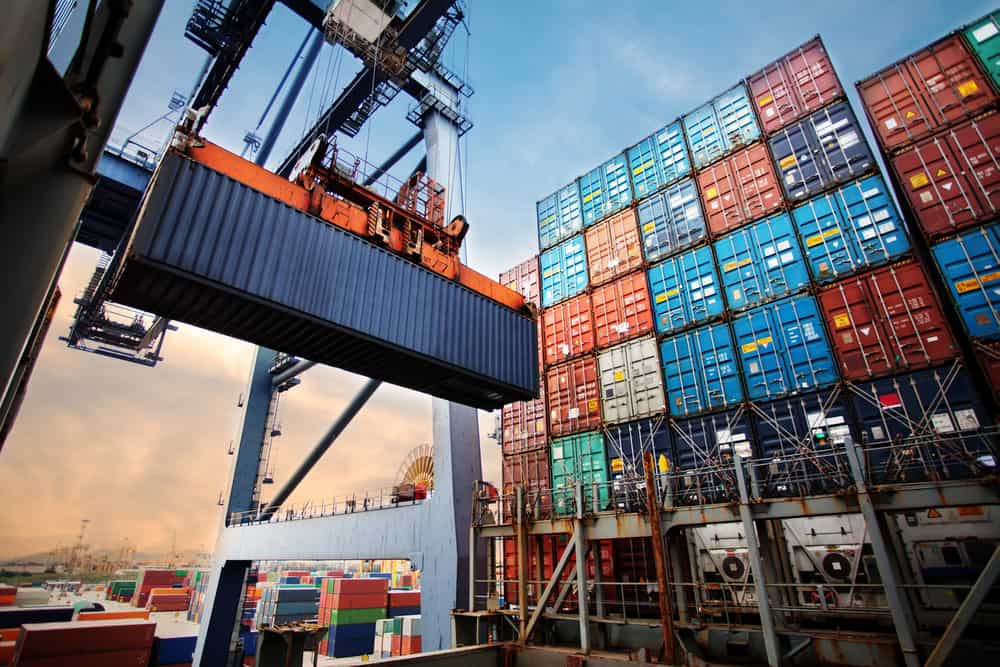
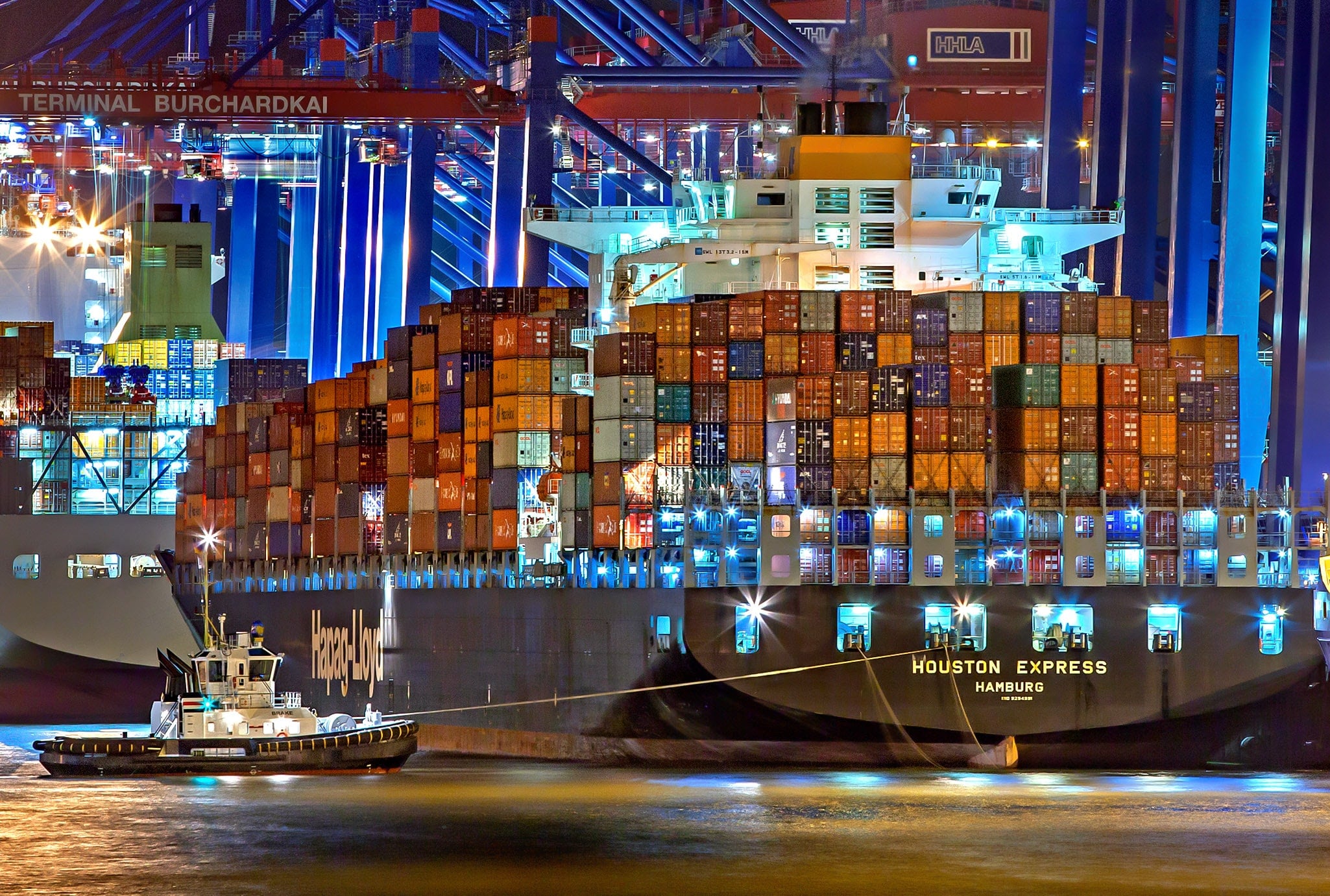
Engineered shipping solutions connecting major China manufacturing hubs to Auckland, Tauranga, Lyttelton, and CentrePort
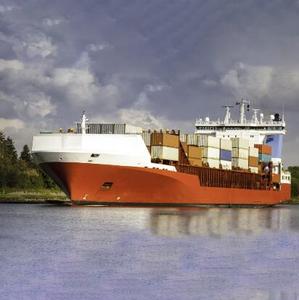
As New Zealand advances its national infrastructure upgrades, renewable energy transitions, and agricultural modernization projects, the demand for non-containerized heavy freight transportation from Chinese manufacturing epicenters has surged. Breakbulk cargo—encompassing heavy machinery, structural steel, oversized industrial boilers, wind turbine components, and bulk agricultural inputs—requires specialized engineering, vessel chartering, precise stowage planning, and stringent compliance management.
Unlike standard ISO containerized sea freight, transporting breakbulk items between Chinese ports (such as Shanghai, Ningbo-Zhoushan, Qingdao, Tianjin, and Guangzhou) and New Zealand ports (including Port of Auckland, Port of Tauranga, CentrePort Wellington, and Lyttelton Port) requires an integrated supply chain strategy. This involves navigating complex stowage codes, securing heavy-lift cranes, adhering to the IMO Code of Safe Practice for Cargo Stowage and Securing (CSS Code), and ensuring strict compliance with New Zealand’s Ministry for Primary Industries (MPI) biosecurity standards.
This industry whitepaper serves as an authoritative technical benchmark for procurement managers, civil engineering contractors, project logistics heads, and machinery importers in New Zealand seeking optimal breakbulk freight solutions from top-tier Chinese ocean transport manufacturers and logistics providers.
Every breakbulk shipment destined for New Zealand operates within unique operational, geographic, and regulatory environments. Understanding these specific application scenarios allows engineering teams and buyers to choose the right cargo lashing, vessel type, and port discharge equipment.
Importing hydraulic excavators, pile drivers, road headers, and crawler cranes from Chinese OEMs (such as XCMG, SANY, and Zoomlion) for transport developments across Auckland, Waikato, and Canterbury. Shipments utilize specialized RORO (Roll-On/Roll-Off) or flat-rack breakbulk vessels, protected with heavy-duty anti-corrosion marine wraps.
Heavy transformers, wind turbine blades, generator stators, and geothermal power components shipped to Tauranga and CentrePort. Cargo frequently exceeds 80 to 200 metric tons, requiring multi-crane tandem lifts, heavy-deck breakbulk vessels, and specialized SPMT (Self-Propelled Modular Transporters) for port discharge.
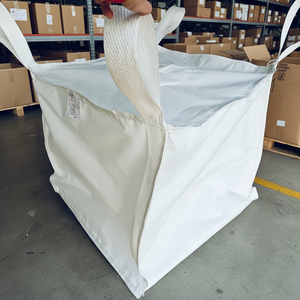
Transportation of fertilizer compounds, industrial minerals, and wood processing equipment. Utilizing specialized flexible intermediate bulk containers (FIBC / Jumbo Bags) handled via breakbulk terminal gangways, alongside heavy timber loader attachments and timber mill skids destined for the Bay of Plenty and Southland regions.
Structural steel beams, bridge girders, and pre-assembled building pods manufactured in Shandong and Jiangsu factories. Transported as bundled breakbulk deck cargo, anchored using heavy-turnbuckles, chain lashings, and custom steel cradles to resist high sea-state torque in the South Pacific.
Dredging equipment, winches, slurry pumps, and quarry screening plants destined for West Coast mining operations and port maintenance in Lyttelton and Otago. Requires specialized sea-fastening calculations and DNV-GL certified dunnage layouts.
Shipping breakbulk cargo to New Zealand requires navigating some of the strictest biosecurity and environmental regulations globally. Failure to comply with NZ Ministry for Primary Industries (MPI) regulations can lead to vessel turn-backs, quarantine delays, or costly mandatory offshore re-cleaning.
New Zealand enforces strict seasonal regulations for the Brown Marmorated Stink Bug (BMSB) between September 1 and April 30. Breakbulk cargo manufactured or loaded in target risk countries (including China) must undergo certified offshore decontamination before arriving in New Zealand waters:
Ocean transits across the South China Sea, Equator, and Tasman Sea expose breakbulk cargo to dynamic ship motions including rolling, pitching, and heaving. Professional freight forwarding requires strict adherence to global maritime engineering standards:
Calculating CoG and structural load-bearing limits to design custom steel cradles and timber dunnage layouts for heavy machinery.
Deploying ISPM-15 heat-treated hardwood dunnage to distribute point loads across vessel tanktops, preventing structural deck deformation.
Applying high-tensile steel chains, wire ropes, and heavy turnbuckles calculated in accordance with the IMO Code of Safe Practice (CSS Code Annex 13).
Engaging independent marine surveyors (such as SGS or Lloyd's Register) to issue Certificate of Lashing and Cleanliness prior to vessel departure.
Coordinating port side cranes, gangway crews, and heavy transport operators at NZ discharge ports for safe offloading.
Selecting the optimal logistics mode is critical to balancing freight costs, transit times, biosecurity compliance, and inland delivery logistics. Below is an engineering comparison of shipping modes from China to New Zealand.
| Evaluation Parameter | Breakbulk Charter / Multi-Purpose Vessel | Flat-Rack / Open Top Container | Roll-On / Roll-Off (RORO) | LCL / Consolidated Heavy Cargo |
|---|---|---|---|---|
| Best Suited Cargo Type | Oversized heavy machinery, steel pipes, generators (>50T, out-of-gauge) | Medium-sized excavators, skids, boxed equipment fitting FR frame | Wheeled machinery, trucks, tracked equipment, self-propelled units | FIBC Jumbo bags, smaller industrial components, packaged spares |
| Weight & Dimension Limits | Virtually unlimited (subject to vessel crane capacity up to 500T+) | Restricted by container frame payload (approx. 30–45 Metric Tons) | Restricted by vessel ramp height & weight limit (up to 120–300T) | Payload restricted by standard ISO box limits (max 22T per consignment) |
| MPI Biosecurity Cleaning Access | High: Fully exposed cargo allows easy inspection, washing, and heat treatment | Moderate: Cargo secured on flat-rack; requires thorough frame cleaning | High: Enclosed decks protect cargo from bio-contamination during transit | Moderate: Sealed containers require un-stuffing and risk joint quarantine hold |
| Ocean Freight Cost Structure | Calculated per W/M (Revenue Ton) or chartered spot rate; cost-effective for high volume | High out-of-gauge (OOG) container surcharges apply on container lines | Calculated per cubic meter (CBM) or lane meter; premium pricing | Calculated per CBM/Ton; cost-effective for smaller industrial parcels |
| NZ Port Handling & Discharge | Discharged via vessel gear or shore heavy cranes directly to multi-axle trailers | Discharged using port container gantry cranes; standard container stack | Driven or towed directly off vessel ramp to dedicated laydown yard | De-consolidated at local CFS (Container Freight Station) warehouse |
The China-to-New Zealand breakbulk and heavy lift market is undergoing significant transformation driven by sustainability requirements, digital supply chain tracking, and national infrastructure investments.
International Maritime Organization (IMO) CII and EEXI regulations are pushing breakbulk carriers to deploy dual-fuel (LNG/Methanol) multi-purpose vessels. Importers into NZ are prioritizing carriers with lower carbon footprints to meet corporate scope 3 emission goals.
Modern project cargo management now integrates 4th Generation Logistics (4GL) IoT sensors. Importers track location, sea-state shock, tilt, temperature, and humidity during transit across the Pacific, ensuring pristine condition upon delivery.
To overcome domestic labor shortages in New Zealand, construction and utility projects are importing larger pre-assembled modular structures from Chinese engineering yards. This increases the demand for custom breakbulk shipping versus standard modular container shipping.
Founded in 1995, G & B International, Inc. (Green & Blue Group) has established itself as a global leader in complex freight forwarding, heavy breakbulk transportation, and end-to-end supply chain engineering. Headquartered in Wood Dale, Illinois, with deep operational roots across major Asia-Pacific shipping hubs, G&B brings unmatched expertise to Chinese manufacturers and New Zealand importers alike.
Our organization is built on core pillars of safety, economy, operational convenience, flexibility, and absolute dedication to client supply chain performance.
Answers to crucial technical, regulatory, and financial questions asked by buyers and logistics managers procuring breakbulk cargo from China.
Partner with a trusted, FMC-licensed global logistics forwarder. Our engineering teams will design a customized stowage, biosecurity compliance, and shipping plan for your cargo from China to New Zealand.
Get a Quote