
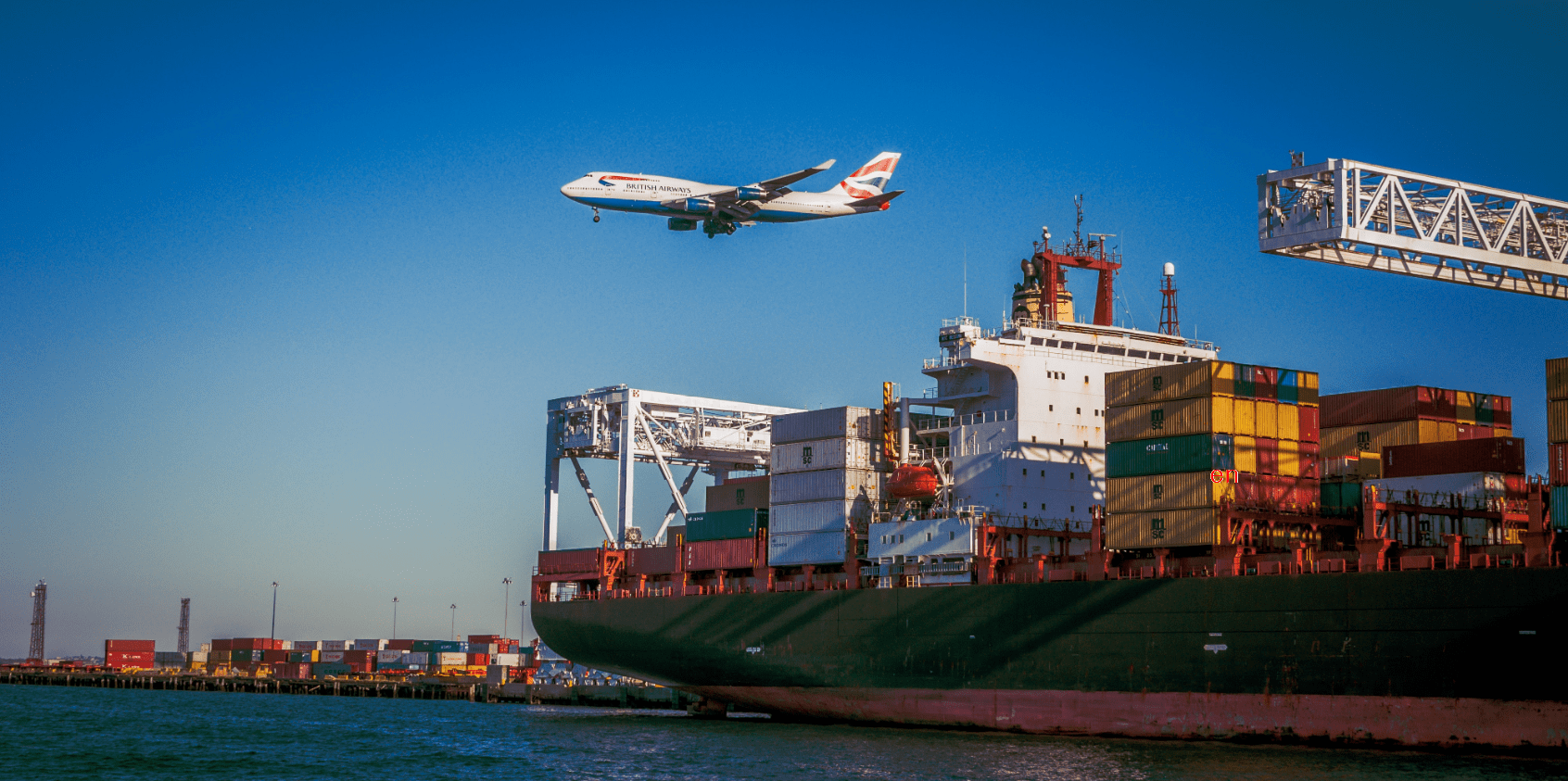
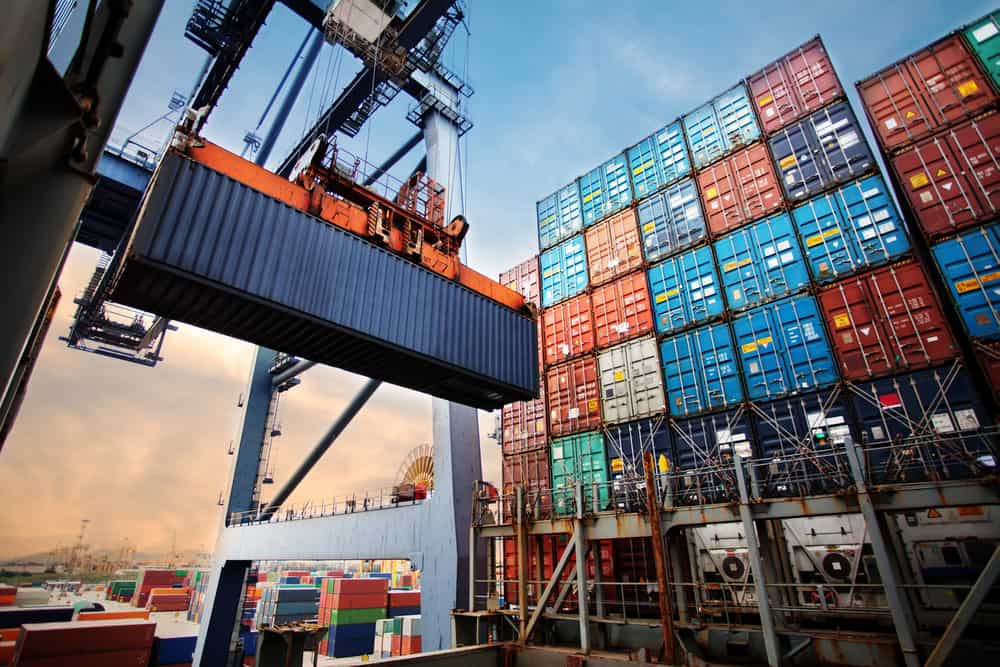
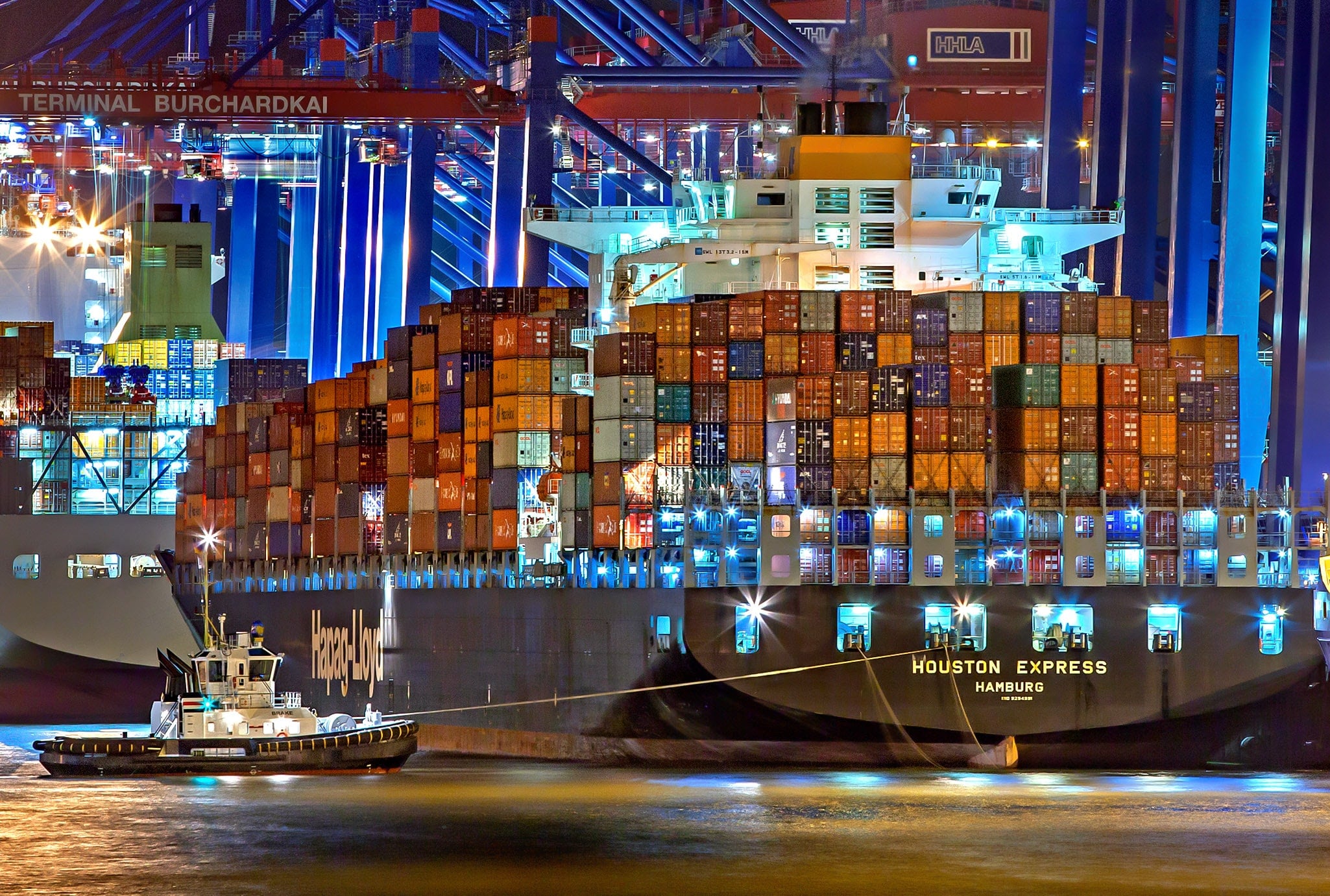
Precision-engineered containerized cargo models, DDP/DDU door-to-door lines, and offshore asset units tailored for Sino-Argentine trade corridors.

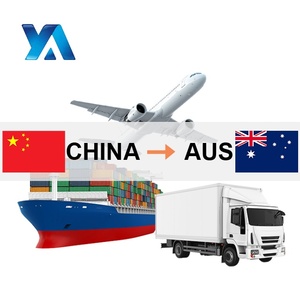
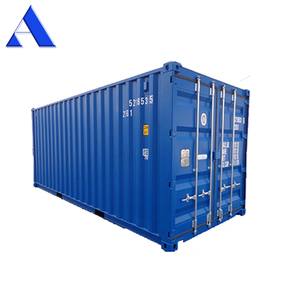
In modern international trade, traditional long-term holding strategies in destination warehouses incur immense capital lock-up, elevated real estate overheads, and heightened vulnerability to currency fluctuations—issues particularly amplified within the Argentine economic matrix. As a top-tier manufacturer of cross-docking operations and integrated supply chain systems based in China with specialized delivery corridors to South America, we deploy a zero-dwell, flow-through logistics architecture designed specifically for Argentine enterprises.
Cross-docking eliminates the traditional "storage and pick" routine. By receiving incoming consolidation containers directly from major Chinese manufacturing hubs—such as Ningbo-Zhoushan, Shanghai, Shenzhen, and Qingdao—at our specialized consolidation facilities, goods are instantly screened, sorted, barcode-scanned, and re-palletized based on final distribution points across Argentina (including Greater Buenos Aires, Córdoba, Rosario, and Mendoza). Cargo transitions seamlessly from inbound transport to outbound ocean or air carrier modules with zero intermediate storage delay.
Achieving operational superiority between China and Argentina requires overcoming unique geographical, infrastructural, and regulatory challenges. Transpacific maritime transit times to the Port of Buenos Aires (Puerto de Buenos Aires, terminals Exolgan, TRP, and BACTSSA) or the Port of Zárate typically range between 35 to 45 days. Under traditional logistics models, containerized cargo sits in port storage or bonded warehouses while documentation is validated, creating demurrage liabilities and capital inefficiency.
Our engineered cross-dock operational model transforms this dynamic through three core methodologies:
Tailored cross-docking workflows engineered for Argentina's distinct industrial hubs, trade regulations, and regional market demands.
In the Area Metropolitana de Buenos Aires (AMBA)—the core hub for platforms like Mercado Libre—speed to shelf is vital. Our China cross-dock facility sorts consumer electronics, apparel, and home goods into parcel-ready modules. Upon port clearance, goods bypass main storage facilities, landing directly at regional fulfillment centers within 12 hours.
Argentina's automotive manufacturing corridors in Córdoba and Rosario depend on Just-In-Time (JIT) parts delivery from Chinese tier-1 suppliers. Our cross-docking operations bundle engine components, electrical wiring harnesses, and stamped metal parts into synchronized container sequences, feeding assembly lines without maintaining costly inventory buffers.
Mining operators in Salta, Jujuy, and Catamarca require heavy machinery, structural steel, and specialized processing equipment. Utilizing DNV 2.7-1 certified offshore flat rack containers engineered in China, we manage break-bulk cross-docking from port terminals directly to heavy-haul land transport, navigating high-altitude logistics routes seamlessly.
For electronics manufacturers operating within the Special Economic Zone of Tierra del Fuego (Ushuaia & Río Grande), our specialized ocean cross-docking channels aggregate specialized components from Shenzhen/Guangzhou, maintaining serial-number level visibility under stringent tax-free zone compliance frameworks.
Navigating the Argentine commercial matrix requires an acute understanding of shifting economic regulatory frameworks, infrastructure modernizations, and customs mechanics. Importers and procurement directors operating in Argentina are currently responding to three major systemic evolutions:
With the transition from the former SIRA (Sistema de Importaciones de la República Argentina) to the modernized SEDI framework, foreign trade predictability has significantly improved. The removal of discretionary import licensing allows Argentine buyers to establish scheduled, high-frequency cross-docking programs from China. By implementing automated tariff filing (NCM classification) during the origin cross-dock phase in China, cargo clearance upon arrival at Argentine ports is streamlined, reducing border dwell times from weeks to hours.
As inland transportation costs across Argentina rise, enterprise importers are bypassing long-haul trucking by connecting ocean cross-docking with rail networks. Containers entering the Port of Buenos Aires or Port of Zárate are rapidly cross-docked onto the Belgrano Cargas rail system, serving agricultural, mining, and industrial zones in the Northwest (NOA) and Northeast (NEA) regions at a fraction of road freight costs.
Currency valuation shifts and foreign exchange management (ARCA/Central Bank regulations) demand lean operational models. Cross-docking directly reduces working capital requirements. By consolidating multiple suppliers into unified, door-to-door (DDP) or delivered duty unpaid (DDU) container streams, Argentine enterprises lower total landed cost per unit by eliminating redundant warehousing layers in South America.
Decades of certified expertise, institutional compliance, and proprietary software infrastructure ensuring risk-free Sino-South American freight execution.
Founded in 1995 (operating as G&B International Logistics / Green & Blue Group), our organization has evolved from a foundational ocean/air freight agency into a global 4th Generation Logistics (4GL) authority. Decades of maritime experience back our cross-docking operations, delivering absolute stability to complex supply chain routes.
Our operations hold top-tier regulatory credentials worldwide, including an official Federal Maritime Commission License in Washington, D.C. (FMC #4159N/F) as a licensed NVOCC, FAA affiliation for secure air freight, Dangerous Goods (D/G) Handling Certification (#A03043), and U.S. Customs ISA Certification (#GL0110004).
Introduced in 2006 and continuously upgraded through 2026, our 4th Generation Logistics (4GL) system provides live SKU-level tracking from China factory floors through cross-dock transshipment to final Argentine delivery. Real-time data streams give complete visibility over inventory in transit.
Unlike asset-light freight brokers, we own and manage physical warehouse footprint facilities (such as our core logistics center in Elk Grove Village, IL, and strategic cross-dock facilities in Shanghai, Ningbo, and Shenzhen), giving us direct operational control over cargo handling, container packing, and quality control.
Appointed as an official logistics service partner to international promotion agencies including KOTRA, and trusted by global retail enterprises such as SAM'S Club for complex distribution, our logistics frameworks are audited to meet strict global performance SLAs.
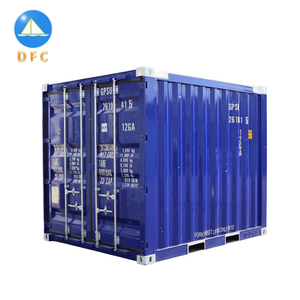
Beyond logistics orchestration, we supply brand-new ISO-standard 20ft/40ft dry containers and custom-engineered DNV-certified offshore flat racks. This dual manufacturing-logistics integration guarantees asset availability even during global container shortage cycles.
Direct technical answers to common regulatory, customs, and operational questions from Argentine logistics directors and buyers.
Connect with our senior logistics architects to design a customized, zero-dwell cross-docking program from China to your facilities anywhere in Argentina.