
Recommended Freight Forwarding, Container Transshipment, and Customs Operations Engineered for Manila Trade Routes
Streamlined less-than-container load transshipment tailored for rapid deconsolidation at Manila ports and direct dispatch to regional factories.
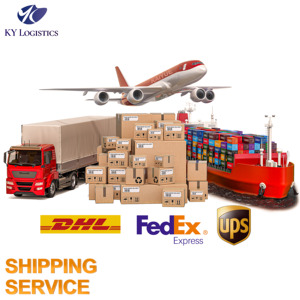
Flexible sea-air hybrid forwarding solutions designed to bypass Manila port congestion for urgent factory production schedules.
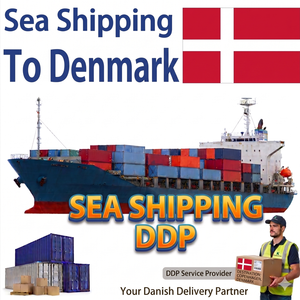
Full container load management with immediate off-dock stripping to eliminate container demurrage at MICT and Manila South Harbor.
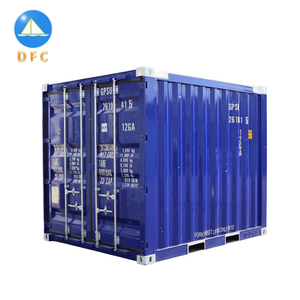
Custom engineered flat rack container logistics for oversized industrial machinery destined for Laguna and Cavite manufacturing zones.

End-to-end NVOCC container operations facilitating seamless movement between global exporter hubs and Manila distribution centers.
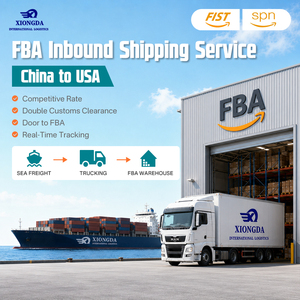
Specialized direct-to-hub cross-docking for high-velocity retail and e-commerce sellers targeting Greater Manila consumers.
High-security compliance protocols for cross-border cargo moving into Manila Freeports and Special Economic Zones (PEZA).
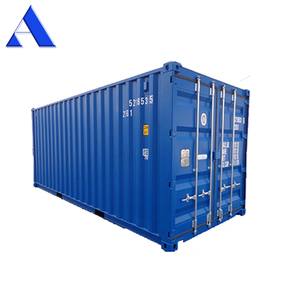
Certified intermodal dry containers available for immediate stuffing, storage, and cross-dock repositioning across Luzon.
The Metropolitan Manila trade ecosystem represents the economic heartland of the Philippines, processing over 60% of national containerized imports through the Manila International Container Terminal (MICT) and Manila South Harbor. However, managing supply chains serving Metro Manila and surrounding industrial hubs—such as the Cavite Economic Zone (CEZ), Laguna Technopark, and First Philippine Industrial Park (FPIP)—presents unprecedented challenges. Urban density, notorious traffic congestion, strict Metropolitan Manila Development Authority (MMDA) truck bans, and periodic port congestion force manufacturing facilities and global exporters to re-evaluate traditional warehousing models.
Cross-docking has emerged as the definitive supply chain architecture to bypass these bottlenecks. By definition, cross-docking operations eliminate long-term inventory storage by receiving inbound cargo at a strategic staging terminal, immediately deconsolidating or sorting the freight, and loading it directly onto outbound transport vehicles heading for manufacturing plants, distribution hubs, or retail end-points. When executed by experienced factories and export logistics partners, cross-docking converts static inventory into a dynamic, continuous movement stream.
For international exporters shipping goods from China, North America, Europe, or Southeast Asia into Manila, establishing a synchronized cross-dock pipeline involves three vital phases:
Cross-docking is not a one-size-fits-all logistical framework; its operational execution varies significantly depending on the industry sector, commodity type, and target zone within Luzon. Below are key real-world application scenarios demonstrating how specialized cross-docking operations drive competitive advantages for Manila buyers and global exporters.
High-tech electronics manufacturers operating in Philippine Economic Zone Authority (PEZA) parks require raw materials and micro-components on strict JIT schedules. Overseas exporters ship components via air or fast sea freight into Manila. Cross-dock staging hubs deconsolidate shipments under bonded customs status, performing quick quality inspections before dispatching directly to cleanrooms, eliminating storage fees and PEZA tax complications.
Global food and consumer product exporters shipping to major Philippine supermarket chains (such as SM Retail, Puregold, and Robinsons) utilize temperature-controlled cross-docking. Palletized containers arriving at Manila ports are transferred to cold-chain staging centers where products are cross-sorted into store-ready pallet loads, ensuring maximum shelf life and zero warehousing dwell time.
Automotive assembly plants along the Santa Rosa-Calamba industrial belt rely on scheduled container deliveries. Heavy flat-rack or open-top containers holding automotive frames, engine blocks, and machinery are transloaded at specialized off-dock facilities onto low-bed trailers, bypassing city road weight limits while ensuring continuous factory line assembly.
The Philippines’ logistics landscape is experiencing a massive structural transformation driven by macro-economic initiatives, infrastructure investments, and technology integration. Factories and exporters serving Manila must align their distribution strategies with the following emerging trends:
The Philippine government’s ongoing infrastructure push is altering regional freight corridors. Projects like the NLEX-SLEX Connector Road, the Cavite-Laguna Expressway (CALAX), and the Harbor Link Expressway allow freight trucks to bypass Manila’s urban core entirely. Modern cross-dock operators are positioning facilities at key expressway intersections (e.g., Valenzuela in the North, Santa Rosa/Bulacan in the South) to facilitate seamless transshipment between Northern and Southern Luzon without entering city traffic bottlenecks.
To reduce systemic reliance on Manila South Harbor and MICT, major exporters are adopting a multi-gateway cross-dock strategy. Subic Bay International Terminal serving Central/Northern Luzon and Batangas International Port serving Southern Luzon are integrated into cross-dock networks. Freight can be discharged at Batangas, cross-docked within hours, and delivered to Cavite factories, eliminating the need to traverse Metro Manila altogether.
The modern cross-docking facility operating in the Manila market has transitioned from manual tally sheets to automated RFID/barcode scanning and IoT-enabled visibility. Real-time EDI integration allows buyers in Manila to track cargo from the moment it leaves the exporter’s factory in China or the US, through container stripping at the Manila staging hub, down to final delivery confirmation at their warehouse gate.
The economic impact of adopting a professional cross-docking model for Manila imports is demonstrated in the comparative analysis below:
| Logistical Metric | Traditional Manila Warehousing | G&B Optimized Cross-Docking | Operational Impact |
|---|---|---|---|
| Average Dock-to-Stock Time | 5 to 9 Days (Port Dwell + Storage) | 6 to 18 Hours (Direct Flow) | 85% Speed Increase |
| Port Demurrage & Detention Risk | High (Frequent Port Congestion) | Near Zero (Immediate Off-Dock Yard Transfer) | Eliminates $150-$300/day penalties |
| Warehouse Real Estate Overhead | High (Long-Term Rental in Metro Manila) | Zero (Zero Long-Term Storage Requirement) | 60% Reduction in Fixed Costs |
| Handling & Inventory Damage Risk | Multiple Touches (Put-away, Pick, Pack) | Single Touch (Direct Transload) | 70% Drop in Cargo Claims |
| MMDA Truck Ban Mitigation | Reactive (Prone to Severe Traffic Delays) | Proactive (Staged Night/Off-Peak Dispatch) | Predictable Supply Chain Timing |
Executing successful cross-docking operations for the complex Manila market requires a freight forwarding partner with extensive global infrastructure, regulatory authority, and decades of operational experience. G & B International, Inc. (Green & Blue Group) has been at the forefront of international trade and logistics engineering since 1995.
Headquartered in Wood Dale, Illinois (Chicago gateway), G&B International Logistics maintains strategic office hubs and distribution nodes at key international trade gateways, including Los Angeles (LAX), New York (JFK), and an extensive logistics network spanning over 140 countries. Our authoritative status is backed by rigorous global certifications:
By leveraging our 29+ years of industry tenure, global shippers and Manila importers benefit from tailored cross-docking architectures that reduce transit times, ensure strict customs compliance with the Philippine Bureau of Customs (BOC), and optimize landed costs.
Navigating the nuances of shipping, clearing, and cross-docking goods into Manila requires clear regulatory and operational insight. Below are answers to common queries from local procurement managers and international exporters.
The Metropolitan Manila Development Authority (MMDA) enforces strict truck bans on major arterial roads (such as EDSA, C5, and Roxas Boulevard) during peak hours (6:00 AM – 10:00 AM and 5:00 PM – 10:00 PM). Cross-docking facilities strategically located outside congested municipal zones (e.g., in Valenzuela, Bulacan, or Laguna) allow containers to be drayed off the port during off-peak hours or night windows. Cargo is deconsolidated at the cross-dock hub and staged for immediate dispatch during allowed travel windows, preventing costly truck downtime and traffic fines.
Under Delivered Duty Paid (DDP), the exporter assumes full responsibility for ocean freight, Manila port charges, Bureau of Customs (BOC) import duties, local taxes (VAT/EVAT), and final truck delivery from the cross-dock hub to the buyer's facility. Under Delivered Duty Unpaid (DDU / DAP), the overseas exporter handles transport to the cross-dock hub, but the Manila buyer pays local customs duties and taxes before final release. G&B International Logistics handles both DDP and DDU frameworks, ensuring full customs compliance regardless of incoterms.
Port congestion in Manila can quickly consume free-time allowances (typically 3 to 7 days), leading to heavy daily container demurrage fees assessed by ocean lines. A cross-dock operation prioritizes immediate container pickup upon discharge. The container is pulled to an off-dock container yard, stripped of its cargo in hours, and the empty container is returned to the shipping line depot immediately—effectively capping equipment detention risks.
Standard BOC import clearances require a Commercial Invoice, Packing List, Bill of Lading (B/L) with NVOCC manifest details, Import Entry and Internal Revenue Declaration (IEIRD), Certificate of Origin (Form E for China-ASEAN preference, Form AK for Korea-ASEAN), and specific permits from agencies such as FDA, BPI, or PEZA green lane clearances where applicable. Proper documentation prevents shipments from being held for physical inspection at the pier.
Yes. PEZA registered enterprises enjoy tax and duty-free import privileges. Cross-docking facilities operating under bonded customs supervision can transfer PEZA-destined cargo under official BOC Transit Permits (Single Administrative Document - SAD) directly from the port of Manila to PEZA economic zones in Laguna, Cavite, or Batangas without paying advance duties, preserving tax incentives.
Absolutely. Temperature-controlled cross-docking utilizes refrigerated dock seals, temperature-monitored staging rooms, and reefer transloading bays. Reefer containers arriving at Manila ports are immediately connected to generator sets (gensets) during transport to the cold-chain cross-dock hub, where goods are transferred directly into temperature-controlled delivery vans or refrigerated trucks without breaking the cold chain.