

Italy stands as the second-largest manufacturing powerhouse in the European Union, renowned globally for its highly specialized industrial clusters, precision mechanical engineering, luxury textiles, automotive components, and high-end consumer goods. Navigating the logistical architecture of sourcing goods from Italian factories requires a deep, structural understanding of localized supply chains, European Union Customs Code (UCC) mandates, and complex international trade terms. Door-to-door cargo shipping has emerged as the definitive strategy for global importers seeking to minimize operational friction, eliminate duty discrepancies, and secure guaranteed lead times from origin manufacturing plants directly to destination distribution centers worldwide.
Unlike standardized bulk commodity shipping, cargo originating from Italian factories—ranging from high-value CNC machinery produced in Lombardy to handcrafted leather goods in Tuscany—demands tailored logistics protocols. Managing door-to-door freight from Italy entails coordinating factory-floor pickup (EXW or FCA), inland drayage across regional transport hubs, export customs clearance, maritime or air freight booking, destination port handling, customs duty payment, and final-mile delivery. By centralizing these multi-tiered operations under a single certified freight forwarder, enterprises effectively eliminate the traditional risks associated with handed-off liabilities and fragmented tracking systems.
Achieving seamless door-to-door execution requires precise execution of customs protocols and tax structures governed by Agenzia delle Dogane e dei Monopoli (Italian Customs Agency). Global procurement directors must evaluate the operational trade-offs between DDP and DDU agreements to determine the optimal financial and legal structure for their supply chains.
Under DDP terms, the freight forwarder handles every operational phase, including destination import declaration, payment of customs duties, handling of Value Added Tax (VAT / IVA), and delivery to the final consignee address. For buyers acquiring equipment or goods from Italian factories without a physical EU presence, DDP provides a frictionless turnkey experience. All financial obligations are consolidated into a single upfront freight invoice, mitigating unexpected demurrage or storage charges at destination ports.
Under DDU (or DAP - Delivered at Place), the seller or forwarder manages cargo movement up to the buyer’s designated destination facility, but the buyer remains the Importer of Record (IOR) responsible for paying destination duties, local tariffs, and import taxes. This model is preferred by corporate entities with established local customs bonds and specialized tax deferral accounts, allowing them to retain direct oversight of their import tax entries while relying on the forwarder for physical drayage and transport.
Every export shipment leaving Italian manufacturing facilities requires rigorous compliance verification to pass customs checks without delay. Essential regulatory components include:
Italy’s economic geographic structure is characterized by specialized regional manufacturing districts. A successful door-to-door cargo strategy must align transport modalities with the unique operational realities of these regional hubs:
Key Locations: Milan, Brescia, Bergamo.
Cargo Profile: Heavy industrial machinery, CNC tooling, automated packaging lines.
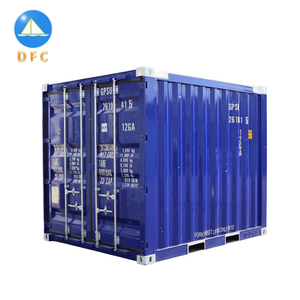
Logistics Strategy: Out-of-Gauge (OOG) and breakbulk solutions using Specialized Flat Rack (10ft, 20ft, 40ft) or Open Top containers. Low-boy drayage transport from plant to the Port of Genoa or La Spezia with police escorts for oversized dimensions.
Key Locations: Florence, Prato, Vicenza, Riviera del Brenta.
Cargo Profile: High-end apparel, leather goods, jewelry, premium footwear.
Logistics Strategy: High-security garment-on-hanger (GOH) containers and expedited air freight via Milan Malpensa (MXP) or Rome Fiumicino (FCO). Complete temperature and humidity monitoring with GPS real-time tracking for luxury assets.
Key Locations: Modena, Bologna, Sassuolo, Parma.
Cargo Profile: High-performance automotive components, ceramic tiles, precision hydraulic pumps.
Logistics Strategy: Full Container Load (FCL) sea freight utilizing heavy-duty ISO standard containers, routed via intermodal rail corridors from Modena dry ports to North Sea or Mediterranean gateways.
Modern supply chains operating within Italy and the broader EU ecosystem are undergoing structural transformations driven by sustainability mandates, technological digitization, and multimodal infrastructure investments. Importers and exporters must adapt to these key trends:
With strict EU climate targets, industrial exporters in Italy are adopting green freight corridors. Door-to-door logistics providers are integrating electric and LNG-powered inland drayage trucks, alongside rail-sea intermodal combinations, to provide carbon-footprint reporting compliant with global Corporate Sustainability Reporting Directives (CSRD).
Italy’s Agenzia delle Dogane has pioneered digital clearance systems. Automated pre-clearance during vessel transit, electronic bill of lading (e-BL) adoption, and IoT smart container tracking have reduced import/export customs clearance times at Italian ports from days to hours, mitigating container demurrage risk.
Inland dry ports such as Verona Quadrante Europa and Interporto di Bologna are expanding direct rail freight links to major European manufacturing nodes and ports. This infrastructure allows door-to-door cargo to bypass highway congestion, offering dependable, scheduled transit times for industrial shippers.
Leading enterprises are transitioning from standard freight forwarding to 4GL models, where logistics partners manage end-to-end supply chain visibility, multi-vendor consolidation in Italian origin warehouses, and real-time inventory tracking across global bonded warehouse networks.
Founded in 1995 and headquartered in Wood Dale, Illinois (Green & Blue Group), G&B International Logistics has built nearly three decades of operational distinction in global freight forwarding, customs brokerage, and supply chain management. We specialize in engineering seamless door-to-door logistics bridging Italian manufacturing centers with North American, Asian, and worldwide destinations.
FMC License #4159N/F issued in Washington, D.C., authorizing full ocean freight forwarder and Non-Vessel Operating Common Carrier capabilities with direct carrier contract rates.
FAA Member with Dangerous Goods Operation Certificate (#A03043), enabling certified handling of hazardous, chemical, and time-critical air cargo shipments globally.
ISA Certificate #GL0110004 issued by U.S. Customs, validating the highest standard of trade compliance, expedited customs release, and secure supply chain execution.
Critical insights for logistics directors, procurement managers, and international buyers sourcing cargo from Italian factories and suppliers:
Partner with G&B International Logistics for end-to-end door-to-door cargo solutions. Experience certified compliance, proprietary 4GL cargo tracking, and competitive freight rates tailored for Italian suppliers and global enterprises.