
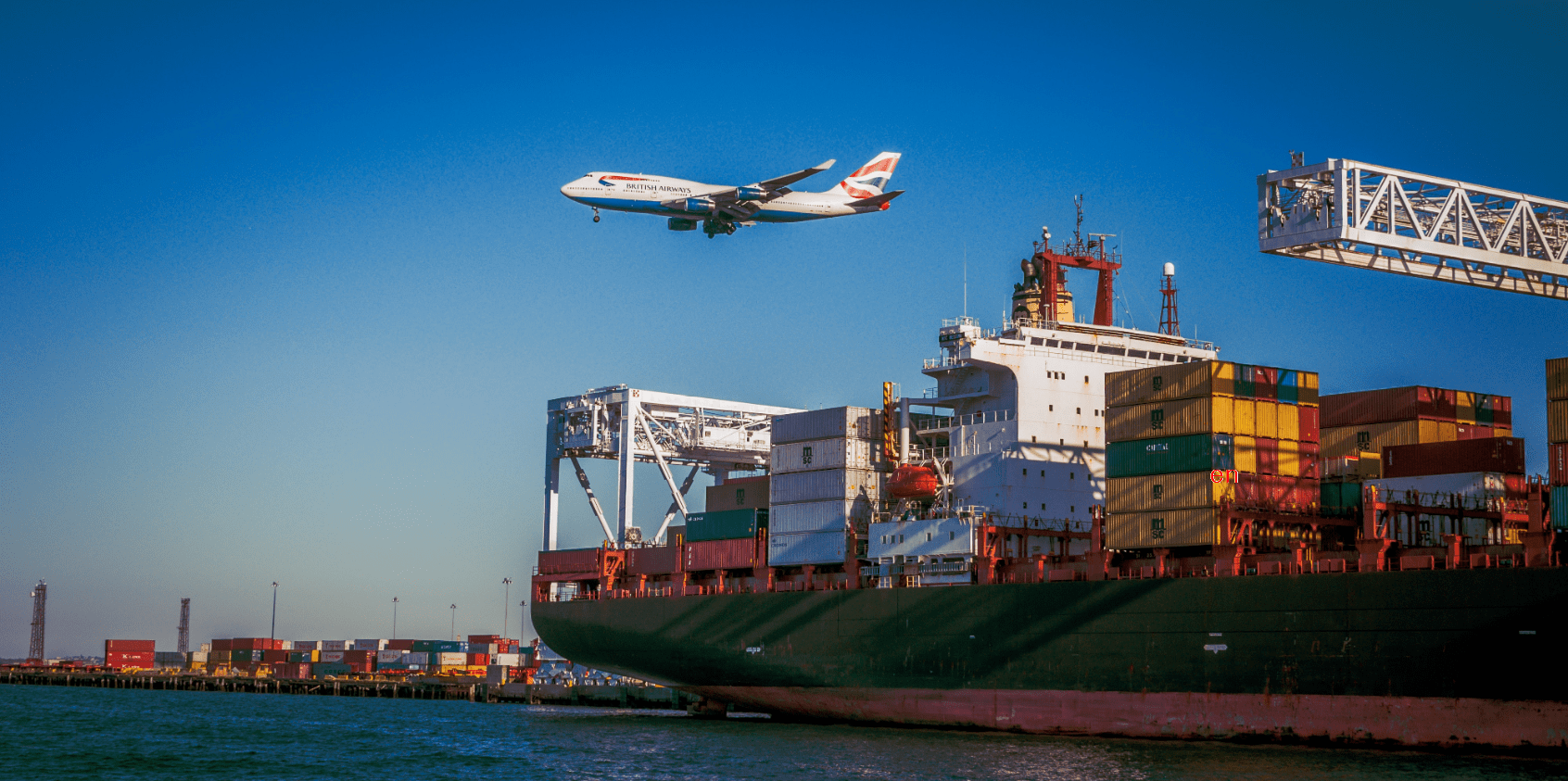
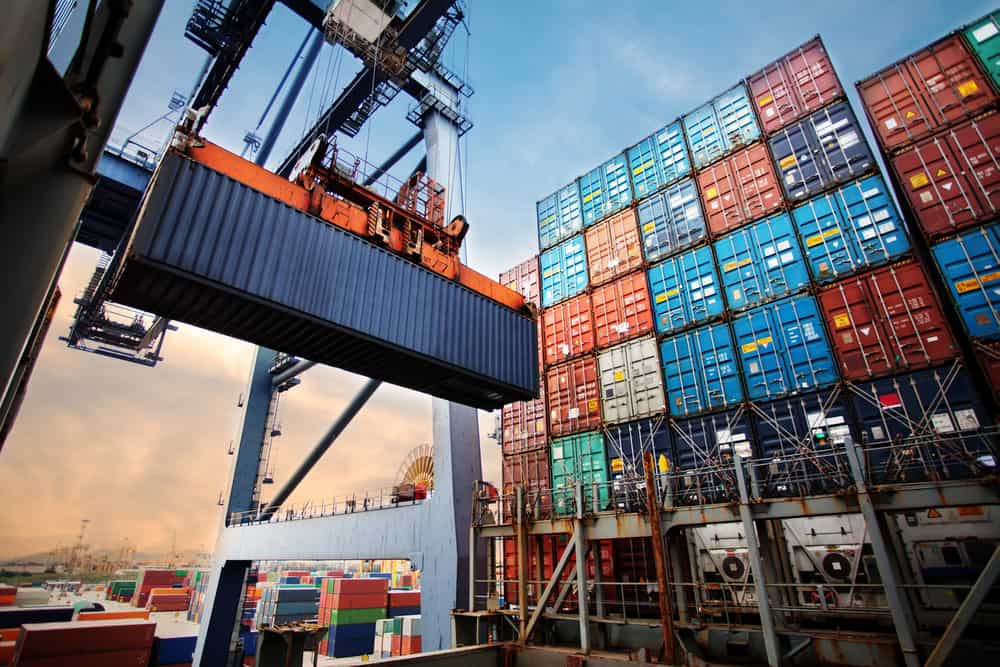
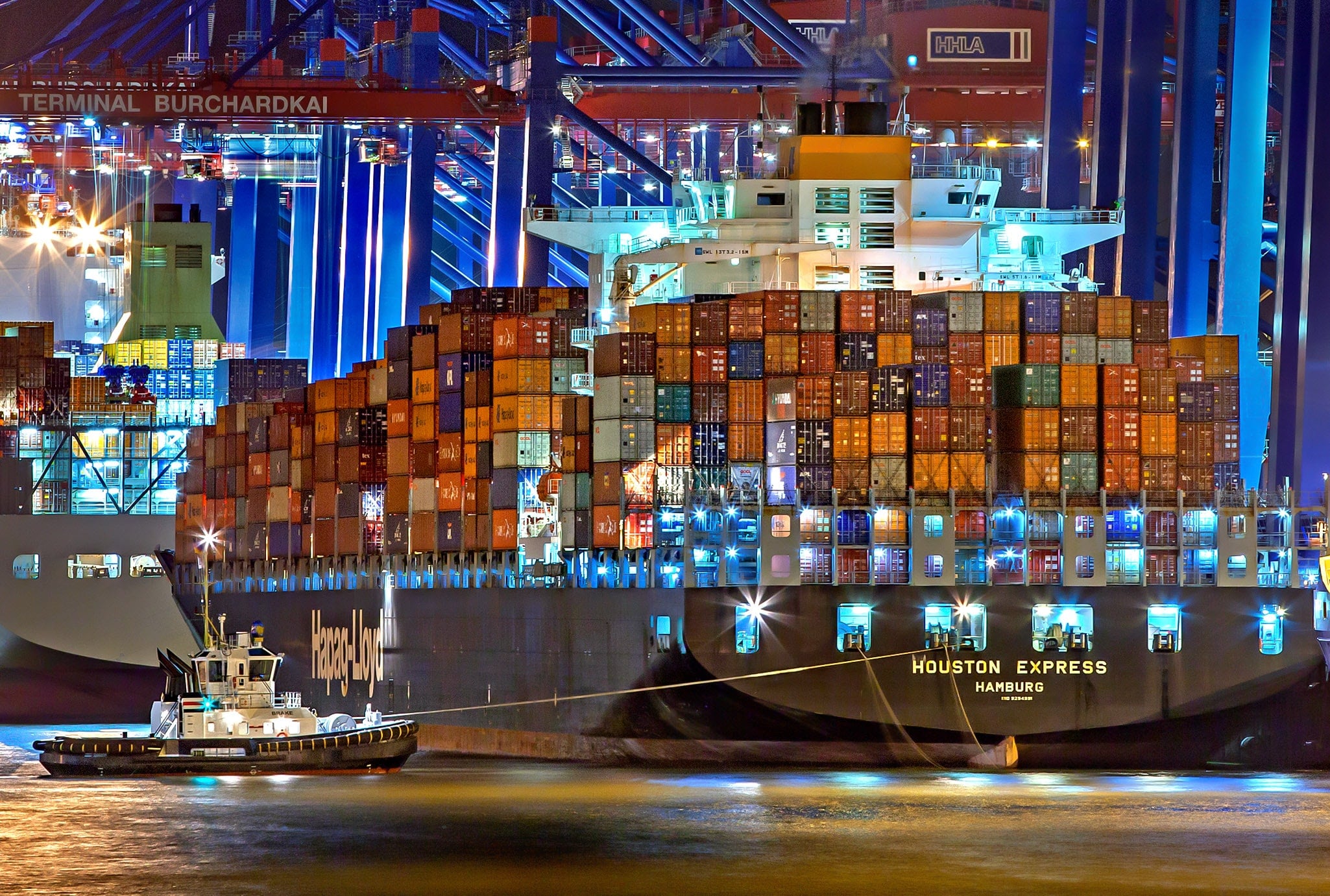
Tailored international air, sea, and multimodal transportation systems engineered for strict temperature tolerance and rapid Seoul customs entry.

The Seoul Metropolitan Area—housing over 25 million consumers—represents one of the world's most dense, fast-paced, and quality-conscious consumer markets. Managing logistics for temperature-sensitive cargo, fresh agri-produce, premium seafood, and bio-pharmaceuticals bound for Seoul demands far more than basic freight forwarding. It requires a highly engineered, seamless cold-chain infrastructure capable of maintaining strict thermal parameters (+15°C ambient, +2°C to +8°C chilled, -20°C frozen, and -70°C deep cryogenic) across multi-jurisdictional transit corridors.
As an experienced OEM/ODM Perishable Goods Logistics Supplier and Exporter, G&B International Logistics (Green & Blue Group) leverages nearly three decades of operational mastery (established in 1995) to overcome the complex friction points of international shipping into South Korea. From ocean vessel discharge at Busan or Incheon Port to high-priority air cargo handling at Incheon International Airport (ICN), our cold-chain protocols comply directly with South Korea’s Ministry of Food and Drug Safety (MFDS) regulations and the Korean Customs Service (KCS) automated EDI import clearing procedures.
Our tailored OEM/ODM solutions empower global suppliers and Korean enterprise importers to minimize cargo shrinkage, eradicate shelf-life deterioration, and ensure absolute compliance with local freshness standards. By integrating real-time telemetry, insulated thermal barrier wrapping, active compressor reefer units, and bonded warehouse staging, G&B serves as the vital logistical link between international producers and Seoul’s premier retail, food service, and industrial networks.
Examining targeted cold-chain delivery pathways, urban micro-fulfillment routes, and specialized trade infrastructure within South Korea.
High-value perishable commodities—such as fresh Atlantic salmon, imported berries, and truffle products—arrive at Incheon International Airport (ICN). G&B executes rapid tarmac transfers to active temperature-controlled vans, guaranteeing arrival at luxury hotels, high-end restaurants, and premium department stores in Gangnam and Jung-gu within 3 to 5 hours of flight touchdown.
Bulk maritime perishable imports (citrus, avocados, beef, and pork) enter via Busan Port or Incheon New Port in 40ft High-Cube Reefer containers. Utilizing express electrified drayage corridors, cargo is transported directly to the Garak Agricultural & Marine Products Wholesale Market in Songpa-gu, maintaining an uninterrupted +2°C cold chain without thermal spike risks.
The Songdo International Business District in Incheon serves as South Korea’s major biomanufacturing hub. G&B provides specialized OEM cryogenic logistics utilizing dry-ice and liquid nitrogen (LN2) shippers to transport sensitive reagents, vaccines, and cell lines between Seoul research hospitals and Songdo bio-laboratories under strict FAA Dangerous Goods (D/G) protocols.
Assisting Korean manufacturers in exporting temperature-sensitive K-food products (fresh kimchi, chilled sauces, ready-to-eat meals) from processing plants in Gyeonggi-do to North American and European retail chains. G&B provides full export customs brokerage, ocean freight containerization, and US FDA / EU health certificate alignment.
Partnering with South Korea’s leading e-commerce platforms (Coupang Rocket Fresh, Naver, Market Kurly) to provide rapid replenishment from port-side bonded warehouses to micro-fulfillment centers (MFCs) nestled within Seoul’s urban districts, enabling early-morning ("Dawn Delivery") retail fulfillment.
The South Korean cold-chain logistics domain is undergoing rapid technological and regulatory evolution. Driven by stringent government policies, heightened consumer awareness regarding food security, and corporate sustainability imperatives, businesses importing or exporting perishables must adapt to four pivotal structural shifts:
| Logistics Trend Vector | Technical Industry Shift | Impact on Seoul Supply Chains | G&B OEM/ODM Solution Alignment |
|---|---|---|---|
| Strict Regulatory Compliance | Enforcement of Korea's amended Cold Chain Management Act for food and medical products. | Mandatory digital logging of temperature metrics every 10 minutes; loss of license for temperature breaks >2°C. | Real-time IoT Bluetooth/Cellular telemetry data loggers attached to every pallet with automatic cloud backup. |
| ESG & Green Refrigeration | Transition away from high-GWP HFC refrigerants to natural CO2 (R744) and R290 systems. | Reduces carbon tax liabilities at South Korean customs ports and supports corporate ESG reporting. | Deployment of eco-friendly, energy-efficient reefer containers and electric drayage fleet options for inner-city Seoul routes. |
| Automated Urban Fulfillment | Proliferation of Automated Micro-Fulfillment Centers (MFCs) within Seoul city limits. | Requires smaller, high-frequency LCL deliveries rather than massive weekly FCL drop-offs. | Flexible DDP/DDU LCL consolidation schedules providing daily bonded truck dispatch into Seoul urban centers. |
| KOTRA Trade Synergy | Deepened integration between South Korean trade promotion infrastructure and international logistics nodes. | Accelerates customs duty draw-backs and provides subsidized overseas staging facilities for Korean trade partners. | Official partnership with KOTRA Joint Overseas Distribution Centers, offering seamless overseas-to-Seoul logistics channels. |
Unrivaled security, trustworthiness, and personalized supply chain governance since 1995.
Licensed by the Federal Maritime Commission (FMC License #4159N/F) as an Ocean Freight Forwarder and NVOCC. Fully affiliated with the FAA and certified for Dangerous Goods (D/G Certificate #A03043) for air freight precision.
Holder of U.S. Customs Importer Support Activity (ISA Certificate #GL0110004), demonstrating the highest standards of international trade compliance, expedited customs processing, and zero-defect audit history.
Contracted logistics provider for KOTRA (Korea Trade-Investment Promotion Agency) since 2006, managing Joint Overseas Distribution Centers that empower Korean exporters and global buyers with specialized warehouse infrastructure.
Featuring company-owned warehouse facilities in Elk Grove Village, IL, combined with strategic gateway offices at Los Angeles (LAX), New York (JFK), and Chicago (ORD), alongside robust warehouse nodes in Korea.
Pioneers of 4th Generation Logistics (4GL) management, providing enterprise clients with real-time cargo visibility, cloud WMS portals, automated temperature deviation alerts, and specialized vehicle fleet distribution.
From factory floor picking to final destination drop-off in Seoul, our unified single-point-of-contact system removes inter-carrier communication gaps, reducing transit times and risk exposure.
Addressing critical regulatory, technical, and operational questions commonly raised by procurement directors in South Korea.
All agricultural and perishable imports entering South Korea via Incheon Airport or Busan Port must undergo dual inspection by the Korean Customs Service (KCS) and the Ministry of Food and Drug Safety (MFDS). Essential documentation includes an official Phytosanitary or Health Certificate from the exporting country, a detailed Commercial Invoice, Packing List, and Bill of Lading (B/L). G&B handles pre-arrival EDI submission to ensure immediate clearance upon vessel or flight arrival, avoiding costly container demurrage and thermal exposure.
We deploy active sensor-monitored reefer containers equipped with auxiliary battery backup packs and remote cellular alarms. If a container is held in port quarantine, our localized drayage team immediately connects the unit to port terminal reefer plugs. Furthermore, for LCL or palletized air cargo, we apply high-grade multi-layer aluminum thermal blankets and dry-ice re-topping to maintain thermal stability for up to 72 hours of static hold.
Yes. Through our bonded warehousing facilities, we offer value-added OEM/ODM packaging services. This includes re-packing into retail-ready insulated cartons, adding dry-ice or gel packs customized to product dissipation rates, applying Korean-language compliant labeling required by MFDS, and staging cargo into localized delivery trucks bound for Seoul’s major district hubs.
Air freight shipments from major US gateways (ORD, LAX, JFK) or European hubs (FRA, AMS) arrive at Incheon International Airport (ICN) within 14 to 24 hours flight time, with expedited customs clearance completing within 2 to 4 hours post-landing. Ocean freight reefer shipments from US West Coast ports take approximately 12 to 16 days to reach Busan/Incheon Port, while Europe-to-Korea ocean routes average 30 to 38 days depending on the selected vessel loop.
As an officially contracted KOTRA logistics provider since 2006, G&B operates within KOTRA’s Joint Overseas Distribution Center framework. This grants Korean enterprise buyers and overseas exporters access to subsidized overseas warehouse staging, preferential freight tariffs, streamlined duty drawbacks, and pre-verified trade facilitation support, significantly reducing overall operational overhead.
Absolutely. Every cold-chain shipment managed by G&B is paired with digital IoT telemetry tracking devices. Clients receive real-time visibility into internal cargo temperature, relative humidity, shock/tilt events, and exact GPS location through our cloud WMS portal. Full digital data logs are available for instant export to satisfy South Korean MFDS regulatory audits and internal QA compliance.
Partner with an FMC-licensed, FAA-certified, and KOTRA-recognized logistics leader. Contact our cold-chain engineering team to receive a tailored route evaluation and instant freight quote.
Contact Us