
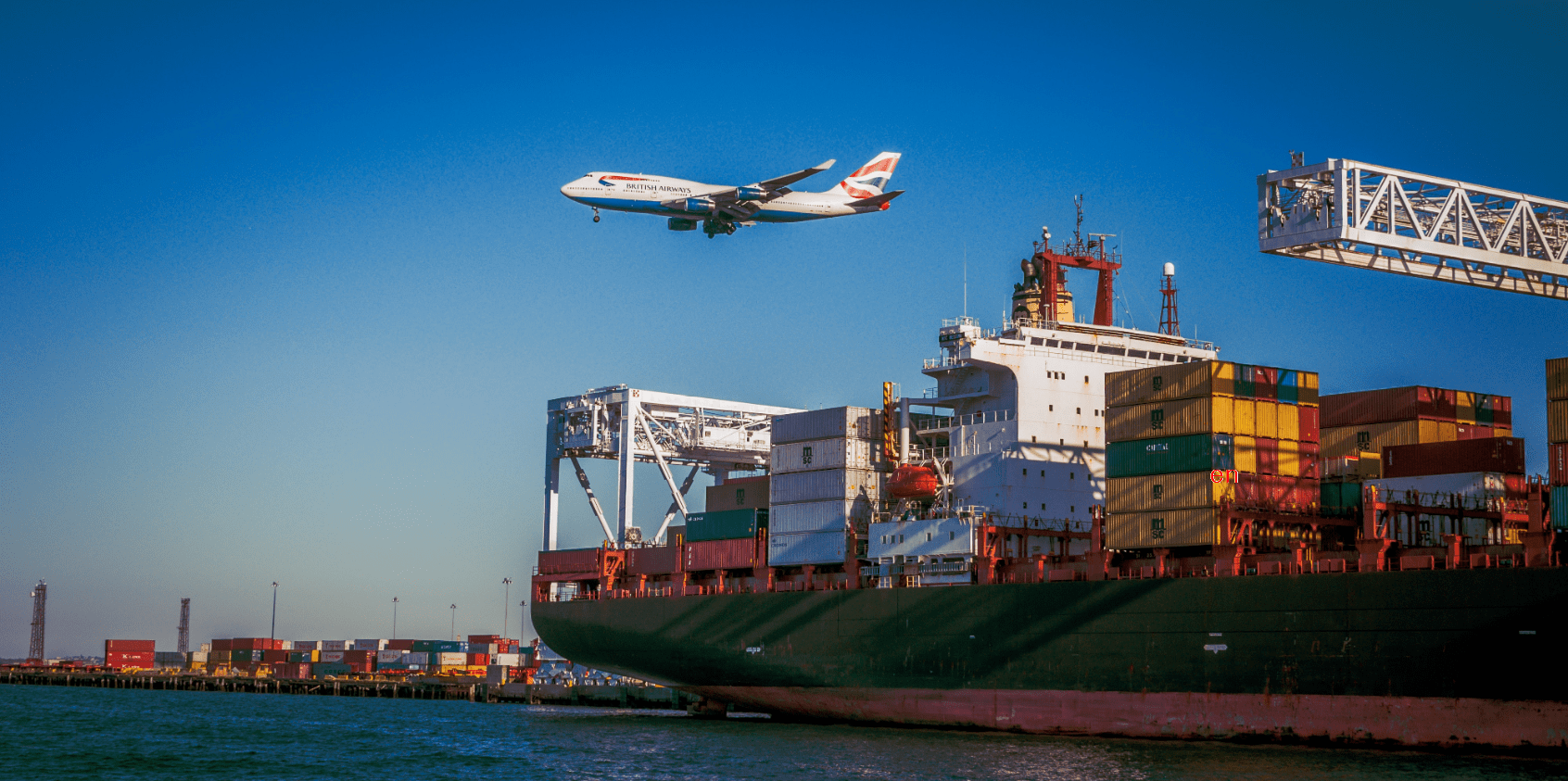
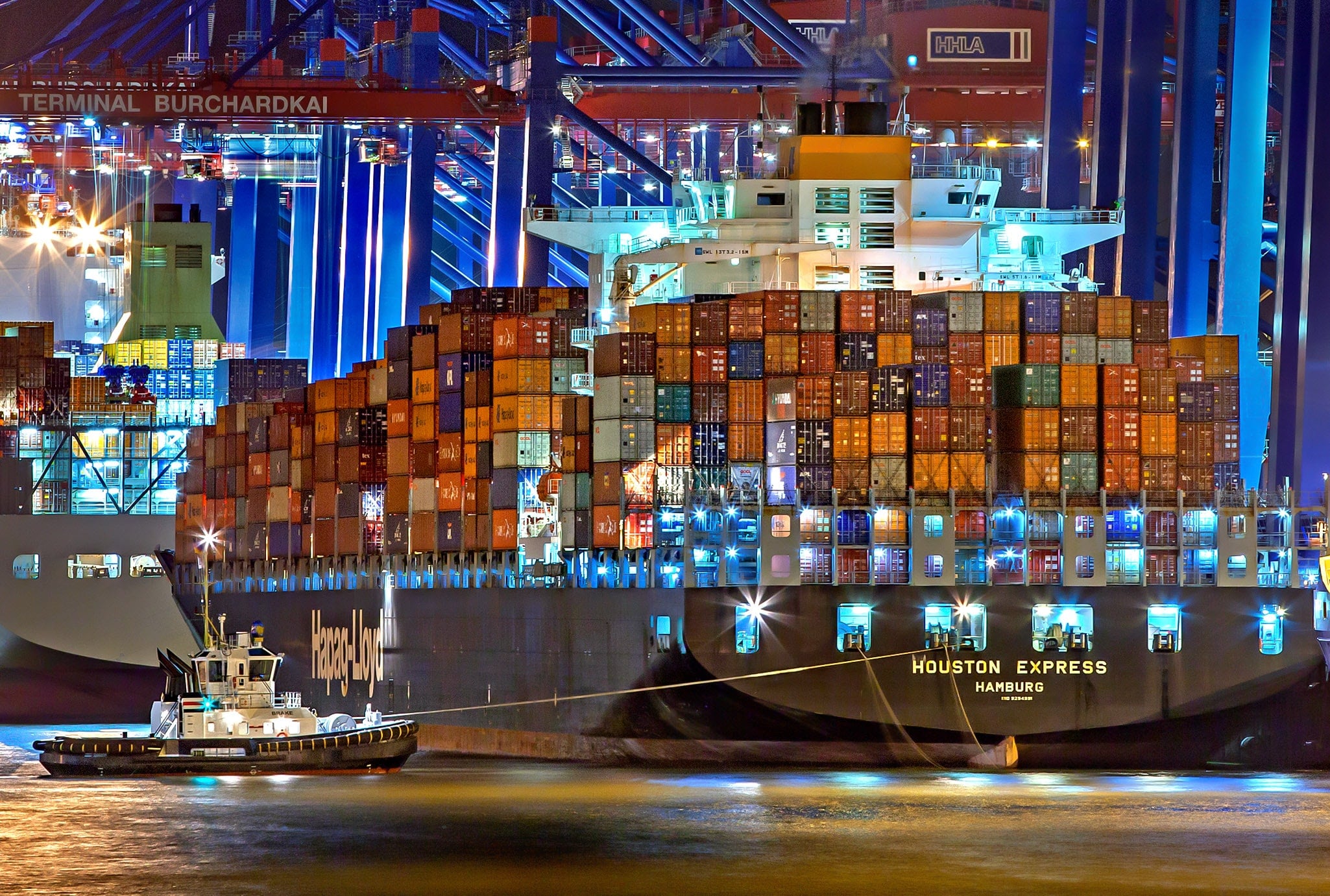
Direct supplier solutions and multimodal freight forwarding services engineered for major Japanese port terminals including Tokyo, Yokohama, Nagoya, Osaka, and Kobe.
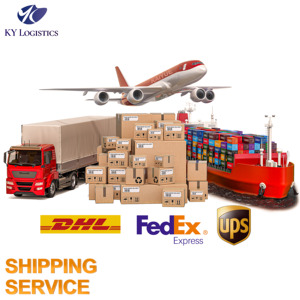
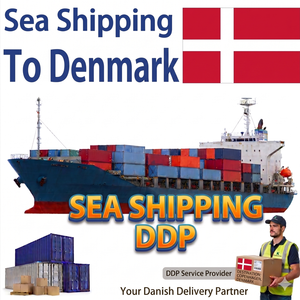

An in-depth guide to ocean terminal operations, quay crane stevedoring, drayage bottlenecks, and customs clearing mechanisms across Japan's principal maritime gateways.
Japan’s supply chain ecosystem relies on a network of high-density maritime hubs, categorized primarily by the Ministry of Land, Infrastructure, Transport and Tourism (MLIT) into International Strategic Ports and International Hub Ports. The Keihin Port complex—encompassing Tokyo Port, Yokohama Port, and Kawasaki Port—serves as the main gateway for containerized consumer goods, precision automotive parts, and high-value machinery. Conversely, the Hanshin Port complex—comprising Kobe Port and Osaka Port—acts as the foundational logistics corridor for Western Japan (Kansai region), supporting heavy industry, chemical manufacturing, and agricultural imports.
Operating within Japanese container terminals requires adherence to stringent operational protocols, quay crane efficiency standards, and localized labor framework mandates. Unlike general North American or European terminals, Japanese berth operators prioritize minimal vessel turn-around time (TAT), zero-damage stevedoring handling, and precision yard stacking using automated Rubber-Tired Gantry (RTG) cranes. As a factory supplier and logistics partner specializing in Japan-bound supply chains, our infrastructure bridges international factory floors directly with local Japanese Container Yards (CY) and Container Freight Stations (CFS).
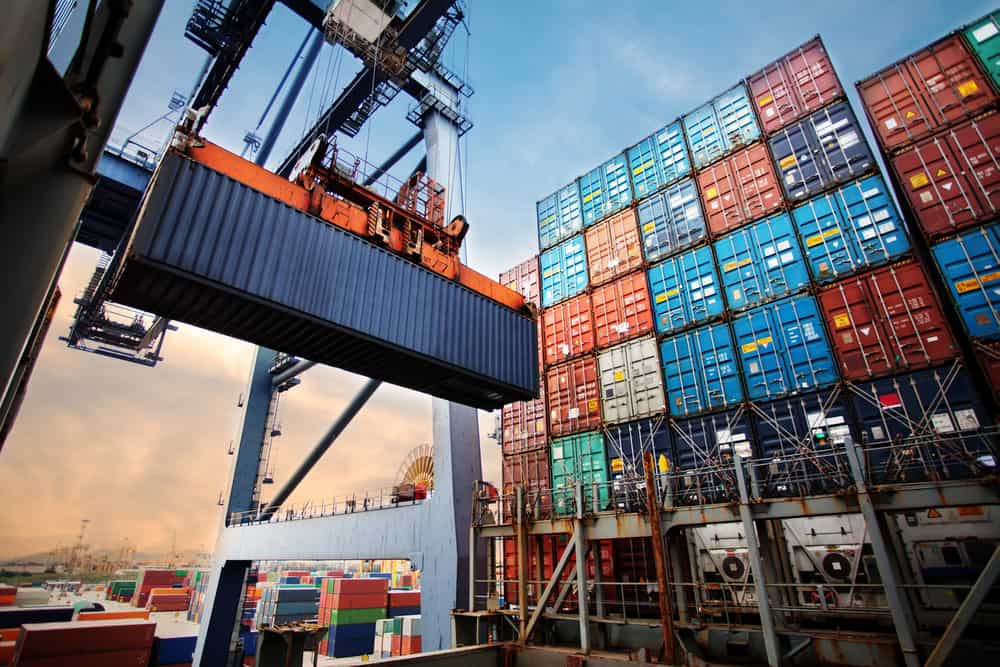
Precision crane operations utilizing certified gear. Managed under strict Japanese safety standard laws (港湾労働法) to ensure damage-free unloading of FCL, LCL, and heavy lift breakbulk cargo.
Optimized short-haul drayage solutions connecting Yokohama APM Terminal, Tokyo Ohi Container Terminal, and Kobe Port directly to factory locations via chassis tracking systems.
Direct electronic Data Interchange (EDI) filing into Japan's Nippon Automated Cargo and Port Consolidated System (NACCS) for immediate customs release and import duty assessment.
Tailored supply chain workflows customized for specific industrial sectors and regional logistics corridors across the Japanese archipelago.
Nagoya Port handles over 10% of Japan’s total trade value, driven primarily by Toyota Motor Corporation and adjacent tier-1 automotive suppliers. Our logistics services utilize DNV-certified flat rack containers (10ft/20ft/40ft) for high-tonnage stamping equipment, robotic assembly components, and heavy industrial dies. We coordinate ramp-to-door low-boy trailer transshipment, ensuring zero-clearance tolerance standards are met during transit through Aichi prefecture's industrial highways.
Serving the high-tech manufacturing parks in Chiba, Ibaraki, and Kanagawa, importing cleanroom equipment requires vibration-isolated container handling. Operating through Tokyo Port’s Aomi and Shinagawa terminals, our team deploys air-suspension chassis drayage coupled with real-time temperature/humidity logging ISO dry cargo containers. Full DDP/DDU clearance is executed prior to vessel discharge using pre-arrival NACCS classification.
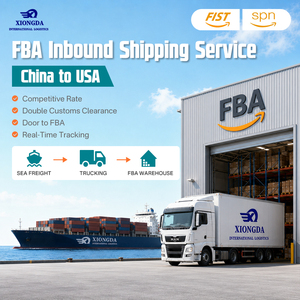
Consumer goods inbound from Asian manufacturing centers destined for Amazon Fulfillment Centers (e.g., FBA Ichikawa HND3, FBA Sakai KIX1) demand rapid LCL/FCL deconsolidation. Our bonded facilities in Osaka and Tokyo offer automated sorting, Japanese labeling (Quality Labeling Law compliance), palletization to Japanese standard T11 pallets (1,100mm × 1,100mm), and strict scheduled slot delivery avoiding carrier demurrage penalties.
Comparative analysis of operational metrics, average clearance times, and container equipment specifications.
| Port Gateway | Primary Industrial Focus | Typical DDP/DDU Lead Time | Supported Equipment Types | NACCS Customs Clearance Efficiency |
|---|---|---|---|---|
| Tokyo Port (Ohi / Shinagawa) | Consumer Electronics, Retail, Apparel | 12 – 24 Hours post-discharge | 20GP, 40HC Dry Cargo, LCL Consolidations | Fast-track pre-clearance (Immediate Release) |
| Yokohama Port (Honmoku / Minami-Honmoku) | Automotive, Industrial Chemical, Machinery | 18 – 36 Hours post-discharge | Flat Rack, Open Top, Reefer, ISO Tank | Standard Inspection Protocols (AEO Verified) |
| Nagoya Port (Tobishima Terminal) | Automotive Components, Heavy Equipment | 24 – 36 Hours post-discharge | Heavy Lift Flat Racks (DNV Certified), Ro-Ro | Direct Factory Transfer Bonded Approval |
| Kobe / Osaka Port (Hanshin Gateway) | Biotech, Electronics, General Freight | 12 – 28 Hours post-discharge | 20ft/40ft Dry Standard, LCL Palletized | High-throughput EDI Automated Processing |
Strategic transformations impacting international suppliers, Japanese port authorities, and cross-border freight operations.
With the implementation of strict overtime caps on commercial truck drivers in Japan (the "2024 Problem" / 2024年問題 under the Work Style Reform Law), drayage capacity from ports to inland factories has faced severe constraints. To mitigate driver hour limitations, port handling operations have shifted heavily toward batch drayage, night-time gate ops, and sea-to-rail intermodal freight transfers.
The Japanese Ministry of Land, Infrastructure, Transport and Tourism (MLIT) is driving the adoption of "Cyber Port"—a unified digital platform connecting ocean carriers, terminal operators, customs brokers, and shippers. Paperless Bills of Lading (e-B/L), automated container gate approvals, and electronic delivery orders (e-DO) are now mandatory benchmarks for tier-1 suppliers into Japan.
Major Japanese terminals are aggressively transitioning toward Carbon Neutral Ports. Japanese buyers prioritize logistics partners who deploy eco-friendly ISO containers, electrified terminal tractors, and LNG/Hydrogen powered drayage trucks. Sustainable supply chain transparency is increasingly required in corporate ESG disclosures for Nikkei-listed importers.
Combining decades of international freight expertise, institutional licensing, and global network infrastructure to streamline Japan-bound trade.
Licensed as a Non-Vessel Operating Common Carrier (NVOCC) and Ocean Freight Forwarder under Federal Maritime Commission (FMC License #4159N/F) with U.S. Customs ISA Certification (#GL0110004). Fully compliant with international maritime safety codes.
Holding Dangerous Goods Operation Certificate (#A03043) and FAA-affiliated memberships, enabling seamless hazmat ocean shipping, battery freight compliance, and hazardous port storage coordination in Japanese chemical handling docks.
Pioneers of 4th Generation Logistics (4GL) infrastructure, integrating specialized vehicle logistics, bonded warehouse management systems (WMS), and recognized official logistics provider status for KOTRA and major international retail networks.
Technical answers to common queries regarding customs duties, demurrage free-time, equipment standards, and terminal procedures in Japan.
A: Standard import customs filing into Japan's NACCS system requires a Commercial Invoice, Packing List, Ocean Bill of Lading (B/L) or Sea Waybill, and an accurate 9-digit Japanese HS Code determination. For specialized machinery, factory equipment, or electrical goods, compliance under the Japanese Electrical Appliance and Material Safety Law (PSE Law) or Industrial Safety and Health Act documentation may be required prior to customs clearance.
A: Standard free time at main Japanese container terminals (Tokyo, Yokohama, Nagoya, Kobe) typically ranges between 5 to 7 calendar days for Dry Standard containers and 3 days for Reefer / Hazardous units. Once free time expires, daily demurrage penalties escalate rapidly. Our team mitigates this by filing pre-arrival customs declarations and scheduling immediate drayage pick-up within 24 hours of vessel discharge.
A: While ISO standard pallets (1,200mm × 1,000mm) are accepted, the predominant standard across Japanese domestic warehouses, trucks, and fulfillment centers is the JIS T11 pallet (1,100mm × 1,100mm × 144mm). We provide cargo re-palletization at our port CFS facilities to ensure seamless integration into Japanese Automated Storage and Retrieval Systems (ASRS).
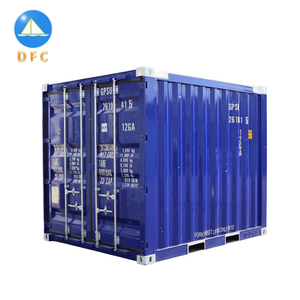
A: Yes. Utilizing our DNV-certified 10ft, 20ft, and 40ft Offshore Flat Rack shipping containers, we handle out-of-gauge (OOG) machinery, heavy industrial presses, and aerospace equipment. We coordinate special quay crane tandem lifts, obtain route permits from municipal road authorities (国土交通省道路局) for heavy drayage, and provide escort vehicles across Japan.
A: Under DDP (Delivered Duty Paid), the exporter/supplier assumes full responsibility for paying Japanese Customs Duty and Japanese Consumption Tax (JCT - currently 10%). Under DDU (Delivered Duty Unpaid), the buyer in Japan pays duty and JCT upon import clearance. We offer complete tax-representative services to support foreign factories selling on DDP terms to Japanese enterprise clients.
A: Driver hourly caps mean long-distance drayage (e.g., from Tokyo Port to Sendai, or Osaka Port to Hiroshima) takes longer and incurs higher fees if not planned correctly. We solve this by utilizing regional feeder ports (such as Shimizu, Yokkaichi, or Hakata) or executing coastal shipping transfers (Roro/Domestic Barge) to minimize long-distance road trucking costs.
Connect with our technical logistics engineering team for customized sea freight rates, terminal handling solutions, and tailored DDP/FCL catalog specifications.
Get Catalog