
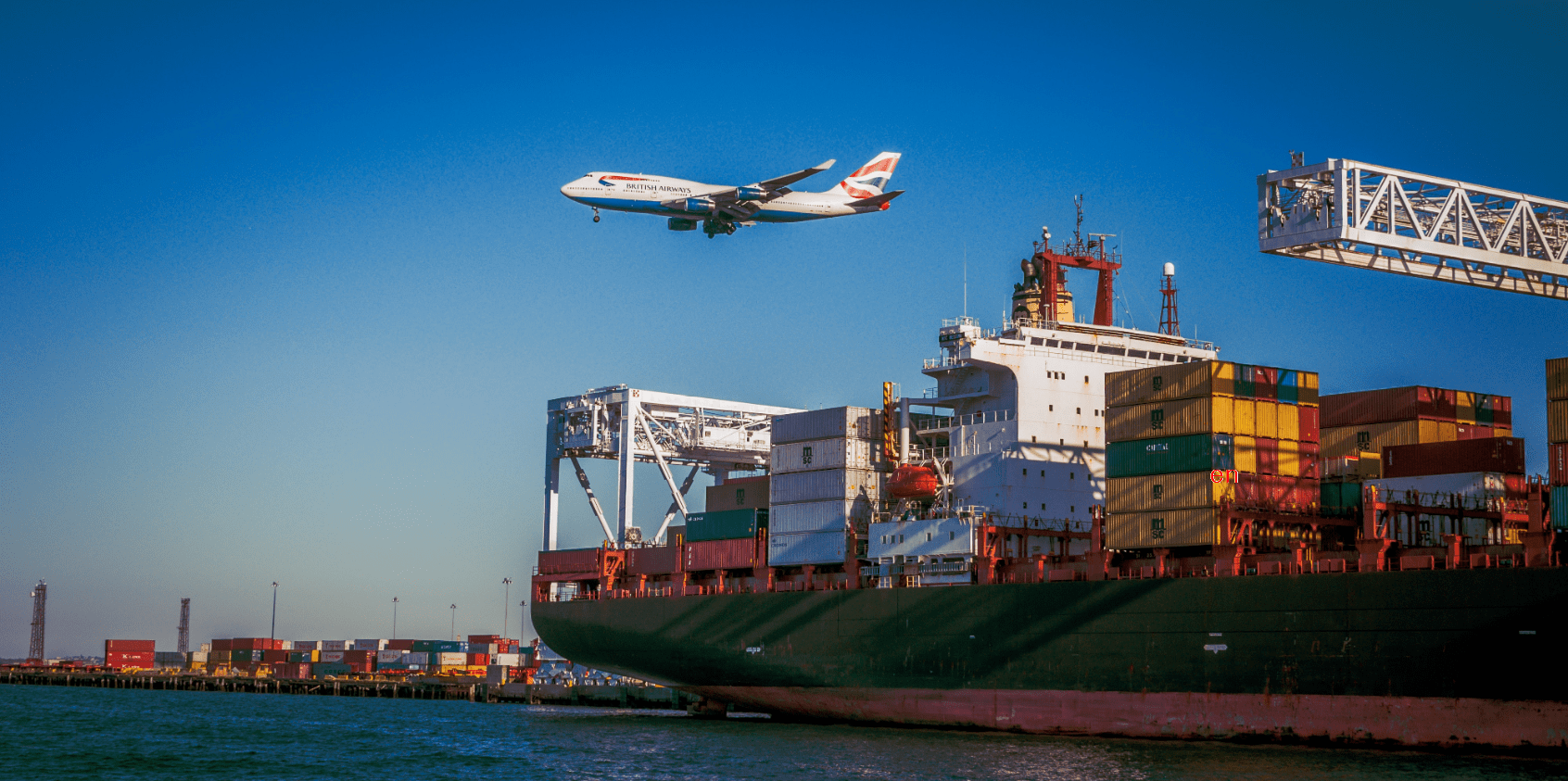
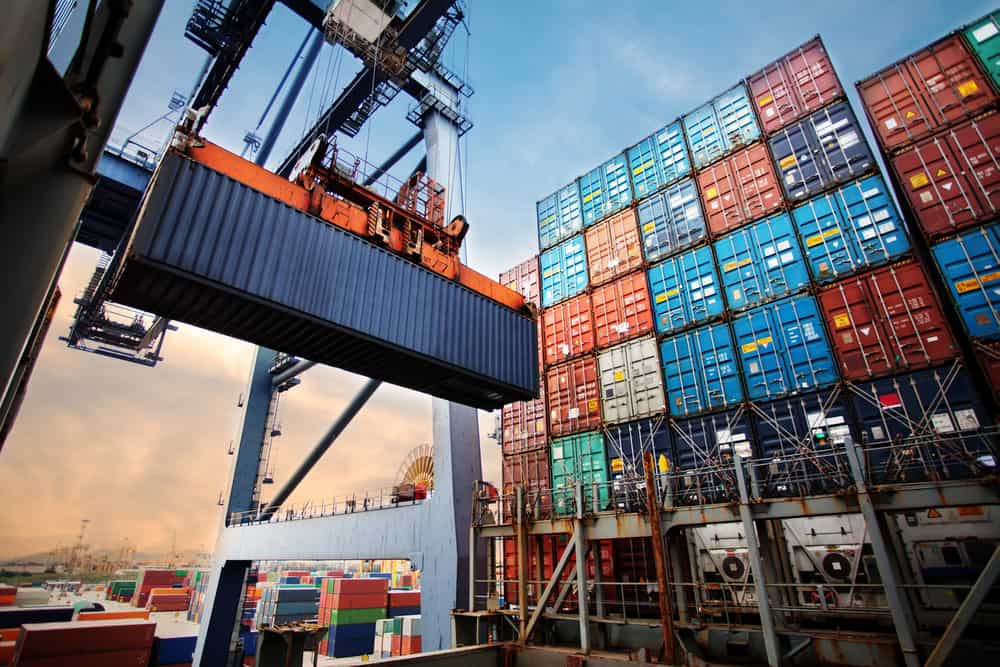
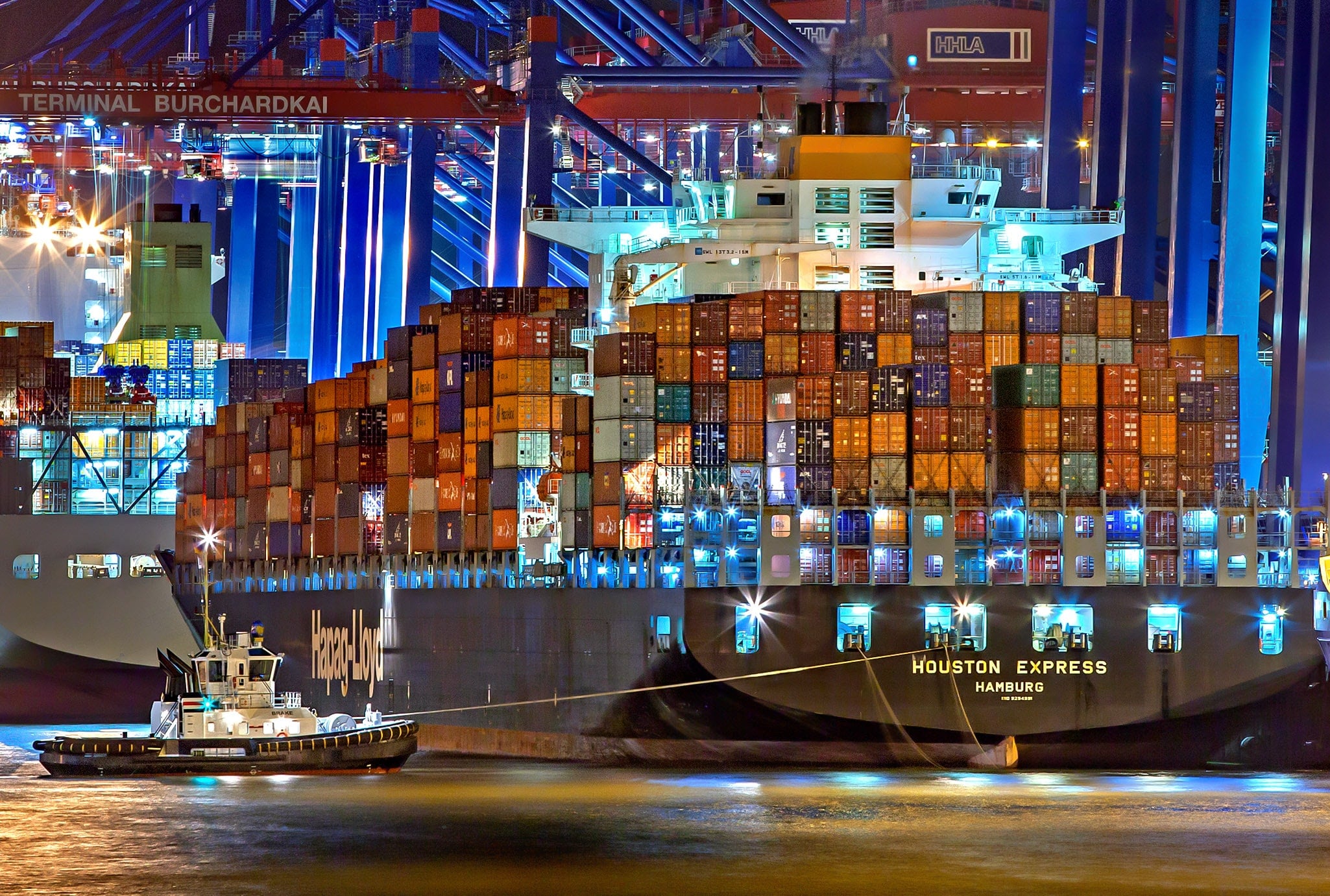
Factory-direct thermal storage units, ISO reefer containers, and specialized international cold-chain freight forwarding to Philippine ports.
Precision temperature-monitored LCL consolidation services from global manufacturing hubs to Manila, Cebu, and Davao ports.

Rapid door-to-door express thermal logistics for urgent biopharmaceutical products and sensitive electronic components.
Dedicated 20ft and 40ft high-cube reefer containers featuring multi-zone climate control (-30°C to +30°C range).
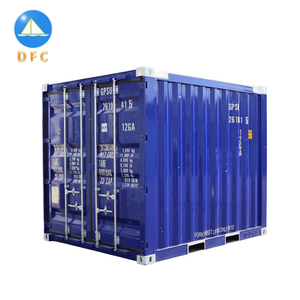
Industrial-grade DNV 2.7-1 offshore temperature-insulated storage containers for extreme marine environments and remote installations.

Heavy insulation panels with dynamic humidity regulators designed to prevent thermal spikes during extended island shipping.
Bonded cold-storage fulfillment solutions equipped with continuous WMS tracking and automated temperature excursion alarms.
Intermodal refrigerated containers designed for seamless transfer between marine vessels, rail transport, and heavy-duty trucks.
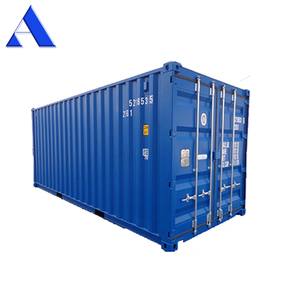
Direct factory-manufactured ISO thermal storage units engineered with high-density polyurethane insulation for tropical climates.
Operating temperature-sensitive storage solutions within the Republic of the Philippines demands sophisticated engineering tailored to severe tropical marine environments. Characterized by high ambient relative humidity (often exceeding 85% RH) and persistent elevated ambient temperatures (32°C to 38°C), standard dry container conversions fail due to condensation buildup, thermal bridging, and severe insulation degradation. As a premier global manufacturer and logistics integration specialist serving Luzon, Visayas, and Mindanao, our factory-engineered temperature-sensitive storage pods and reefer systems are structurally reinforced to neutralize tropical thermal loads.
The physics of heat transfer in maritime equatorial zones requires an uncompromising approach to thermal conductivity ($K$-factor) and overall heat transfer coefficients ($U$-value). Our thermal containment units utilize high-density polyurethane (PU) foam insulation (42 kg/m³) pressure-injected between structural corrugated steel outer walls and food-grade stainless steel (SS304/SS316) interior liners. This closed-cell insulation Matrix yields an exceptional thermal resistance (R-value exceeding R-30), guaranteeing that internal climates remain stable even when exposed to direct tropical solar radiation at port terminals such as Manila South Harbor, Subic Bay Freeport, or Davao International Container Terminal.
Technical Insight: Tropical cold storage failure in Southeast Asia is predominantly driven by moisture ingress rather than mechanical cooling failure. Our containers integrate multi-lip synthetic EPDM gasket seals with integrated thermal breaks, preventing moisture vapor transmission and eliminating internal frost accumulation during high-frequency door openings.
Furthermore, island-hopping supply chains across the 7,600+ islands of the Philippines introduce extended transit delays, voltage fluctuations, and rough inter-island sea voyages. Our factory constructs specialized heavy-duty skid mounts, corrosion-resistant anti-corrosive marine paint coatings (C5-M standard), and dual-power redundant refrigeration units (Diesel/Electric hybrid generators) that seamlessly transition between shore power, vessel power, and localized island micro-grids without a fraction of a degree in temperature excursion.
Engineered to exceed strict International Safe Transit Association (ISTA) and FDA Ph-compliance standards.
Integrates ultra-thin Vacuum Insulation Panels alongside polyurethane cores to maximize internal storage volume while achieving ultra-low thermal transmittance.
Embedded 5G/GPS sensors provide real-time thermal mapping, humidity tracking, door-open telemetry, and instant cloud alarms directly to mobile monitoring consoles.
Equipped with backup clip-on diesel generators and automatic transfer switches (ATS) to combat brownouts and unstable regional grids in provincial areas.
The diversification of the Philippine economy has triggered a surge in demand for specialized temperature-controlled environments. Our factory-manufactured cold storage solutions cater directly to three high-growth industry verticals across the major Philippine economic zones:
In compliance with the Philippine Food and Drug Administration (FDA) Annex 16 guidelines for Good Distribution Practice (GDP) of medicinal products, our modular cold storage pods are deployed at major pharma distribution centers in Metro Manila (Pasig, Taguig, Paranaque) and regional hubs in Cebu and Davao. Featuring dual-redundant scroll compressors, continuous multi-point NIST-traceable temperature logging, and HEPA-filtered cleanroom vestibules, these units safeguard temperature-sensitive biologicals, vaccines, insulin, and diagnostic reagents against thermal excursions during local distribution.
The Philippines is a premier global exporter of fresh yellowfin tuna (General Santos City), Cavendish bananas, and fresh mangoes (Davao and Bukidnon). Maintaining post-harvest quality requires immediate field pre-cooling and controlled atmosphere (CA) storage. Our factory manufactures mobile 20ft and 40ft Controlled Atmosphere Storage Reefers that regulate Oxygen ($O_2$), Carbon Dioxide ($CO_2$), and ethylene levels alongside temperature. This slows down respiration rates, extending product shelf-life during extended ocean shipping routes to North America, Europe, and East Asia.
Electronic manufacturing services (EMS) in economic zones such as Clark Freeport Zone, Laguna, and Cavite require tightly controlled ambient environments (typically 20°C to 24°C with relative humidity controlled under 45% RH) to prevent moisture-induced damage to silicon wafers, raw PCBs, and specialized chemical resins. Our modular cleanroom-grade storage containers provide humidity-controlled buffer storage immediately adjacent to assembly lines.
Technical comparison between factory-manufactured cold storage containers and standard market conversions.
| Engineering Metric | Factory-Engineered Thermal Storage | Standard Reefer Containers | Converted Dry Containers |
|---|---|---|---|
| Insulation Material | High-Density PU Foam + Vacuum Panels | Standard Polyurethane (35 kg/m³) | Glasswool / EPS Board (Prone to Rot) |
| Thermal Transmittance (U-Value) | ≤ 0.18 W/m²K (Ultra High Efficiency) | ≈ 0.28 W/m²K | ≥ 0.65 W/m²K (Poor Isolation) |
| Temperature Precision | ±0.1°C Digital Microprocessor Control | ±0.5°C Standard Controller | ±2.0°C Unstable Hysteresis |
| Humidity Control Range | Active Dehumidification (35% - 85% RH) | Passive Drain Only | No Control (High Condensation Risk) |
| Certifications | ISO 9001, DNV 2.7-1, FDA-Ph GDP Compliant | Basic ISO Shipping Standard | None |
| Corrosion Protection | Zinc-Rich Primer + Marine C5-M Epoxy Paint | Standard C3 Marine Coating | Basic Commercial Paint |
Driven by the passage of the Philippine Cold Chain Industry Roadmap and supported by the Cold Chain Association of the Philippines (CCAP), the national cold chain storage capacity is expanding at a Compound Annual Growth Rate (CAGR) exceeding 8.5%. Strategic investments are shifting away from centralized, energy-intensive mega-warehouses toward decentralized, modular cold storage networks positioned near major logistics arteries like the Subic-Clark-Tarlac Expressway (SCTX), the Southern Tagalog Arterial Road (STAR Tollway), and key port hubs in Visayas and Mindanao.
Key macroeconomic and technical trends shaping procurement include:
Decades of proven enterprise leadership, international certifications, and global cold-chain infrastructure.
Over 29 years of uninterrupted global freight forwarding, customs clearance, and cold storage container deployment authority.
Federal Maritime Commission (FMC #4159N/F) NVOCC licensing and FAA-certified dangerous goods handling capabilities.
Advanced 4th Generation Logistics integration with proprietary real-time Warehouse Management System (WMS) thermal monitoring.
Full customs clearance, tax/duty payment processing, and last-mile trucking to any industrial park across the Philippines.
Addressing technical, regulatory, and logistics queries for Philippine enterprise buyers.
Our units feature high thermal mass insulation cores and optional integrated phase-change materials (PCM) alongside clip-on diesel generator sets (gensets). This allows the unit to maintain target temperatures for up to 72 hours without external grid power during customs inspection holds at Manila North/South Harbor.
All factory units destined for the Philippines are custom-wired to accept 220V/440V, 3-Phase, 60Hz power configurations standard in Philippine industrial facilities. Dual-voltage transformers are included for seamless switching between marine vessel power (440V 60Hz) and facility power.
Yes. Through our comprehensive DDP (Delivered Duty Paid) service, G&B International manages all Bureau of Customs (BOC) documentation, Import Clearance Certificates (ICC), and FDA-Ph compliance notifications, delivering fully cleared equipment directly to your site.
Our standard reefer and cold storage pods operate across a continuous spectrum from -30°C to +30°C. We also manufacture ultra-low deep freeze units capable of maintaining -60°C to -80°C for specialized biological storage and high-grade tuna processing.
Absolutely. Our DNV 2.7-1 certified offshore containers undergo rigorous pad-eye load testing, drop tests, and atmospheric salt-spray testing, making them fully rated for open-deck marine transport between Philippine island groups and offshore installations.
Standard ISO thermal containers are available from stock for immediate ocean shipment (7–10 days transit time from regional manufacturing hubs). Fully customized modular cold storage units requiring specialized dimensions or dual refrigeration systems typically carry a manufacturing lead time of 3 to 4 weeks.
Consult with our cold chain engineering team to design, manufacture, and transport tailored temperature-sensitive storage solutions directly to your facility in the Philippines.
Get a Quote