
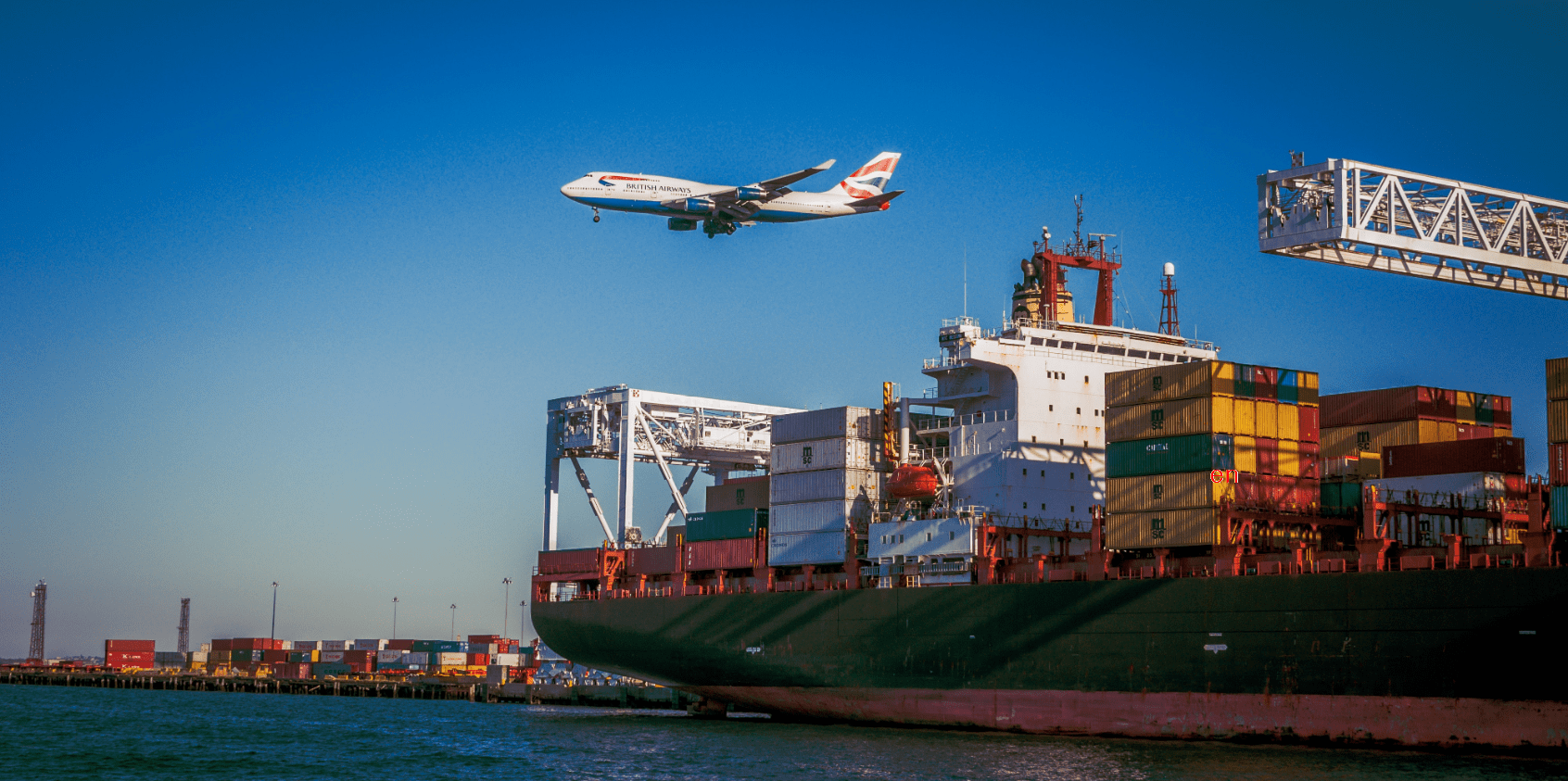
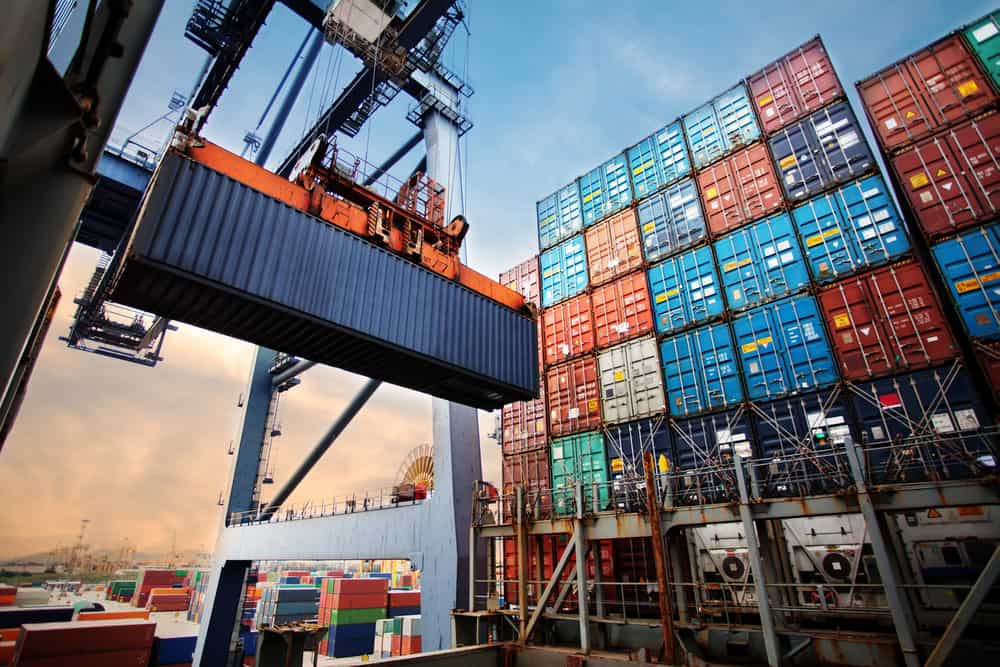
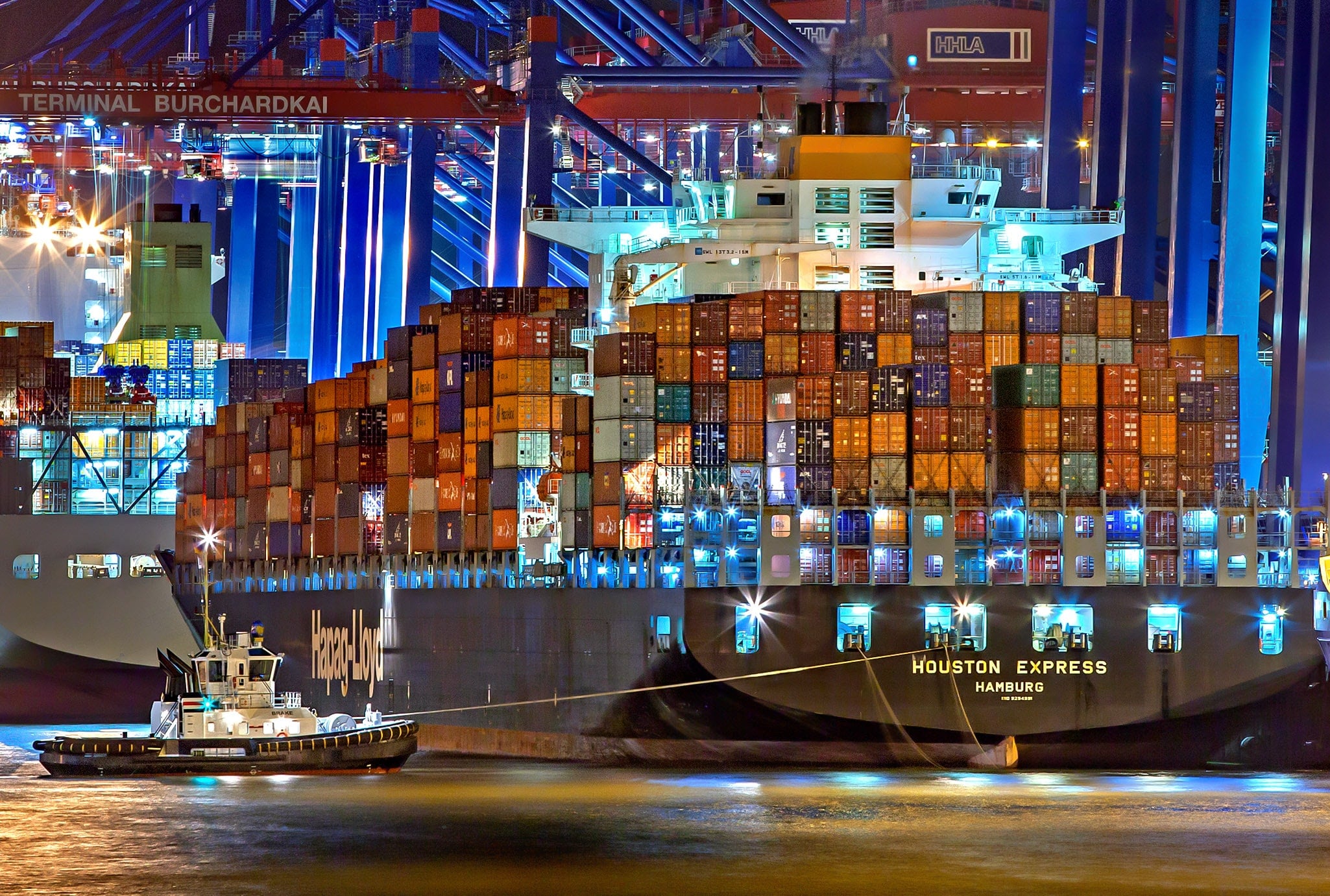
Engineered for out-of-gauge (OOG) machinery, heavy industrial components, and trans-Pacific breakbulk transport routed through the Seattle and Tacoma maritime gateways.
Understanding the mechanical, structural, and regulatory frameworks governing heavy project cargo in the Puget Sound maritime gateway.
The Northwest Seaport Alliance (NWSA)—unifying the Ports of Seattle and Tacoma—features deepwater berths exceeding 50 feet (15.2m) draft. Terminals such as Terminal 5 and Terminal 18 in Seattle, along with the Blair and Sitcum Waterways in Tacoma, offer heavy-lift dockside crane capacities capable of handling tandem lifts exceeding 300 metric tons directly onto specialized multi-axle drayage trailers.
Moving heavy industrial machinery out of the Seattle basin requires navigating stringent elevation and weight parameters. Major heavy-haul corridors include Interstate 5 (North-South arterial), Interstate 90 Eastbound across Snoqualmie Pass, and US Route 2. Superload movements require meticulous bridge axle-stress calculations certified by Washington State DOT structural engineers.
Seattle represents the closest primary U.S. West Coast port to East Asian industrial epicenters (Tokyo, Shanghai, Busan). transit times are 2 to 3 days shorter compared to Southern California ports. This geographical advantage makes Seattle the premier staging hub for imported power generation skids, heavy industrial presses, and marine propulsion systems destined for the U.S. Pacific Northwest and Inland Empire.
A rigorous comparative review of the top heavy haul contractors, breakbulk freight forwarders, and equipment suppliers operating within the Washington state market.
Comparing operational metrics across ocean freight, breakbulk, air charter, and ground heavy haul transport modes.
| Logistics Mode | Max Unit Payload | Primary Seattle Gateway | Key Regulatory Certification | Optimal Industrial Application |
|---|---|---|---|---|
| Breakbulk Ocean Cargo | 500+ Metric Tons | NWSA Terminal 5 / Terminal 18 | FMC NVOCC / IMO Grain & Code | Turbines, Generators, Heavy Vessels |
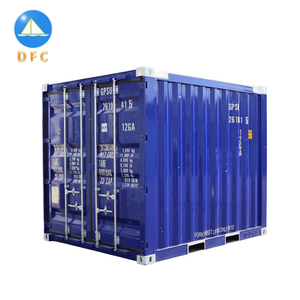
| Special Container (Flat Rack) | 45 Metric Tons | Port of Seattle Container Terminals | ISO 1496 / CSC Plate Certified | Out-of-Gauge (OOG) Industrial Presses |
| Heavy Air Charter | 120 Metric Tons | Seattle-Tacoma Int'l Airport (SEA) | FAA Charter / IATA D/G Cert | Aerospace Tooling & Emergency Spares |
| SPMT Ground Transport | 300+ Tons (Multi-Axle) | I-5 / I-90 / SR-509 Corridors | WSDOT Class A Superload Permit | Bridge Girders & Transformer Skids |
| Heavy Rail Intermodal | 150 Metric Tons | BNSF / UP Seattle Yards | AAR Heavy Axle Load (HAL) | Transcontinental Heavy Machinery Moves |
Examining real-world project freight execution within the Puget Sound regional industrial ecosystem.
Seattle's aerospace supply chain requires precision transport of giant autoclave pressure vessels, wing-jig tooling, and titanium fuselage forgings. Transporting these massive items from NWSA ocean docks to facilities in Everett or Renton demands specialized low-bed trailers, night-time highway closures, and continuous WSDOT pilot escort management.
Pacific Northwest wind farms in Central and Eastern Washington depend on Seattle ports as receiving entryways for 80-meter turbine blades, heavy nacelles, and step-up transformers. Over-the-pass transit via I-90 requires rigorous turning-radius simulation and bridge deck weight distribution modeling to overcome Cascade mountain topography.
Puget Sound Naval Shipyard and commercial shipyards along the Duwamish Waterway frequently import massive diesel propulsion engines, stern thrusters, and subsea winches. G&B International coordinates ship-to-barge direct transfers, allowing heavy marine hardware to bypass congested highway corridors completely via waterborne delivery.
The explosion of hyperscale computing facilities in Quincy and Moses Lake has created urgent demand for importing massive utility-grade diesel generators and modular power distribution units. Project forwarders utilize specialized flat-rack containers for ocean transit, followed by immediate heavy drayage across the Columbia River basin.
Key technological and environmental transformations impacting Pacific Northwest project cargo procurement.
The Northwest Seaport Alliance has enacted aggressive decarbonization policies aiming for zero-emission harbor drayage by 2050. Heavy lift operators in Seattle are transitioning heavy-haul terminal dray fleets toward hydrogen-fuel-cell and battery-electric heavy tractors, impacting carrier equipment selection for short-haul port drayage.
Replacing manual tape-measure route surveys, top Seattle freight engineers now utilize vehicle-mounted LiDAR scanning. This technology builds 3D digital twin models of mountain passes (such as Snoqualmie I-90) to detect overhead sign clearances, utility line sags, and tight curve geometry before superload dispatch.
To preserve aging bridge infrastructure along state highways, WSDOT has implemented stricter gross axle weight distribution rules. Heavy lift movers must deploy specialized multi-axle dollies (up to 13 or 19 axles) to spread heavy payloads, elevating the importance of specialized transport engineering partners.
Founded in 1995, G & B International, Inc. (Green & Blue Group) delivers unmatched authority, regulatory compliance, and infrastructure across North American trans-Pacific corridors.
G&B holds Federal Maritime Commission (FMC) NVOCC License #4159N/F and U.S. Customs ISA Certificate #GL0110004. Our 30-year operational tenure guarantees seamless port-of-entry compliance at Seattle and Tacoma terminals.
Equipped with Dangerous Goods (D/G) Operation Certificate #A03043 and official FAA cargo membership, G&B handles volatile industrial components, lithium power skids, and pressurized heavy hardware under strict regulatory control.
Pioneering 4th Generation Logistics (4GL) vehicle and heavy equipment tracking systems. Contracted logistics provider for KOTRA (Korea Trade-Investment Promotion Agency) and major retail buyers such as SAM'S Club.
Answers to critical regulatory, logistical, and technical questions asked by project engineers and supply chain directors in Washington state.
In Washington State, a vehicle combination is classified as a Superload when gross vehicle weight exceeds 200,000 lbs (90.7 metric tons), total width exceeds 16 feet, or overall height exceeds 16 feet. Superloads require a mandatory engineering review by WSDOT, individual bridge structural analysis, pilot escort vehicles (certified by Washington State Patrol), and designated night-only movement windows along highways such as I-5 and I-90.
OOG containers (Flat Racks and Open Tops) are discharged using standard terminal quay gantry cranes directly onto specialized chassis or multi-axle drayage trailers at Terminal 5 or Terminal 18. Pure Breakbulk cargo exceeding container dimensions is discharged via heavy-lift ship's gear or floating derrick cranes directly onto deck barges or multi-axle SPMT trailers staged on the pier, bypassing container yards entirely.
Key requirements include the ISF 10+2 (Importer Security Filing) submitted at least 24 hours prior to foreign vessel departure, a detailed packing list specifying lifting points and center of gravity (CG), Bill of Lading (NVOCC or Master), EPA Engine Compliance filings (if machinery contains internal combustion engines), and CBP Form 7501 Customs Entry executed by a licensed Customs Broker such as G&B International Logistics.
Marine cargo insurance for heavy lift freight is evaluated based on CIF value (Cost, Insurance, Freight) plus 10%, factoring in structural complexity, vulnerability to saltwater corrosion, and method of stowage (under-deck vs. on-deck). G&B International provides comprehensive All-Risk Marine Insurance, including specialized heavy rigging and lashing clauses covering loading, ocean transit, and final site positioning.
Between November and April, WSDOT enforces strict traction advisory levels and chain mandates on Snoqualmie Pass (I-90, elevation 3,022 ft). Superloads and oversized heavy haul combinations are frequently restricted or suspended during severe snowstorms, high wind alerts, or freezing conditions. G&B International incorporates weather-contingency buffer windows and alternate low-elevation routing strategies during winter operations.