Logistics Insights & News — G&B International Logistics

Logistics & Supply Chain Blog

Stay current with expert perspectives on global freight forwarding, ocean & air cargo trends, and US customs strategies.

Explore Services
Global logistics management — G&B International Logistics

Global Trade Trends

In-depth analysis of warehousing solutions, e-commerce order fulfillment, and intermodal transport optimizations.

Learn More
Ocean cargo shipping — G&B International Logistics

Customs Clearance Updates

Essential guides on compliance, US CBP regulations, and efficient ocean/air import-export operations.

Get Started

Top 10 Ocean Import Forwarding Manufacturers & Exporters for Kazakhstan

Strategic Multimodal Sea-Rail Logistics, Trans-Caspian Corridor Integration & EAEU Customs Whitepaper

Verified Ocean & Multimodal Freight Solutions

Enterprise-grade shipping equipment and international import forwarding services engineered for Central Asian multimodal corridors.
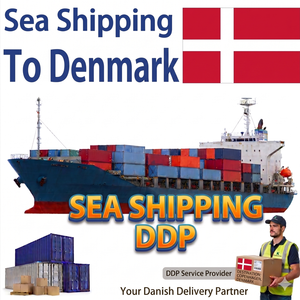
DDP DDU LCL Container Cargo Logistics Service
DDP DDU LCL Container Cargo Sea Shipping Logistics Service Freight Forwarder
Comprehensive less-than-container load (LCL) consolidation with end-to-end DDP/DDU customs handling across landlocked transit routes.
Send an Inquiry
Cheapest Air Sea DDP LCL International Logistics Service
Cheapest Air Sea DDP LCL International Logistics Service Top Forwarder Agent
Optimized multimodal air-sea express forwarding offering cost-competitive tariff structures for urgency-critical commercial cargo.
Send an Inquiry
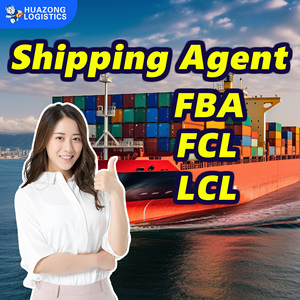
Sea Freight Shipping Agent DDP Shipping FCL Container
Sea Freight Shipping Agent DDP Shipping FCL Full Container Logistics
Full Container Load (FCL) import routing combining ocean transit with intermodal rail dispatch straight to destination hubs.
Send an Inquiry
DNV Certified Flat Rack Shipping Container
High Quality DNV Certified 10ft 20ft 40ft Offshore Flat Rack Shipping Container
Heavy-duty DNV certified flat rack units tailored for out-of-gauge industrial machinery, oilfield gear, and infrastructure projects.
Send an Inquiry
Professional Sea Shipping Agent FCL Logistics Services
Professional Sea Shipping Agent FCL Logistics Services Worldwide
Global NVOCC vessel space guarantees, contracted carrier rates, and real-time container tracking for multi-origin import flows.
Send an Inquiry
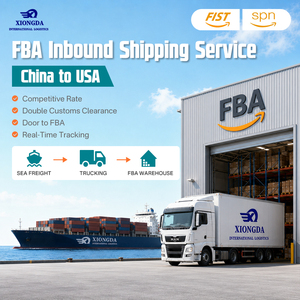
Reliable Logistics Services Freight Forwarder Sea Shipping
Cheap And Reliable Logistics Services Freight Forwarder Sea Shipping Agent
Scalable order-fulfillment and inbound warehouse logistics customized for enterprise supply chain visibility and risk reduction.
Send an Inquiry
AEO Certified Freight Forwarder Rail Transport FCL
AEO Certified Freight Forwarder Rail Transport 20GP Full Container Sea Service
AEO-compliant expedited customs clearance and direct sea-rail container dispatch for seamless border transit operations.
Send an Inquiry
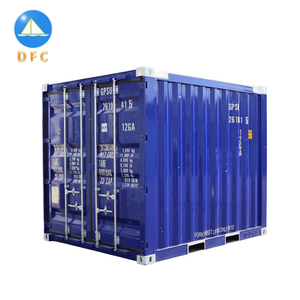
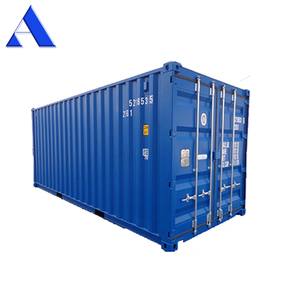
ISO Standard Dry Cargo 20ft Shipping Container
Brand NEW Stock ISO Standard Sea Transportation Empty 20ft Shipping Container
CSC-certified 20ft dry freight containers available for purchase or SOC transport across remote Eurasian intermodal rail networks.
Send an Inquiry

Localized Application Scenarios in Kazakhstan

Architecting robust multimodal corridors for landlocked Eurasian imports across heavy industry, energy, retail, and technology sectors.

Heavy Industrial Machinery & Mining Logistics

Kazakhstan’s mineral extraction hubs in Karaganda and East Kazakhstan require oversized equipment. Utilizing DNV-certified flat racks and Shipper-Owned Containers (SOC), ocean freight arrives at coastal gateways (such as Lianyungang or Poti) and transitions seamlessly onto heavy-haul broad-gauge rail (1520mm) to reach mine sites without demurrage penalties.

FMCG & Retail Goods via Khorgos Dry Port

High-volume consumer goods destined for Almaty and Astana leverage containerized sea-rail intermodal routing. Cargo originates from global manufacturing centers, ocean-ships to East Asian ports, and traverses the Khorgos Eastern Gate Dry Port, benefiting from automated transshipment crane platforms and rapid Customs Union declaration clearance.

Hazardous Industrial Chemicals & Petrochemical Support

Servicing the Caspian Basin’s Tengiz and Kashagan oilfields requires strictly compliant logistics. Backed by D/G Operation Certificates (#A03043) and FAA affiliations, sensitive chemicals and industrial reagents undergo specialized multi-modal handling with temperature-controlled marine and rail reefer units.

29+
Years Industry Expertise
1,520mm
Broad Gauge Rail Native
100%
EAEU Customs Compliance
4GL
Smart Tracking Integration

Strategic Ocean Import Forwarding to Kazakhstan: 2026 Logistics Outlook

As the world’s largest landlocked country, Kazakhstan occupies a critical geopolitical position at the crossroads of Eurasia. While the nation lacks direct access to the world’s oceans, modern international trade relies heavily on ocean import forwarding via multimodal sea-rail and sea-road transport networks. Importers and global exporters serving Almaty, Astana, Shymkent, and Atyrau must navigate complex logistics geometries that connect maritime shipping lanes with inland transshipment corridors.

This whitepaper evaluates the primary ocean import routes, regulatory frameworks under the Eurasian Economic Union (EAEU), equipment selection strategies, and enterprise forwarder evaluation metrics necessary to achieve supply chain resilience in Kazakhstan.

1. Key Maritime Corridors & Inland Entry Points

To import cargo into Kazakhstan via ocean freight, freight forwarders utilize three main transshipment corridors:

  • The Eastern Corridor (China Ports to Khorgos/Dostyk): Cargo moves via ocean vessels to major East Asian gateways (Lianyungang, Qingdao, Ningbo, Shanghai), transits China’s railway network, and enters Eastern Kazakhstan through the Khorgos Dry Port or Dostyk rail junction. Lianyungang serves as a primary hub where Kazakhstan maintains a dedicated Sino-Kazakh logistics terminal.
  • The Trans-Caspian International Transport Route (TITR / Middle Corridor): Gaining massive strategic momentum, cargo ships across ocean lanes to Poti/Batumi (Georgia), moves by rail to Baku (Azerbaijan), crosses the Caspian Sea via feeder vessels to the Kazakh ports of Aktau or Kuryk, and connects directly to national rail networks (KTZ).
  • The Southern Route via Persian Gulf (Bandar Abbas): Utilized primarily for cargo originating in South Asia and the Middle East, ocean vessels dock at Bandar Abbas (Iran), transferring to rail or road corridors northwards through Turkmenistan to Western and Southern Kazakhstan.
Corridor Route Maritime Gateway Transit Hub / Border Post Avg. Transit Time Best Used For
Eastern Sea-Rail Lianyungang / Qingdao / Ningbo Khorgos (SEZ) / Dostyk 18 - 25 Days FMCG, Electronics, General Cargo
Middle Corridor (TITR) Poti / Batumi (Black Sea) Baku -> Port Aktau / Kuryk 28 - 38 Days European Cargo, Project Machinery
Southern Multimodal Bandar Abbas (Persian Gulf) Sarakhs / Incheh Borun 22 - 32 Days Agri-commodities, Raw Materials

2. EAEU Customs Integration & Local Regulatory Compliance

Importing goods into Kazakhstan requires strict alignment with the Eurasian Economic Union (EAEU) Customs Code. Cargo cleared at Kazakh customs points enters a unified customs zone encompassing Russia, Belarus, Armenia, and Kyrgyzstan. To avoid costly delays at border crossing points such as Khorgos or Aktau, importers must ensure exact alignment between ocean Bills of Lading (B/L) and multimodal Railway Bills (SMGS/CIM).

Key compliance measures include obtaining EAC Certification (Eurasian Conformity), precise HS Code classification, and utilizing Authorized Economic Operator (AEO) status forwarders to bypass bottleneck inspections.

3. Equipment Selection: SOC vs. COC Containers

Due to container imbalance across Central Asia, returning Carrier-Owned Containers (COC) back to maritime shipping lines after inland delivery can result in exorbitant container detention fees. Leading manufacturers and logistics directors frequently deploy Shipper-Owned Containers (SOC) or buy brand-new/used ISO dry containers and flat racks for Kazakhstan imports. SOC units remove return deadline pressures, allowing containers to be repurposed locally for storage or intra-regional Eurasian logistics.

Corporate Credentials & Strategic Logistics Authority

Delivering 29+ years of certified operational capability, global gateway infrastructure, and 4th Generation Logistics integration.

FMC Licensed NVOCC Authority

Holding Federal Maritime Commission License #4159N/F (Washington, D.C.), G&B International operates as a licensed Ocean Freight Forwarder and NVOCC, guaranteeing direct carrier contract rates, space allocations, and master bill issuance.

U.S. Customs ISA & D/G Certified

Equipped with ISA Certificate #GL0110004 and Dangerous Goods Operation Certificate #A03043 with FAA membership. Authorized to manage high-compliance, hazardous, and regulated industrial shipments worldwide.

4GL & Dynamic WMS Systems

Integrated 4th Generation Logistics (4GL) system providing real-time multimodal container tracking, inventory control, and automated documentation flows tailored for complex cross-border trade.

KOTRA Official Logistics Partner

Contracted partner for the Korea Trade-Investment Promotion Agency (KOTRA) and major retail supply chains, operating company-owned bonded distribution hubs in Elk Grove Village, IL, LAX, and JFK.

Frequently Asked Questions: Ocean Import Forwarding to Kazakhstan

Essential guidance for procurement managers, trade directors, and logistics buyers importing into Kazakhstan.

Q: How does ocean import forwarding work for a landlocked nation like Kazakhstan?
Ocean import forwarding to Kazakhstan relies on multimodal sea-rail or sea-road logistics. Cargo is transported via ocean vessels to coastal transshipment ports (such as Lianyungang or Qingdao in China, or Poti in Georgia). At these maritime terminals, containers are transferred to broad-gauge railway cars (1520mm track gauge) or heavy trucks for transit through border entry points like Khorgos or Port Aktau, delivering directly to inland inland dry ports in Almaty or Astana.
Q: What is the difference between DDP and DDU terms when shipping cargo to Almaty or Astana?
Under DDU (Delivered Duty Unpaid), the freight forwarder delivers the cargo to the designated destination in Kazakhstan, but the local buyer remains responsible for paying EAEU import duties, VAT, and completing customs clearance procedures. Under DDP (Delivered Duty Paid), the forwarder handles the entire door-to-door delivery process, including customs clearance, tariff payments, and local tax settlements, presenting a complete hassle-free solution for foreign exporters and Kazakh buyers.
Q: How are severe winter weather conditions managed during Eurasian rail transit?
Winter temperatures in Kazakhstan and steppe transit zones can drop below -30°C. For sensitive cargo (liquid chemicals, electronics, food products), forwarders utilize thermal insulation liners, active diesel-powered reefer containers, or winterized SOC containers equipped with temperature logging systems to protect cargo integrity during long overland transits.
Q: Why is track gauge wheel-set switching or container transshipment required at the Kazakh border?
China and Western Europe use standard railway gauge (1,435 mm), whereas Kazakhstan and CIS countries operate on broad railway gauge (1,520 mm). At border stations like Khorgos and Dostyk, containers are lifted by high-capacity gantry cranes from standard-gauge railcars onto broad-gauge railcars. Experienced forwarders pre-book rail wagon capacity to ensure seamless transshipment within 24 to 48 hours.
Q: What are the primary documentation requirements for importing ocean freight into Kazakhstan?
Key required documents include the Master Sea Bill of Lading (Ocean B/L), Multimodal Rail Waybill (SMGS/CIM), Commercial Invoice, Detailed Packing List, Certificate of Origin (Form A or General), EAC Declaration/Certificate of Conformity, and the Import Customs Declaration registered with Kazakhstan’s State Revenue Committee.
Q: Why is utilizing Shipper-Owned Containers (SOC) advantageous for Kazakhstan ocean imports?
Because Kazakhstan is located deep inland, returning ocean shipping line containers (COC) back to coastal ports within standard free-time periods (usually 14-21 days) is virtually impossible, leading to heavy detention charges. Buying or leasing SOC containers allows importers to transport goods deep into Central Asia without detention clock pressures, after which the container can be sold locally or reused for regional export trade.
Send an Inquiry