
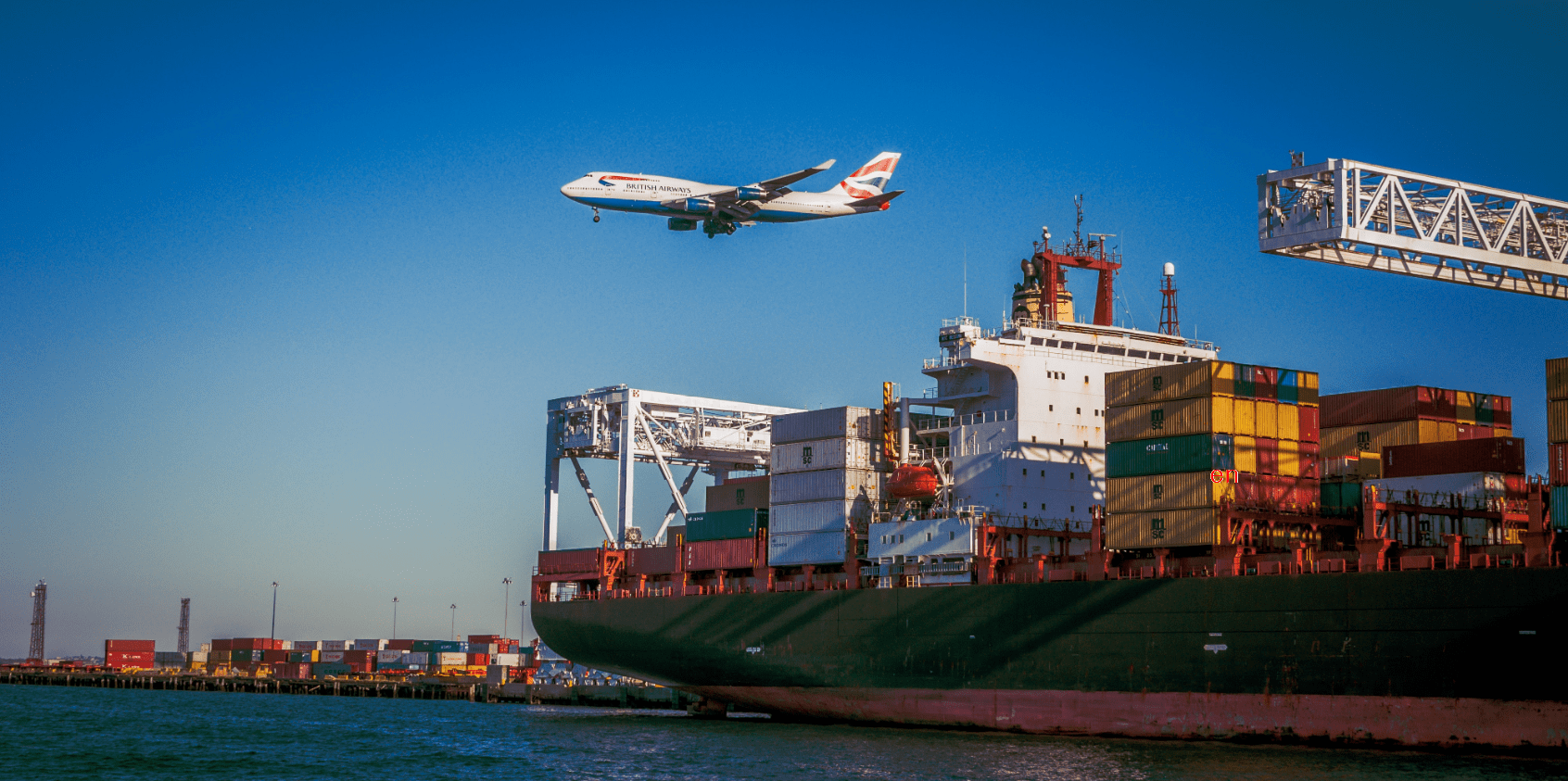
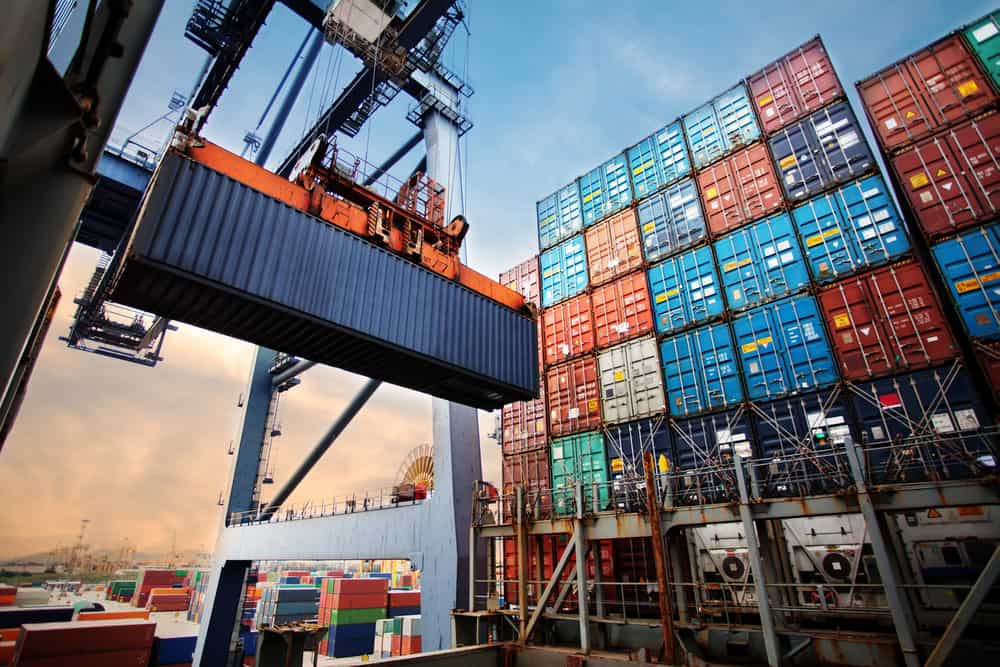
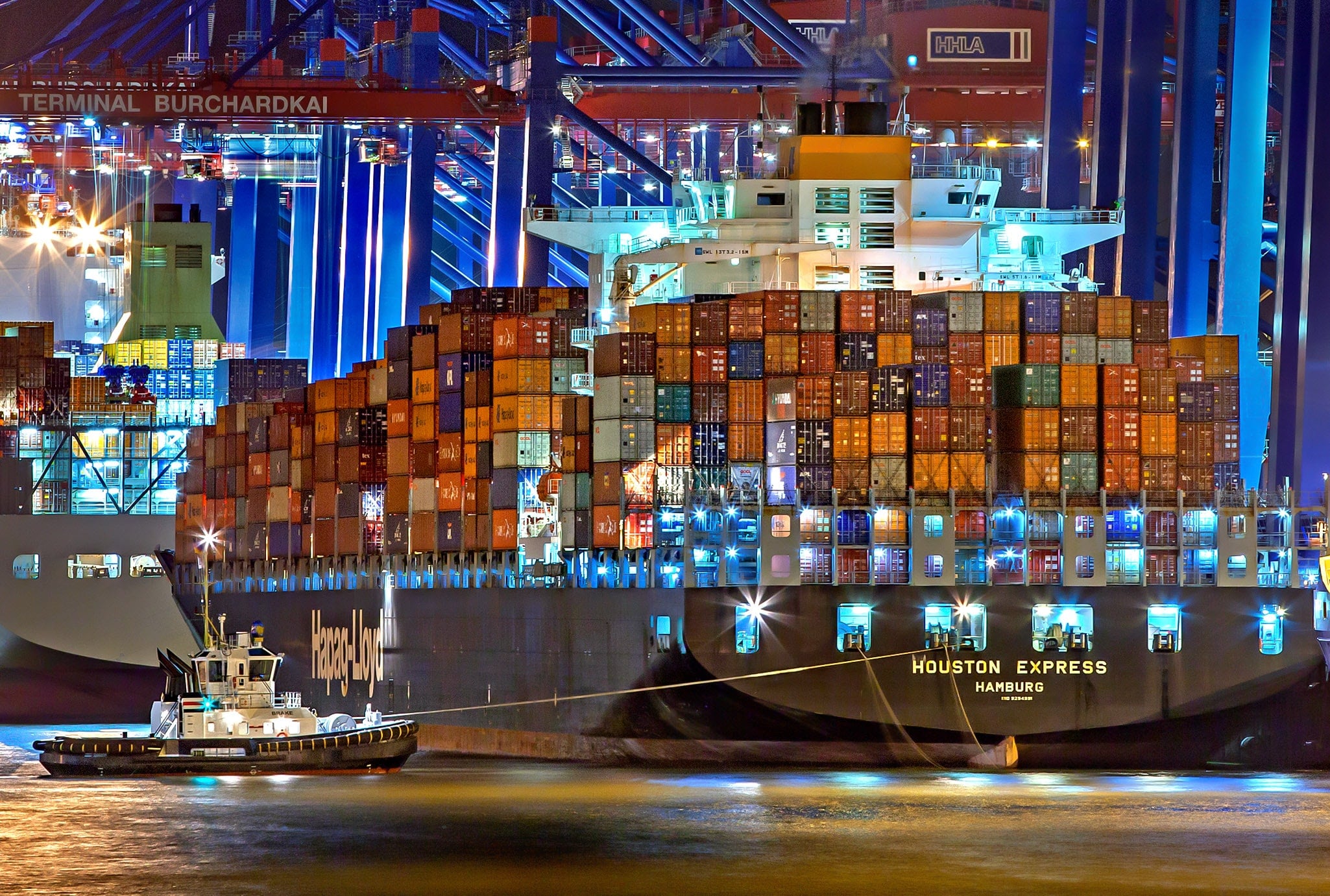
Specialized ocean freight, heavy-lift equipment handling, and door-to-door project logistics connecting major Chinese manufacturing hubs with Belgium and Benelux industrial centers.
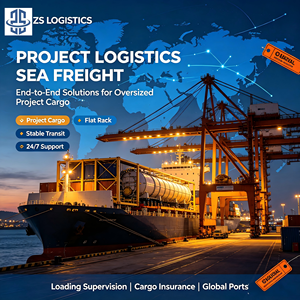
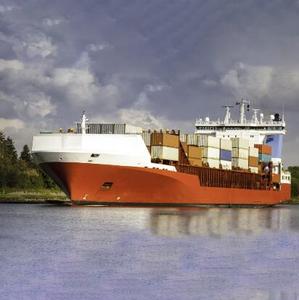
As bilateral trade between China and the European Union continues to evolve toward heavy industrial electrification, renewable energy infrastructure, and advanced mechanical engineering, the demand for non-containerized, heavy-lift, and breakbulk transportation has expanded dramatically. Shipping out-of-gauge (OOG) cargo, extra-heavy machinery, modular steel frame assemblies, and project components from primary Chinese manufacturing clusters—such as Shanghai, Ningbo-舟山, Qingdao, Tianjin, and Shenzhen—to Belgium presents unique structural, legal, and nautical challenges. This technical guide outlines the end-to-end framework necessary for executing seamless breakbulk transport into Belgium’s major maritime hubs, principally the Port of Antwerp-Bruges and the port of Ghent (North Sea Port cluster).
Choosing the correct vessel architecture is the foundation of breakbulk cargo integrity. Unlike standard liner container ships, project cargo moving into Belgium utilizes three major vessel types depending on weight, volume, and discharge constraints:
Navigating the South China Sea, Malacca Strait, and North Atlantic routes exposes breakbulk cargo to dynamic multi-axis forces: pitch, roll, heave, sway, surge, and yaw. Marine engineering teams must calculate structural load distributions to prevent deck plating collapse or cargo displacement during transit.
Lashing schemes must strictly adhere to the International Maritime Organization (IMO) Code of Safe Practice for Cargo Stowage and Securing (CSS Code) Annex 13. High-tensile chain lashings, steel wire ropes with turnbuckles, heavy-duty D-rings welded to ship structure, and kiln-dried hardwood dunnage are applied based on vessel acceleration forces. For sensitive precision machinery, anti-skid rubber mats (coefficient of friction µ ≥ 0.6) are integrated under weight-distribution beams to absorb vibration and mitigate transverse friction loss.
As the second-largest port in Europe and the undisputed capital of European breakbulk handling, the Port of Antwerp-Bruges offers unmatched infrastructure, including specialized quays (e.g., Quay 420, Quay 133, and the Churchill Dock breakbulk terminals). Key considerations for Belgian discharge operations include:
Tailored breakbulk solutions serving Belgium's diverse industrial ecosystems, from energy transformations to automotive logistics.
Direct supply line for extra-large pressure vessels, heat exchangers, distillation columns, and pre-fabricated modular skids shipped from coastal factories in Jiangsu and Shandong directly to Antwerp’s extensive chemical park (the largest integrated chemical cluster in Europe).
Handling oversize wind turbine blades, heavy nacelles, monopiles, and transition pieces originating from Chinese renewable manufacturing yards. Shipped to Zeebrugge deep-water terminals for offshore installation in the North Sea wind farm zones.
Door-to-door delivery of heavy tracked earthmovers, tunnel boring machines (TBMs), and crushing units. Fully integrated route surveys, civil engineering road permits, and police escort coordination across Flemish and Walloon regional transit corridors.
Operating project cargo routes between China and Belgium requires staying aligned with regulatory and industrial transformations taking place across Europe. Buyers and logistics managers must incorporate three key macro trends into their procurement strategy:
With the implementation of the EU's CBAM, breakbulk imports of steel beams, pipes, and industrial structural elements from China face strict embedded carbon accounting requirements. Freight forwarders must now provide verified carbon intensity metrics for ocean carriage (IMO Data Collection System compliance) and ensure that raw product documentation meets European Climate Law benchmarks prior to customs clearance at Antwerp or Ghent.
Maritime carriers operating breakbulk MPVs are increasingly deploying LNG dual-fuel and methanol-ready multi-purpose vessels. Major Belgian industrial charterers now prioritize logistics suppliers that offer certified carbon-offsetting options or utilize eco-efficient fleet tonnage to reduce Scope 3 supply chain emissions along the Far East-Europe trade lane.
Modern breakbulk buyers demand full transparency over out-of-gauge shipments. Utilizing advanced 4GL (4th Generation Logistics) telematics, real-time GPS/IoT shock sensors, tilt monitors, and environmental tracking devices installed on high-value breakbulk pieces ensures end-to-end monitoring from the factory floor in China to final installation sites in Belgium.
Leveraging over nearly three decades of global logistics mastery, institutional licenses, and end-to-end supply chain control.
Holding official Federal Maritime Commission (FMC) license (#4159N/F) and U.S. Customs ISA Certification (#GL0110004). We operate under rigorous international legal and financial compliance frameworks, offering secure charter party agreements and ocean bills of lading.
Equipped with FAA membership and specialized Dangerous Goods Operation Certification (#A03043). Fully certified to handle hazmat project cargo, heavy industrial lithium battery energy storage systems (BESS), and chemical components with absolute safety.
Pioneers in 4th Generation Logistics (4GL) management, providing seamless integration of warehousing, heavy road transport, ocean chartering, and customs brokerage. Official designated logistics provider contracted with global trade agencies such as KOTRA since 2006.
Expert answers to common engineering, regulatory, and financial questions regarding China-to-Belgium breakbulk transport.
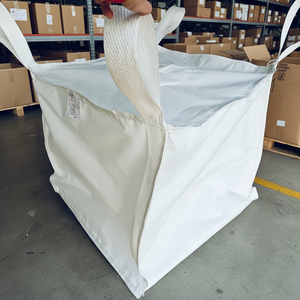
Breakbulk cargo refers to oversized items loaded directly into a ship's hold or on deck individually (e.g., steel coils, jumbo bags, large turbines) rather than inside standard containers. OOG (Out of Gauge) cargo utilizes open-top or flat-rack containers but exceeds standard dimensions. Ro-Ro (Roll-on/Roll-off) is specifically designed for wheeled or self-propelled machinery driven directly on and off specialized vessels via ramps.
Breakbulk terminal charges (THC/Quay dues) at Antwerp depend on cargo weight, volume ratio (w/m - weight or measurement), lifting requirements (standard vessel crane vs. floating sheerleg crane), and dwell time on the quay. Custom heavy-lift terminal agreements negotiated beforehand help avoid unexpected demurrage and storage penalties.
In Belgium, transport exceeding standard weight (44 metric tons) or dimensions requires a Exceptional Transport Permit issued by the Flemish (Agentschap Wegen en Verkeer) or Walloon (SPW) transport authorities. Route surveys, bridge load analyses, and mandatory police escorts must be arranged at least 2 to 4 weeks prior to vessel discharge.
Yes. Under DDP terms, our comprehensive logistics framework manages Chinese port loading, ocean chartering, marine insurance, Belgian customs import declaration via PLDA, payment of EU tariffs/VAT, and final inland transport directly to your project site or warehouse in Belgium.
All corrosion-sensitive breakbulk machinery is wrapped in heavy-duty VCI (Vapor Corrosion Inhibitor) shrink-wrap or heat-sealed aluminum foil barrier bags prior to loading. Below-deck stowage is prioritized whenever available, and on-deck stowage utilizes marine-grade tarpaulins and continuous moisture control checking.
Marine surveyors (such as RINA, DNV, or SGS) require a detailed Technical Lifting & Lashing Plan, Center of Gravity (CoG) certificates, packing lists with exact structural point-load drawings, and Solas VGM (Verified Gross Mass) documentation before granting approval for ocean voyage lashing clearance.
Speak directly with our project cargo engineers and FMC-licensed chartering team for custom stowage plans, rate quotes, and door-to-door transport solutions tailored to your operational timeline.